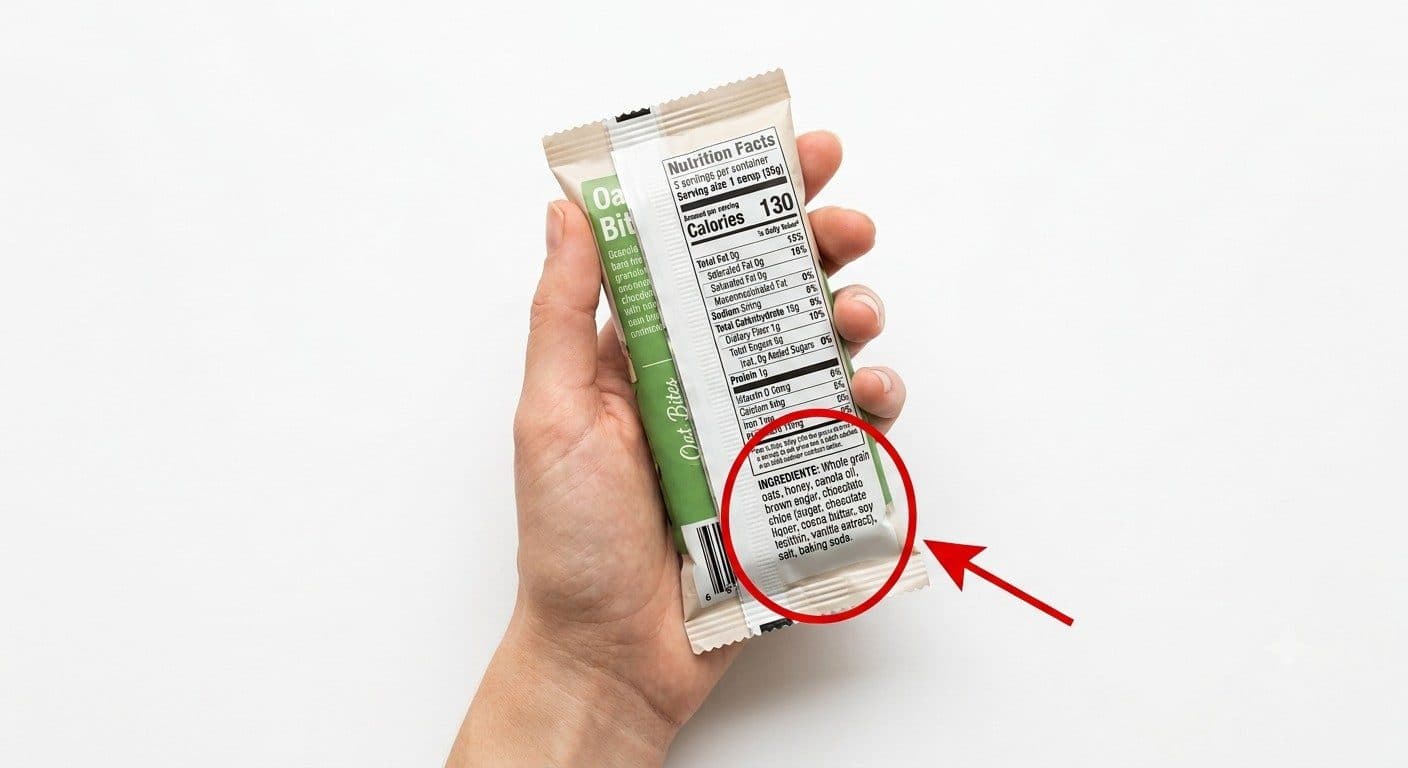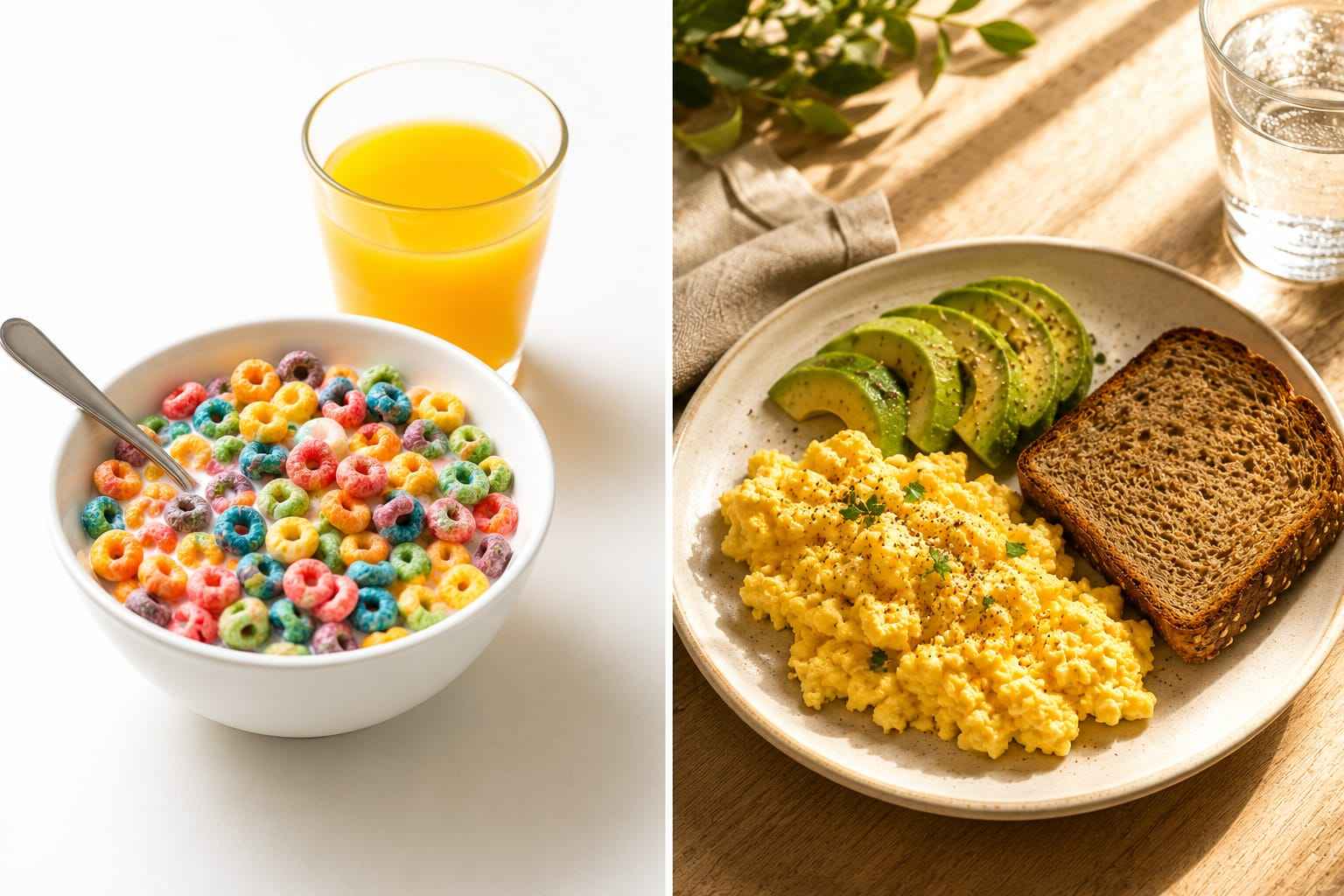
Most people think breakfast is simple. Eat something — anything — and get on with your day. But here's what few people realise: the first thing you eat in the morning sets the tone for the next 12 hours. It affects your energy levels, your ability to focus, your hunger cues, and even your mood. And for millions of people, breakfast is quietly working against them. Let's break down what's going wrong — and what to eat instead.
The Problem: You're Eating a Blood Sugar Spike for Breakfast
The most common breakfast foods in the world are also the ones most likely to crash your energy by mid-morning. The usual suspects:
- Sweetened cereals or granola
- White toast with jam or honey
- Packaged muffins, croissants, or pastries
- Fruit juice (yes, even 100% "natural" juice)
- Flavoured yoghurts with added sugar
These foods are high in simple carbohydrates and low in protein, fat, and fibre. They cause a rapid rise in blood sugar — which gives you a brief burst of energy — followed by a sharp drop that leaves you feeling tired, unfocused, and hungry again within 90 minutes. Sound familiar? This cycle of spike and crash is one of the most overlooked reasons people struggle with afternoon energy slumps, constant snacking, and difficulty concentrating.
What Happens to Your Body After a High-Sugar Breakfast
Here's the science in simple terms:
- You eat a high-carb breakfast. Blood glucose rises quickly.
- Your pancreas releases insulin to bring blood sugar back down.
- Blood sugar drops — sometimes below your pre-breakfast level.
- Your brain interprets this as an energy emergency and triggers hunger, cravings, and fatigue.
- You reach for another snack — usually something sweet or starchy — and the cycle repeats.
By the time lunch arrives, you've already ridden two or three blood sugar rollercoasters. Your focus is fractured, your willpower is depleted, and you've consumed more calories than you intended.
What a Good Breakfast Actually Does
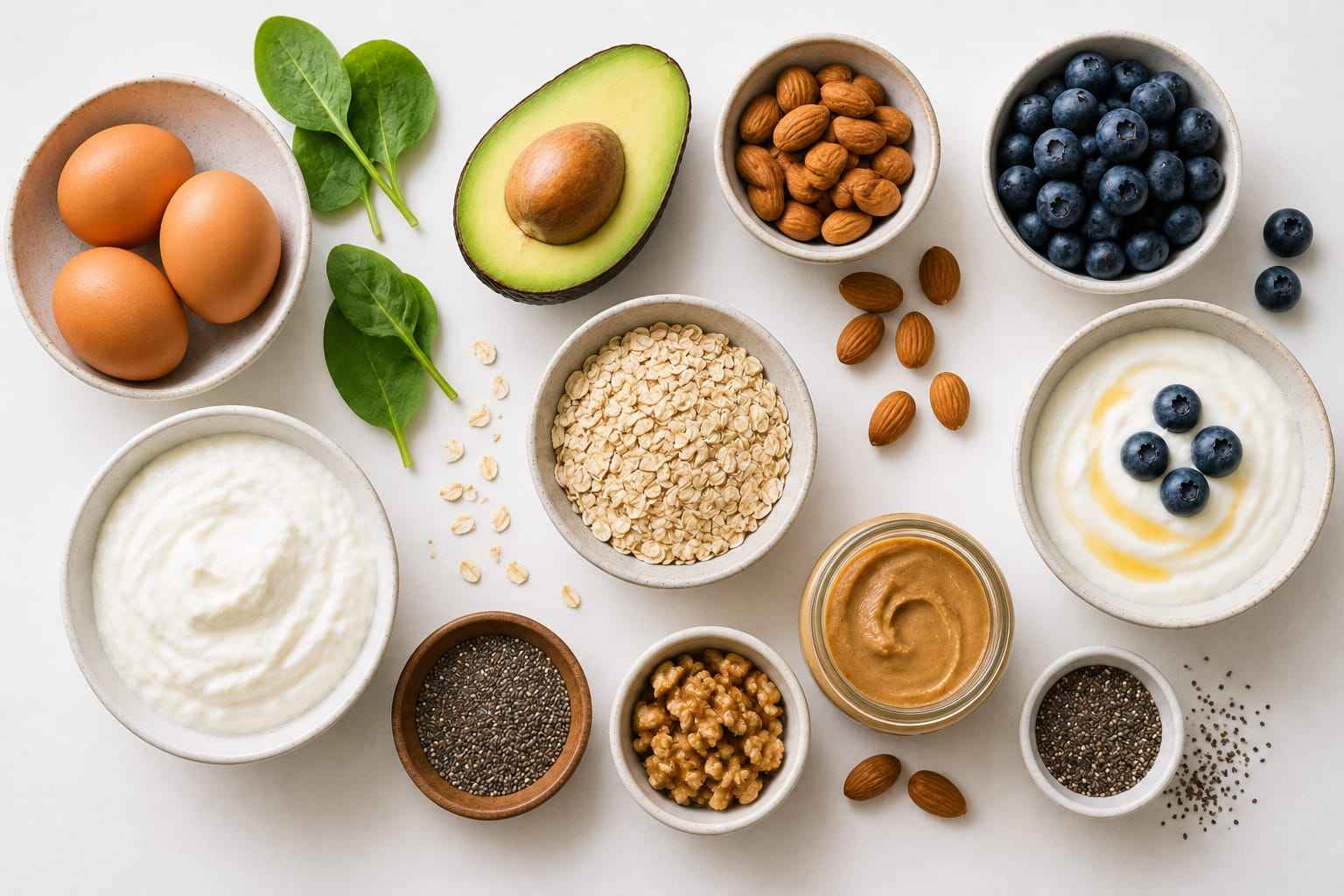
- Slows the release of glucose into your bloodstream (no spike, no crash)
- Keeps you full for longer so you're not snacking before noon
- Feeds your brain with the nutrients it needs for concentration and clarity
What to Eat Instead: 5 Breakfast Options That Actually Work
1. Eggs (Any Style) with Vegetables

Add a handful of spinach, cherry tomatoes, or leftover vegetables and you've got a meal that will keep you full and focused for hours. Scrambled, boiled, poached, or in an omelette — the format doesn't matter, the nutrients do. Why it works: High protein + healthy fat + fibre from veg = slow, steady energy release.
2. Greek Yoghurt with Nuts and Berries (Unsweetened)
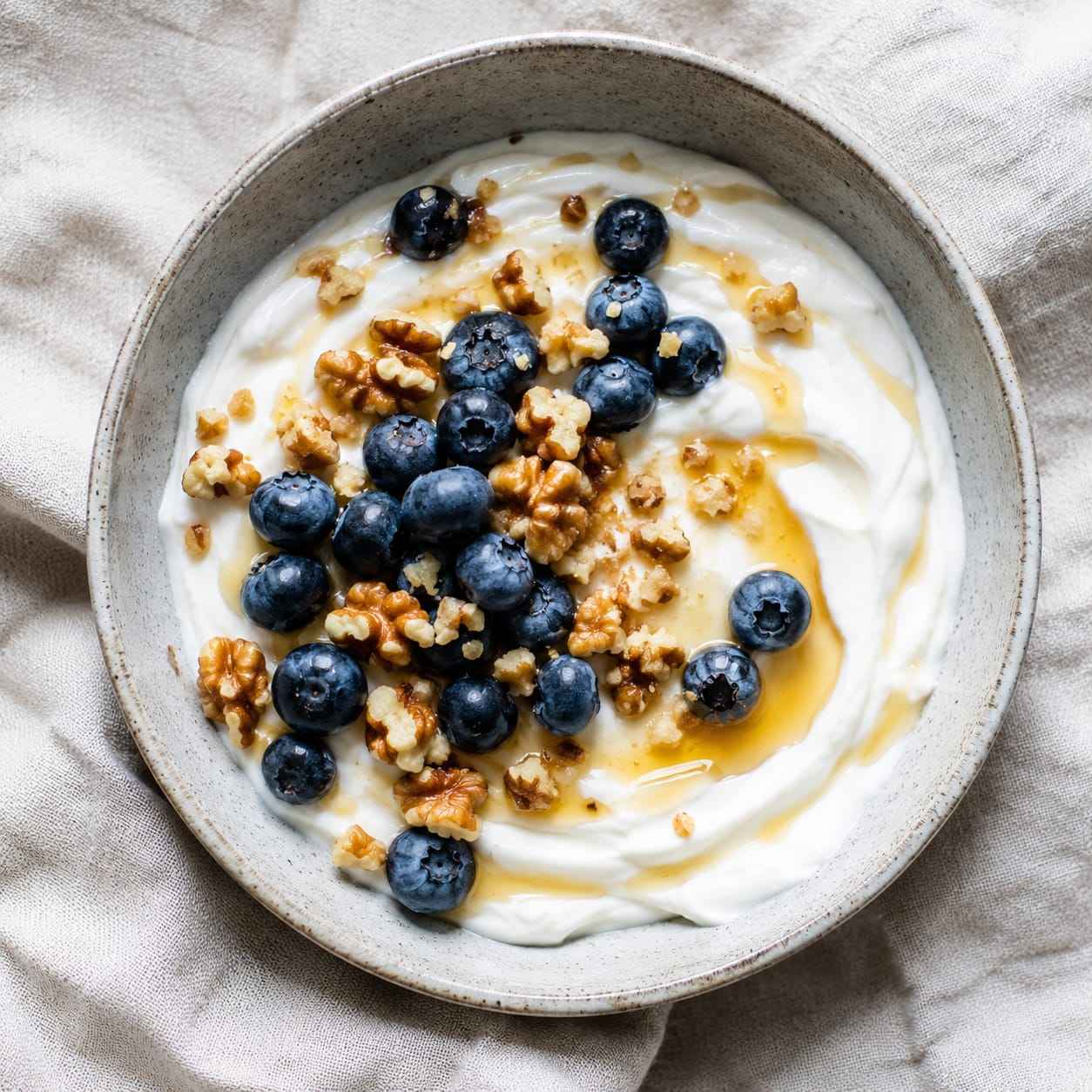
Full-fat, unsweetened Greek yoghurt is high in protein and probiotics. Add a small handful of walnuts or almonds for healthy fat, and a few berries for natural sweetness and antioxidants. Avoid flavoured or low-fat yoghurts — they're typically high in added sugar and lack the satiating fat that keeps you full. Why it works: Protein-rich, gut-friendly, and naturally sweet without the blood sugar spike.
3. Oats (The Right Way)
Oats get a lot of credit as a healthy breakfast — and they can be — but the preparation matters enormously. Skip: Instant oats with flavour packets (loaded with sugar) Choose: Rolled oats or steel-cut oats, cooked with water or milk, topped with nut butter, seeds, and a small amount of fruit. Adding a tablespoon of peanut butter or almond butter increases the protein and fat content significantly, transforming oats from a moderate-glycaemic food into a genuinely sustaining meal. Why it works: Soluble fibre in oats slows digestion; added fat and protein stabilise blood sugar.
4. Whole Grain Toast with Avocado and Eggs
If you love toast in the morning, the fix is simple: switch to genuine whole grain or sourdough bread (not just "brown" bread — check the label), and top it with something that adds protein and fat. Avocado on toast with a poached or fried egg on top is one of the most balanced, satisfying breakfasts you can make in under 10 minutes. The healthy fats in avocado, combined with the protein from the egg, slow the digestion of carbohydrates in the bread. Why it works: The addition of fat and protein turns a moderate-carb meal into a slow-burning one.
5. A Protein-Based Smoothie
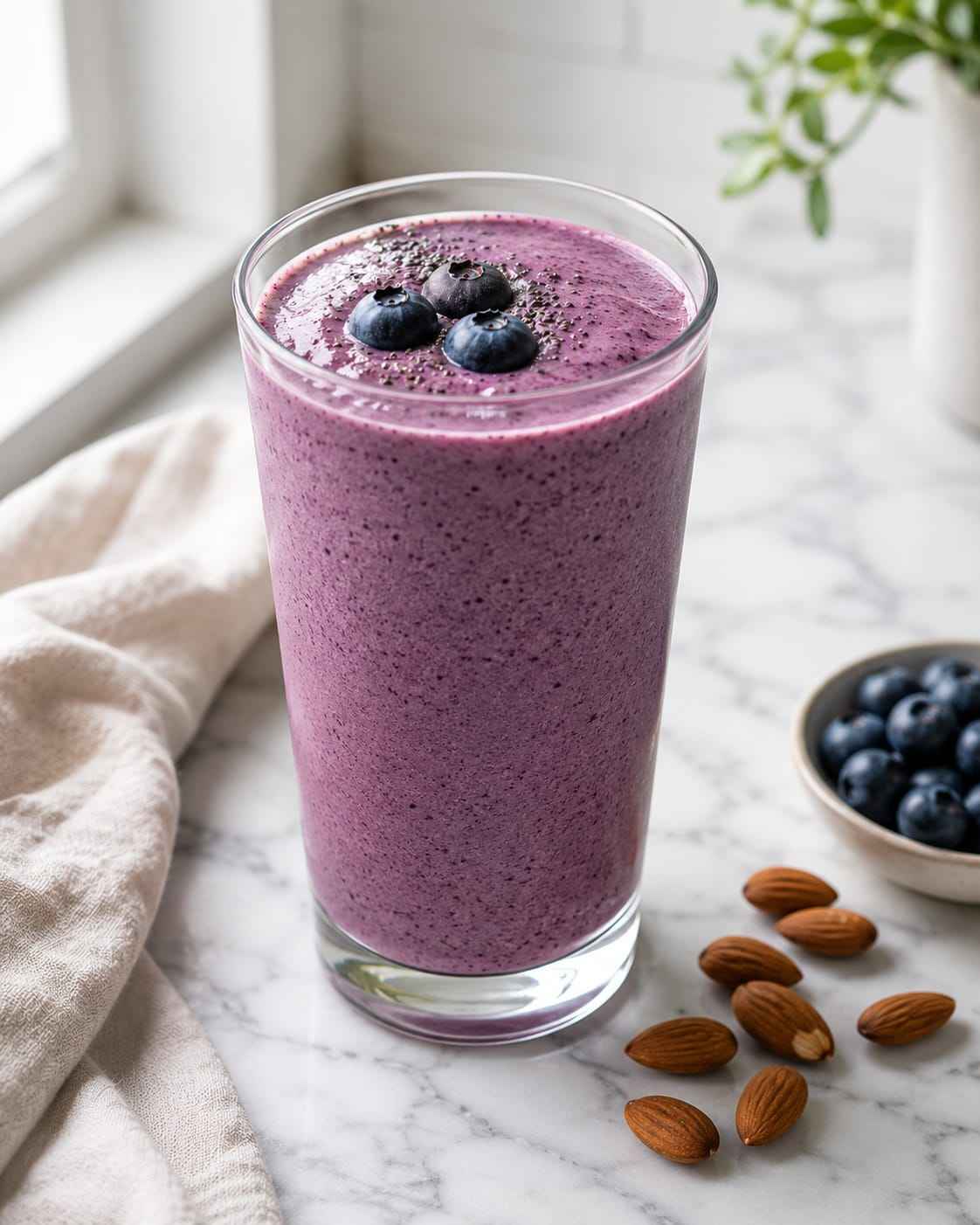
Smoothies can go either way — a fruit-only smoothie is essentially liquid sugar. But a well-constructed smoothie can be an excellent breakfast. A formula that works: Unsweetened almond or oat milk (base) 1 scoop of protein powder or 2 tbsp of Greek yoghurt (protein) 1 tbsp nut butter (healthy fat) A small handful of berries or half a banana (fibre and natural sweetness) Optional: spinach, chia seeds, or flaxseeds Blend and consume. This takes less than 5 minutes and provides a nutritionally complete meal that stabilises blood sugar for hours. Why it works: Protein + fat + fibre in liquid form — still slow to digest when balanced correctly.
One Simple Rule to Remember
If you take nothing else from this article, remember this: Every breakfast should contain protein. Protein is the single most powerful lever for blood sugar stability, satiety, and sustained energy. Whether it's eggs, Greek yoghurt, nuts, or a protein shake, making sure protein is present at your first meal will change how you feel for the rest of the day — consistently.
What About Skipping Breakfast?
Intermittent fasting is a legitimate and popular approach, and for some people, skipping breakfast works well. If you're not hungry in the morning and your energy is stable, there's no obligation to eat. The problem is when people skip breakfast and then reach for a coffee and a croissant at 10am — that's the worst of both worlds. If you're going to skip, skip properly. If you're going to eat, eat smart.
The Bottom Line
Your breakfast is either working for you or against you. The good news is the fix is straightforward — swap simple carbs for a combination of protein, healthy fat, and fibre, and you'll notice the difference within days. More energy. Better focus. Less snacking. A calmer, more consistent afternoon. It starts with the first meal of the day.
“Disclaimer: This content was created with AI assistance and reviewed before publication. It is for informational purposes only and not professional medical, nutritional, legal, or financial advice.”