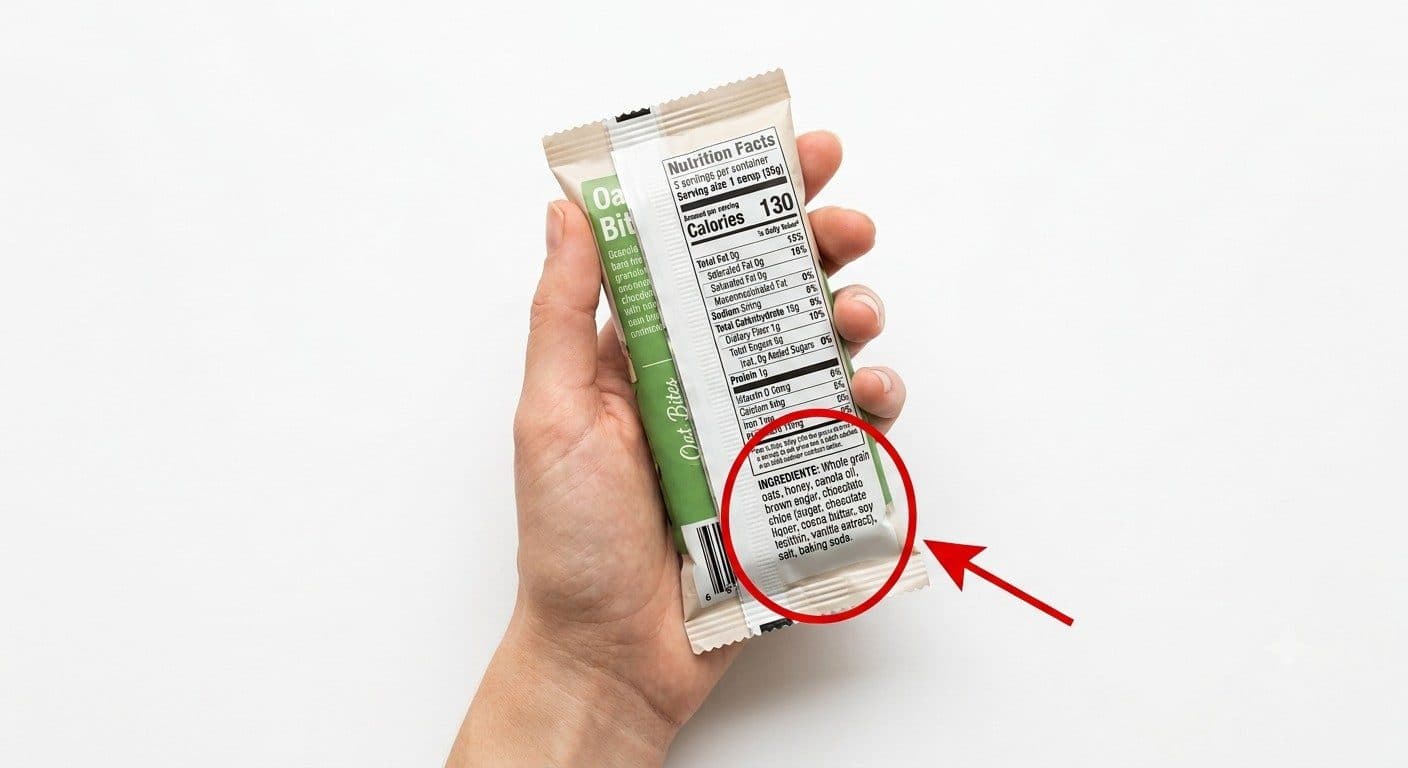
Most parents think carefully about what their children eat. They read ingredient labels. They limit processed food. They're selective about what goes into their child's body because they understand that children are more vulnerable to what they consume than adults are. Very few parents apply the same thinking to what their children wear. This is understandable — the connection between clothing and health is less obvious than the connection between food and health. But the relationship is real. Children's skin is biologically different from adult skin in ways that make fabric choice significantly more important for them than for adults.
Why Children's Skin Is Different
- Thinner barrier. A child's skin — particularly in infants and young children up to age 5 — has a thinner stratum corneum (the outermost protective layer of skin) than adult skin. This barrier is less effective at preventing the absorption of substances applied to or in contact with the skin's surface.
- Higher absorption rate. Due to the thinner barrier and a higher ratio of surface area to body weight, children absorb substances through the skin at a significantly higher rate than adults. A substance that produces minimal absorption in an adult may produce substantially higher absorption in a child wearing the same material.
- Higher sensitivity. Children have a higher rate of contact dermatitis — allergic and irritant reactions to materials in contact with the skin — than adults. The immune system is still developing, and the skin's regulatory responses are less mature.
- Temperature regulation. Children's bodies are less efficient at regulating temperature than adult bodies. They heat up faster in warm conditions and cool down faster in cold ones. Fabric that impairs the body's natural temperature regulation — by trapping heat or preventing moisture evaporation — has a more pronounced effect on a child than on an adult.
What Synthetic Fabric Does to Children's Skin
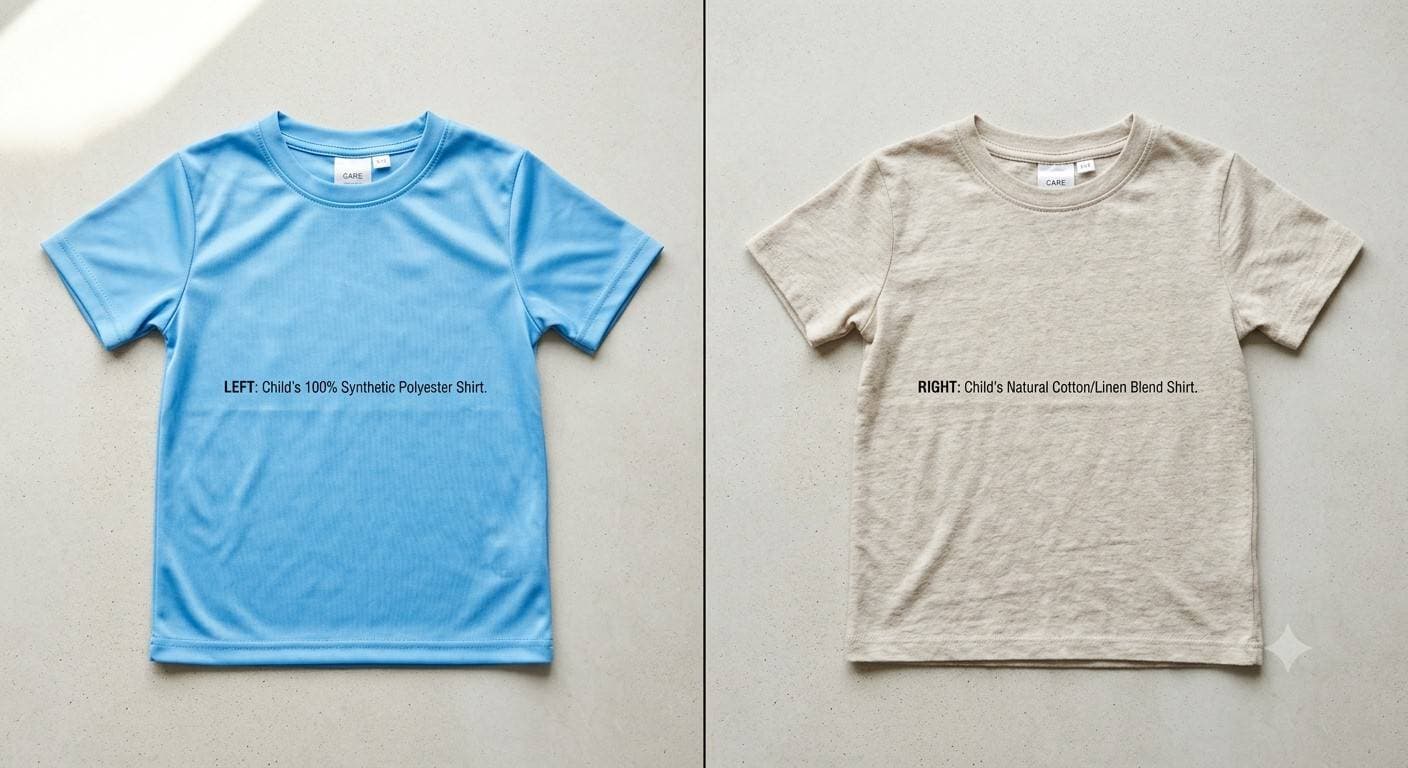
Synthetic fabrics — polyester, nylon, acrylic, and their blends — are plastic-based materials. They have several properties that are particularly problematic for children's skin.
- They don't breathe. Synthetic fibres prevent airflow between the skin and the environment. In warm conditions, this traps heat and moisture against the skin — a particular problem for children, whose temperature regulation is already less efficient. The result is overheating, sweat rash, and discomfort that young children often cannot articulate but express through irritability and restlessness.
- They hold moisture. Synthetic fabrics absorb sweat poorly and hold it against the skin rather than wicking it away. Prolonged moisture contact is the primary cause of nappy rash in infants, heat rash in toddlers, and skin irritation in older children who sweat during physical activity.
- Chemical treatments. Most synthetic and many blended fabrics are treated during manufacturing with chemicals including formaldehyde resins (for wrinkle resistance), flame retardants, antimicrobial agents, and optical brighteners. These treatments remain in the fabric through multiple washes and are in constant contact with children's skin. Given children's higher skin absorption rates, this represents a meaningful and often overlooked chemical exposure.
- Microplastics. Synthetic fabrics shed microplastic fibres with every wear and wash. These are increasingly found in human tissue samples, with children showing higher concentrations than adults due to greater absorption rates and more active physical behaviour that generates more friction with clothing
What Natural Fabric Does Instead
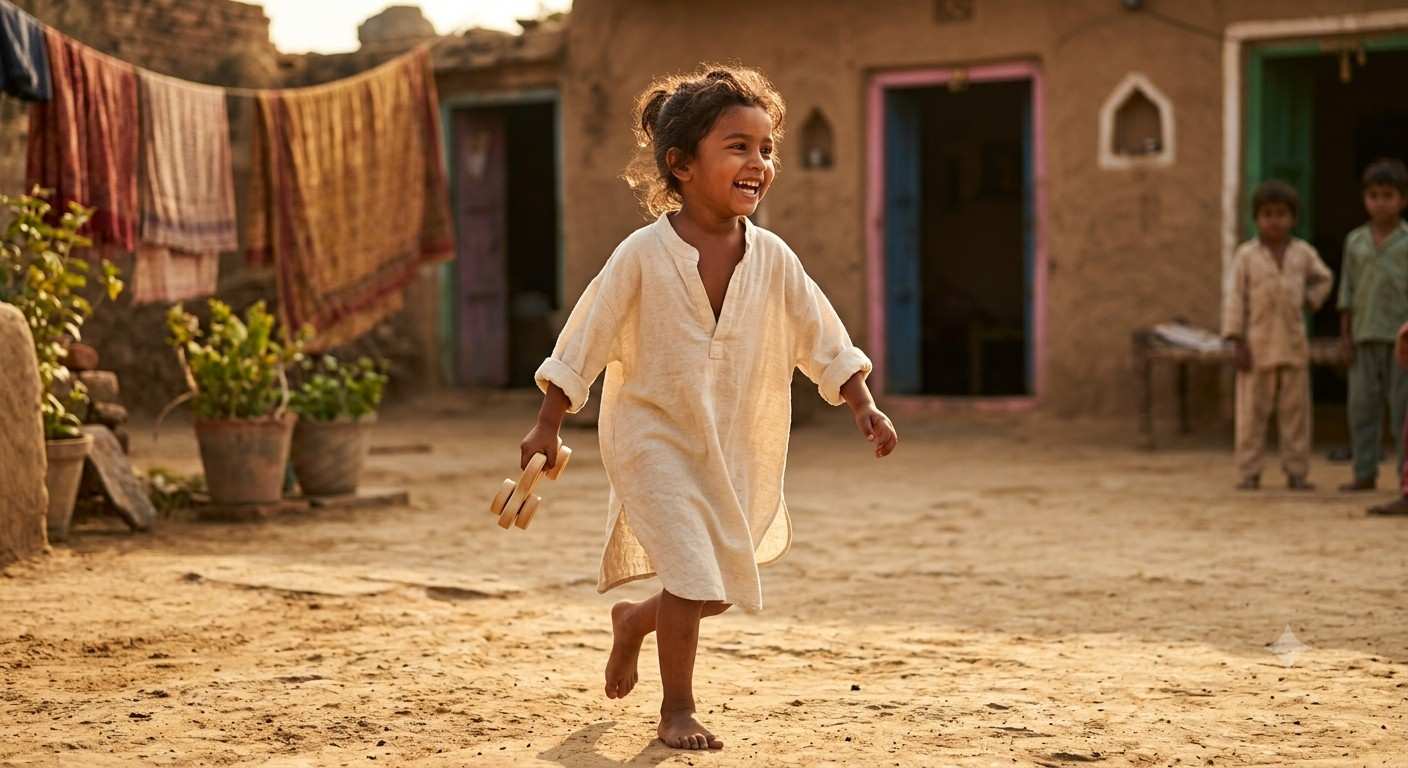
Cotton is soft and gentle from the first wear, making it well-suited to sensitive infant and toddler skin. It absorbs moisture effectively, reducing the risk of heat and sweat rash. It breathes well enough for mild and moderate temperatures. For India's climate, lightweight cotton is the most accessible and practical natural fabric for everyday children's wear. Linen is highly breathable and moisture-wicking — properties that make it excellent for warm weather. For older children who are more active and generate more body heat, linen provides superior comfort in India's summer climate compared to any synthetic alternative. It softens with washing, becoming more comfortable with wear rather than degrading. Hemp is naturally antimicrobial — it inhibits the growth of bacteria and fungi on the fabric surface without any chemical treatment. This property makes it particularly valuable for children's clothing. It is also the most durable natural fibre, meaning it withstands the physical demands that children place on their clothes — running, climbing, crawling, washing — better than cotton or linen. Hemp-cotton blends combine hemp's durability and antimicrobial properties with cotton's immediate softness — an ideal combination for children's everyday wear. All natural fabrics are free from the chemical treatments applied to synthetics, and all biodegrade safely at the end of their life rather than persisting as microplastic pollution.
The Practical Difference for Indian Families
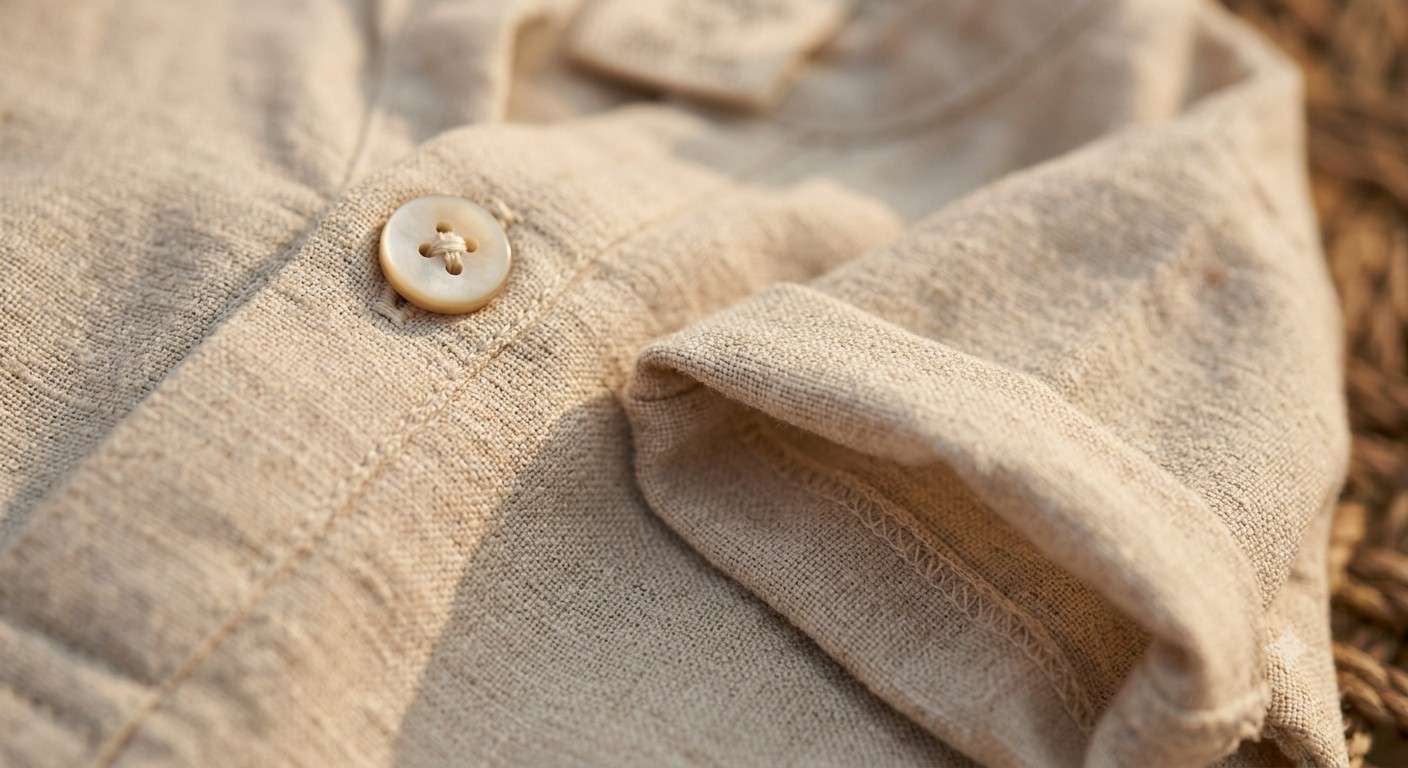
Summer: In temperatures above 35°C, a child in a synthetic fabric shirt is wearing a heat trap. The fabric prevents evaporation of sweat, raises skin temperature, and makes the child significantly more uncomfortable than their environment requires. A loose cotton or linen shirt in the same conditions allows the body's natural cooling system to function, reducing overheating and the irritability it produces. School and activity: Children spend hours in physical activity — running, playing, moving constantly. Synthetic activewear traps sweat against the skin. Natural fabric — particularly cotton and hemp blends — wicks moisture away and allows airflow. The child is more comfortable, less prone to skin irritation, and able to move freely. Sleep: The skin absorbs more during sleep than during waking hours due to increased blood flow to the skin's surface. Night clothes in natural fabric reduce chemical exposure during this period. Natural fabric also temperature-regulates better through the night, contributing to more comfortable and uninterrupted sleep.
What to Look for When Buying Children's Clothing
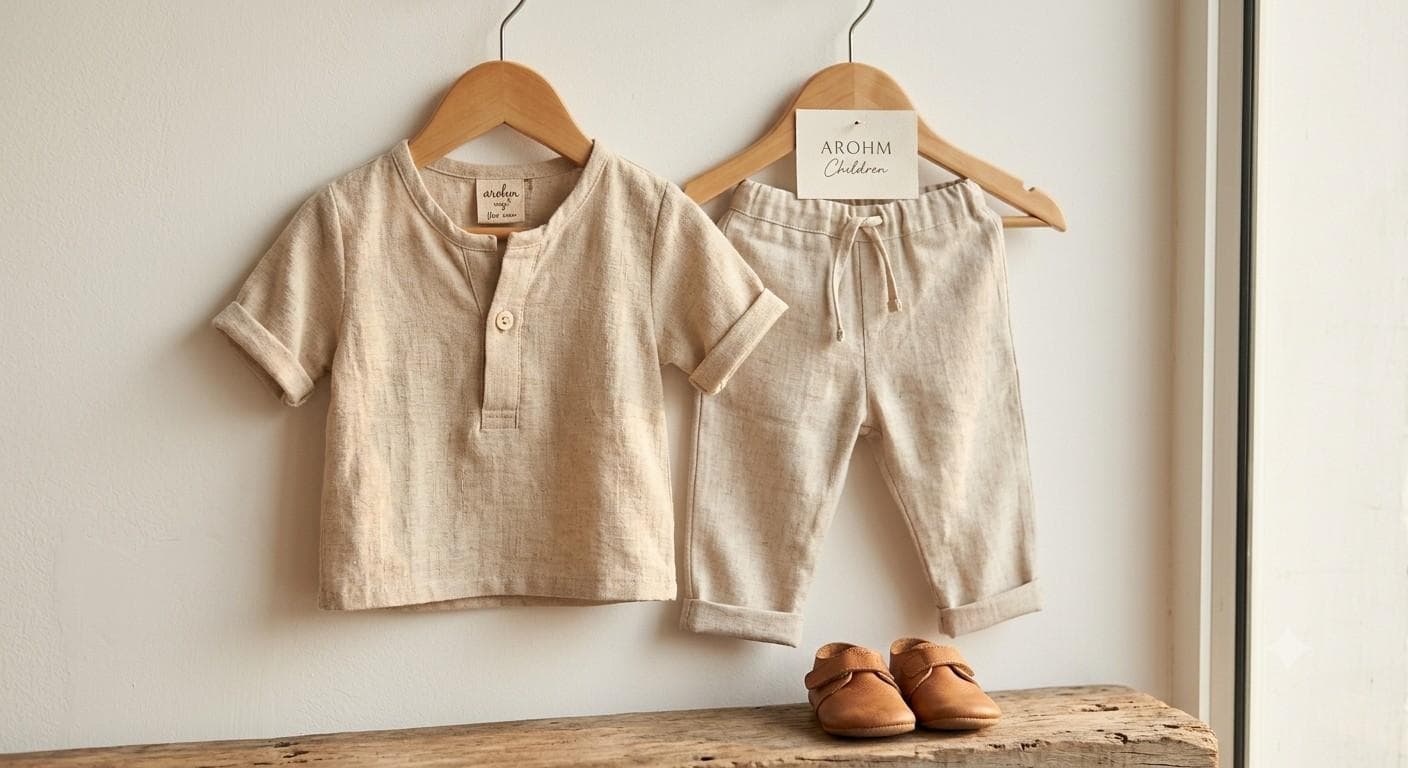
Check the label first. 100% cotton, 100% linen, 100% hemp, or natural blends (cotton-linen, hemp-cotton) are what you're looking for. Avoid polyester, nylon, acrylic, and rayon unless there's a specific functional reason for them. Avoid excessive chemical finishes. "Wrinkle-free," "stain-resistant," "easy-care," and "antimicrobial" treatments on children's clothing typically indicate chemical finishing agents. For everyday clothing, these treatments serve convenience more than health. Undyed or naturally dyed where possible. Synthetic dyes particularly azo dyes can release chemicals that are absorbed through skin contact. Undyed natural fabrics or those coloured with natural dyes are gentler on sensitive skin. Fit for movement. Natural fabric clothing for children should be relaxed and generous enough for free movement. A linen or cotton garment that's too fitted restricts movement and increases friction against the skin defeating some of the fabric's benefits. Durability is a feature, not a luxury. Natural fabric children's clothing, particularly hemp and cotton, outlasts synthetic alternatives through the intensive washing, wearing, and general treatment that children provide. A slightly more expensive natural fabric garment worn for two years is cheaper per day than a synthetic garment replaced every six months.
“Disclaimer: This content was created with AI assistance and reviewed before publication. It is for informational purposes only and not professional medical, nutritional, legal, or financial advice”