1. The Stitching
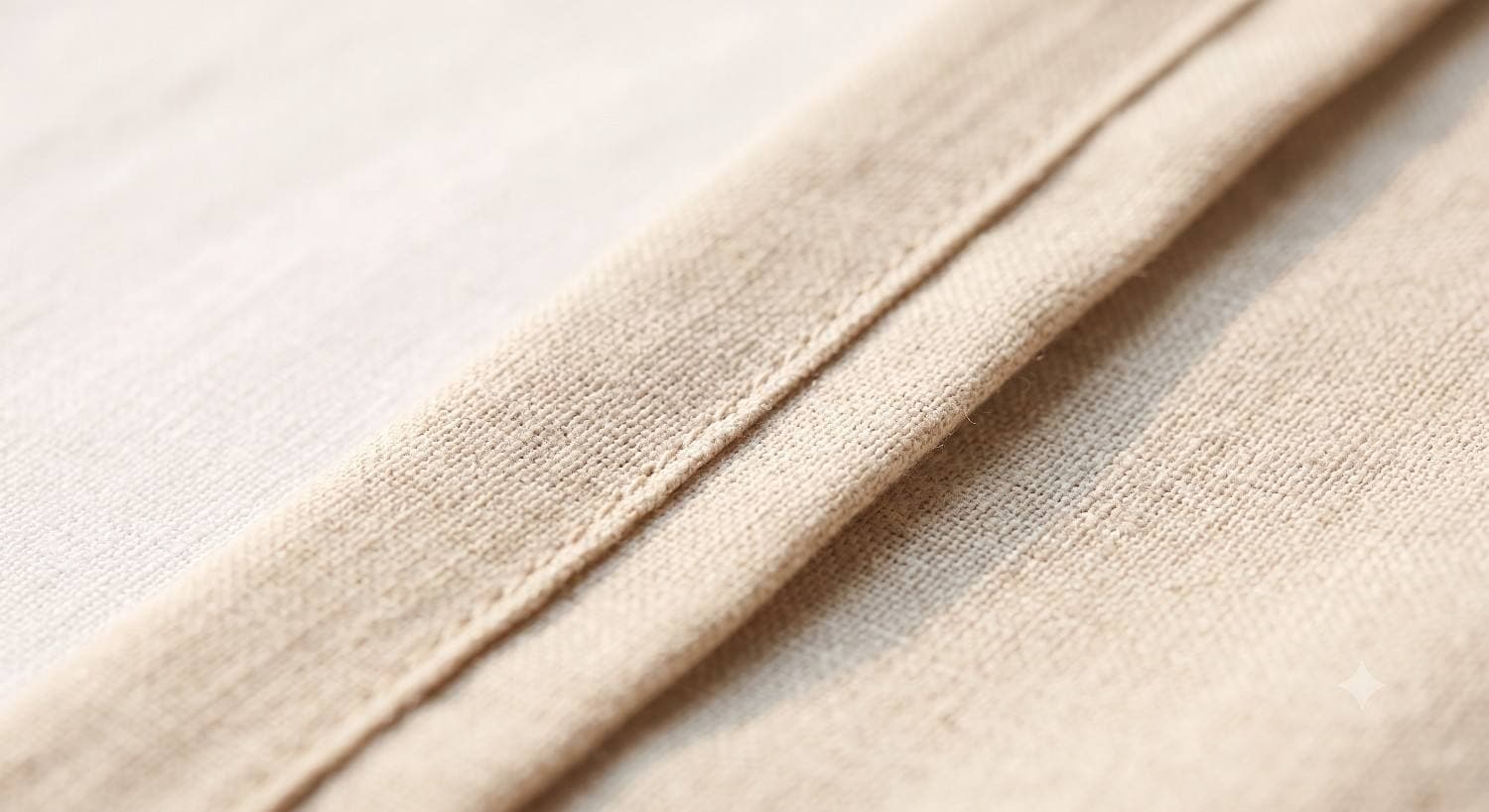
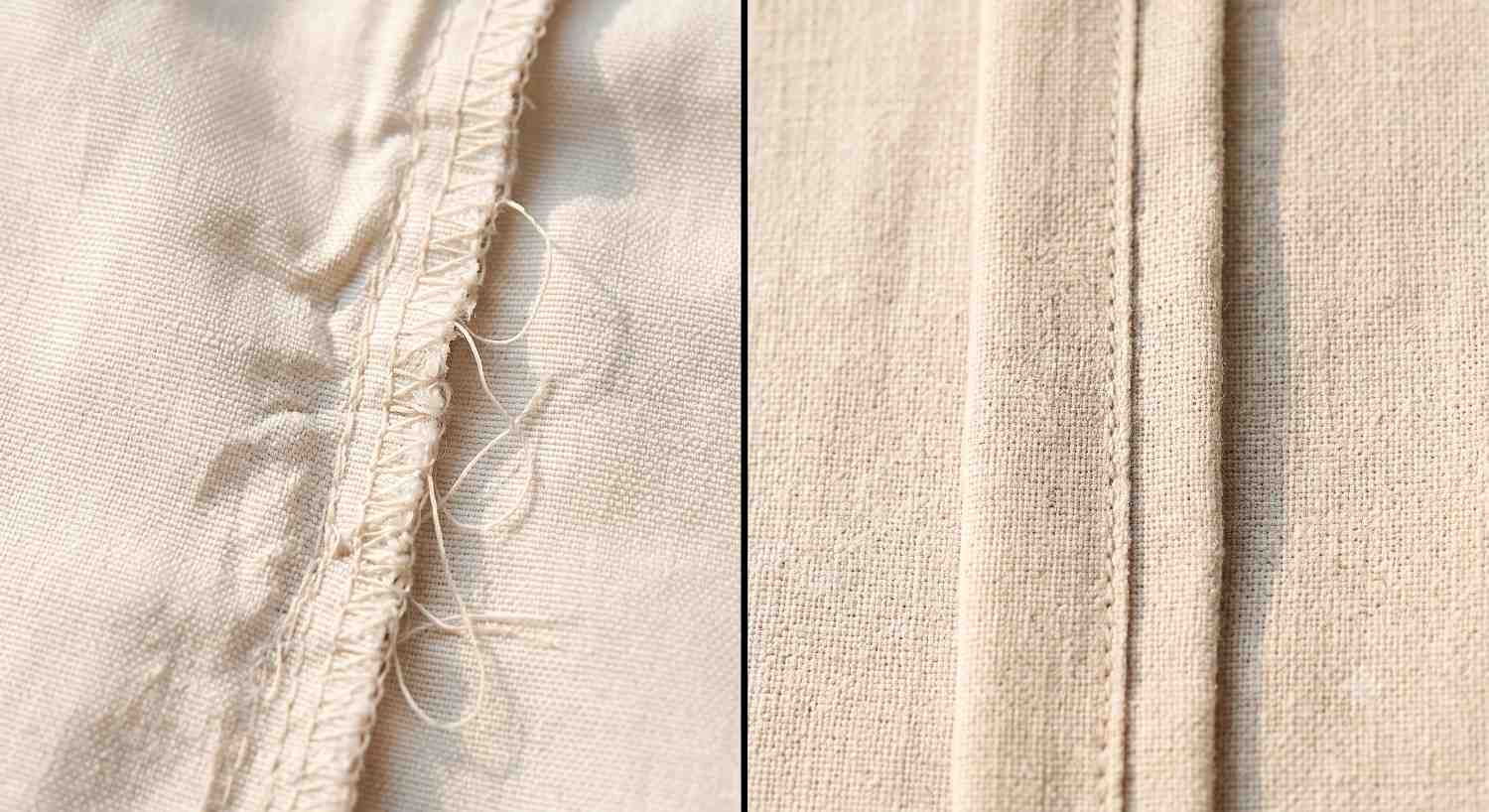
Turn the garment inside out. Look at the seams. Good quality stitching is tight, even, and consistent. The stitches are small and close together - typically 8 to 12 stitches per inch. The thread lies flat against the fabric without puckering. Seam allowances — the amount of fabric beyond the stitching giving the garment room to be taken in or let out — are generous, at least 1.5 to 2cm.
Poor quality stitching is loose, uneven, or widely spaced. The thread may already be pulling. The seams pucker when the fabric is held up. Seam allowances are minimal — sometimes less than 5mm — meaning there is no room for alteration and the seam will fray quickly.
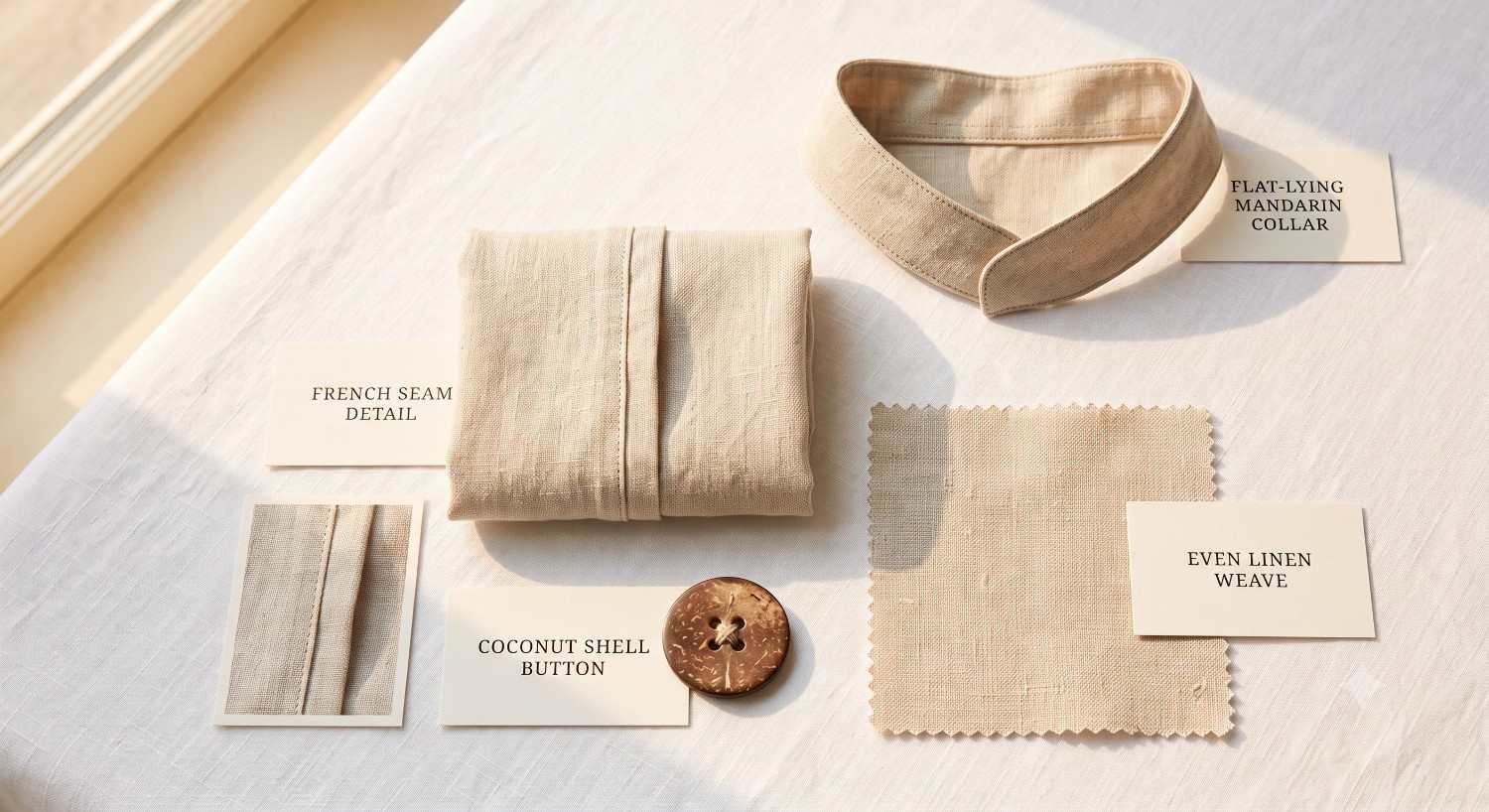
The specific seam to look for: A French seam where the raw edge of the fabric is fully enclosed within the seam is the mark of quality construction. It eliminates fraying entirely and produces a clean, durable seam. If you see a French seam, the maker cared about the inside of the garment as much as the outside.
2. The Fabric
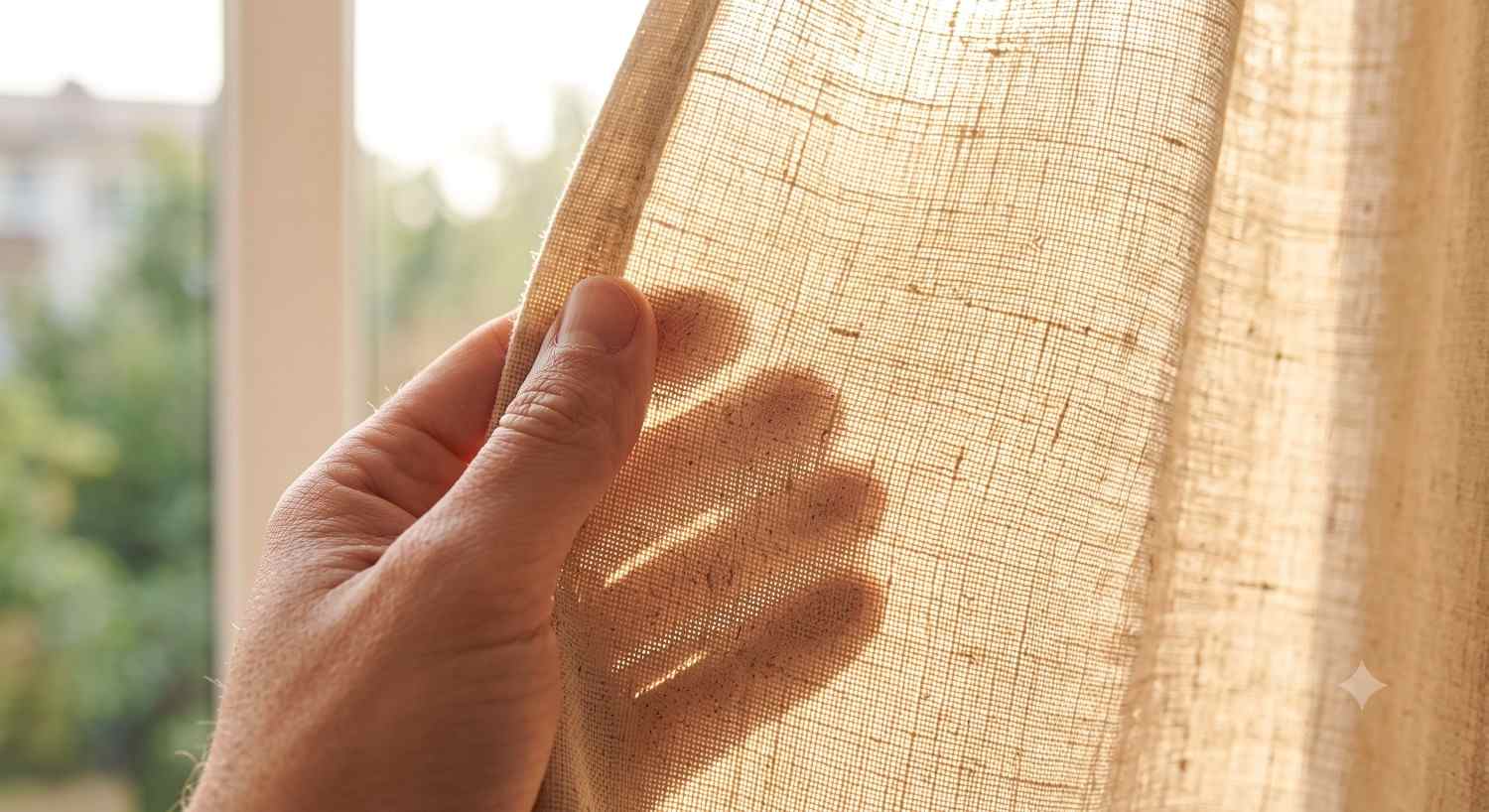
The fabric tells you almost everything. Hold it up to light. Quality natural fabric has a visible, consistent weave — you can see the structure. Synthetic fabric looks uniform and slightly plastic, with less depth.
Feel the weight. Quality fabric has substance - not heavy, but present. Very light, flimsy fabric — unless it's intentionally fine — often indicates low thread count or poor fibre quality.
Scrunch it in your hand and release. Natural fabric — cotton, linen, hemp — will crease. This is not a flaw; it's a property. But quality natural fabric springs back partially and drapes naturally. Poor synthetic fabric either doesn't crease at all (plastic-like) or creases sharply and stays (low-quality blends).
Check the weave for evenness. Quality fabric has a consistent, even weave. Irregularities — thin patches, inconsistent thread density, visible flaws — indicate poor quality yarn or weaving.
3. The Buttons and Fastenings
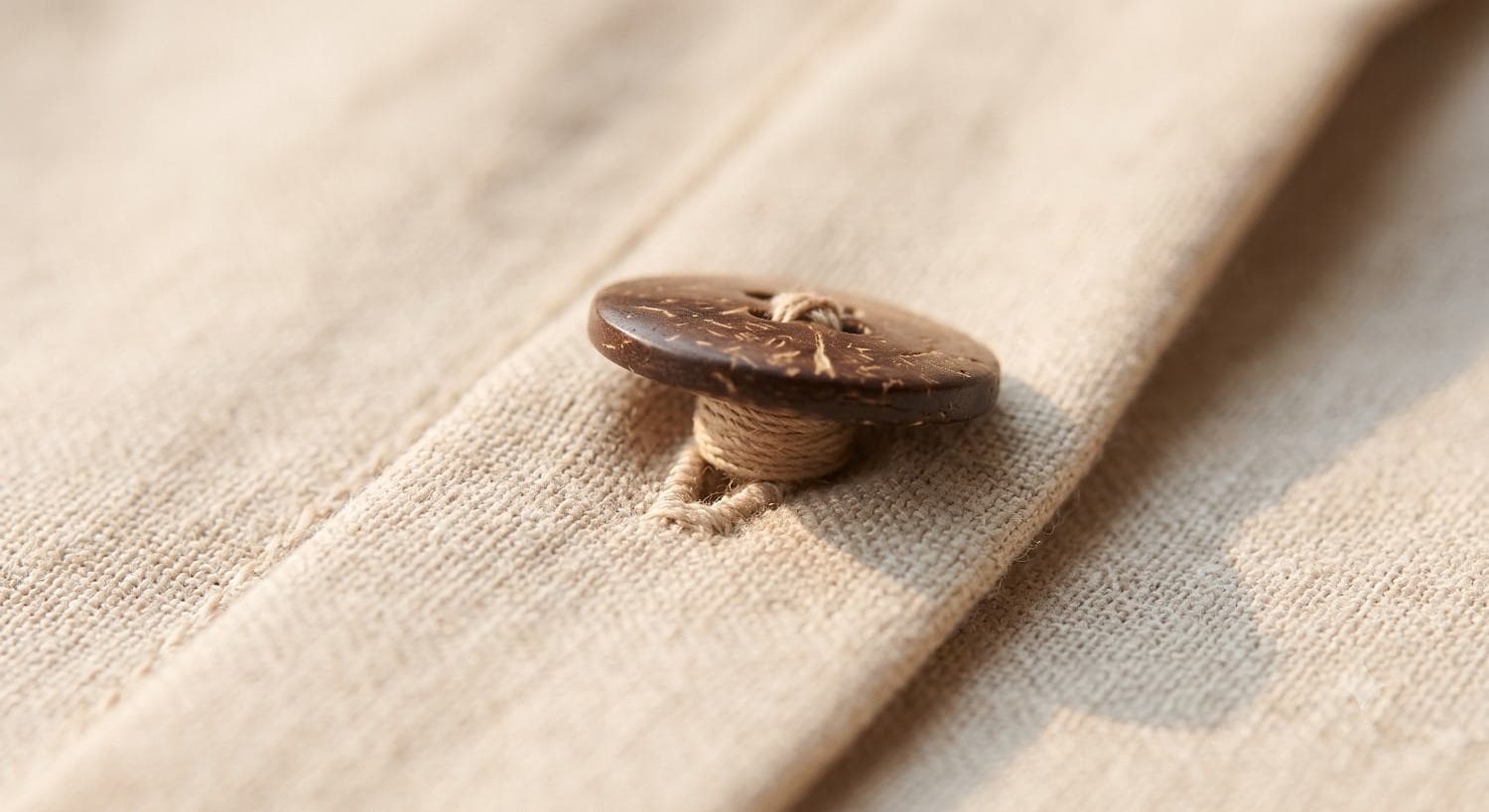
Good quality shirts use buttons made from natural materials - mother of pearl, corozo nut (vegetable ivory), or coconut shell. These have a slight irregularity and depth of colour that plastic buttons lack. They feel substantial and cool to the touch. Plastic buttons are lighter, often perfectly uniform (machine-made), and may have a slight shine that natural buttons don't.
Check the button attachment. Quality buttons are attached with a thread shank — a small loop of thread between the button and the fabric that allows the button to sit properly when fastened through a buttonhole. Buttons sewn flat against the fabric without a shank will pull and stress the fabric over time.
Check the buttonholes. Quality buttonholes are clean, tight, and finished. The stitching around them is dense and even. Poor quality buttonholes fray quickly at the edges.
4. The Collar and Cuffs
These are the areas of a shirt that receive the most stress and reveal the most about construction quality.The collar should lie flat. Press it down and let go - it should return to a flat, even position. A collar that doesn't lie flat is either poorly constructed or poorly fused (the internal interfacing that gives the collar structure is misaligned or poor quality).
Check for collar stays or support. Quality dress shirts have small inserts in the collar points that prevent them from curling. Their absence isn't necessarily a quality indicator for casual shirts, but their presence in a formal shirt indicates attention to detail.
The cuffs should be symmetrical. Hold both cuffs together — they should match in size and shape. Asymmetrical cuffs indicate poor cutting or sewing.
5. The Pattern Matching
On patterned fabric — stripes, checks, or any print — pattern matching is one of the clearest indicators of quality. At a quality garment, the pattern continues seamlessly across seams — the stripe on the front continues at the same level across the pocket, the check aligns at the shoulder seam. This requires more careful cutting and costs more to produce. Poor quality patterned garments make no attempt to match patterns across seams — the stripe is cut without reference to where it will sit at the seam. On plain fabric this doesn't apply, but on any patterned natural fabric — and India has extraordinary patterned cloth traditions — pattern matching is worth checking.
6. The Fit and Cut
Check the shoulders. The shoulder seam should sit exactly at the edge of the shoulder — not falling down the arm, not cutting into the shoulder. This is the most important fit point on any upper garment. A shoulder seam that doesn't sit correctly cannot be fixed by tailoring.
Check the shoulders. The shoulder seam should sit exactly at the edge of the shoulder — not falling down the arm, not cutting into the shoulder. This is the most important fit point on any upper garment. A shoulder seam that doesn't sit correctly cannot be fixed by tailoring. Check the back. There should be no pulling across the back when the arms are forward. Quality shirts have a back pleat or extra fabric at the yoke that allows movement without strain.
The Most Important Rule
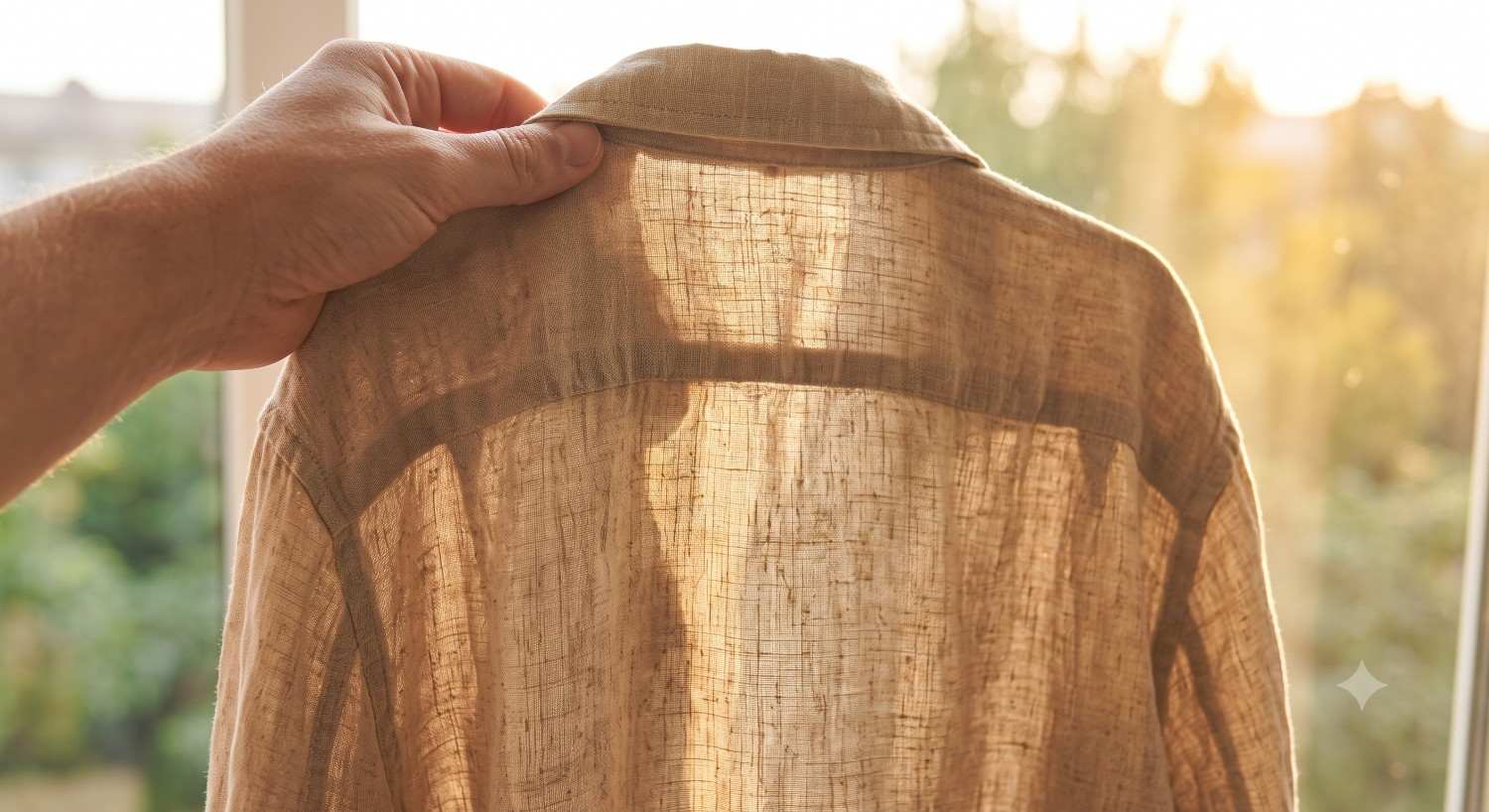
Quality is visible before you buy and more visible after a year of wearing. A well-made natural fabric garment washed and worn 200 times looks better than it did new. The fabric softens. The fit moulds slightly to the body. The garment becomes yours.
A well-made natural fabric garment washed and worn 200 times looks better than it did new. The fabric softens. The fit moulds slightly to the body. The garment becomes yours.
The question to ask before buying is not "does this look good today?" but "will this still look good in three years?" Quality answers that question before you've paid for it if you know where to look.
The question to ask before buying is not "does this look good today?" but "will this still look good in three years?" Quality answers that question before you've paid for it if you know where to look.
“Disclaimer: This content was created with AI assistance and reviewed before publication. It is for informational purposes only and not professional medical, nutritional, legal, or financial advice”