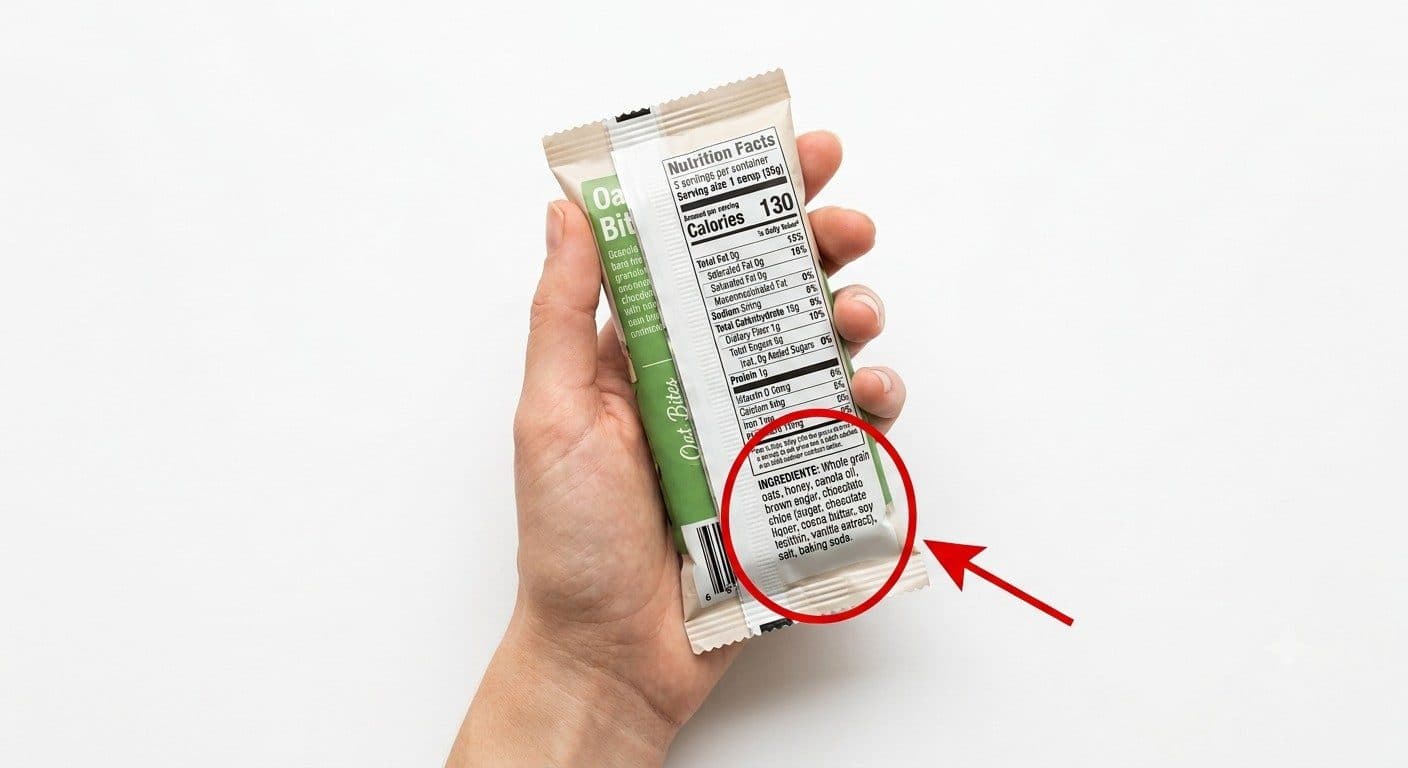
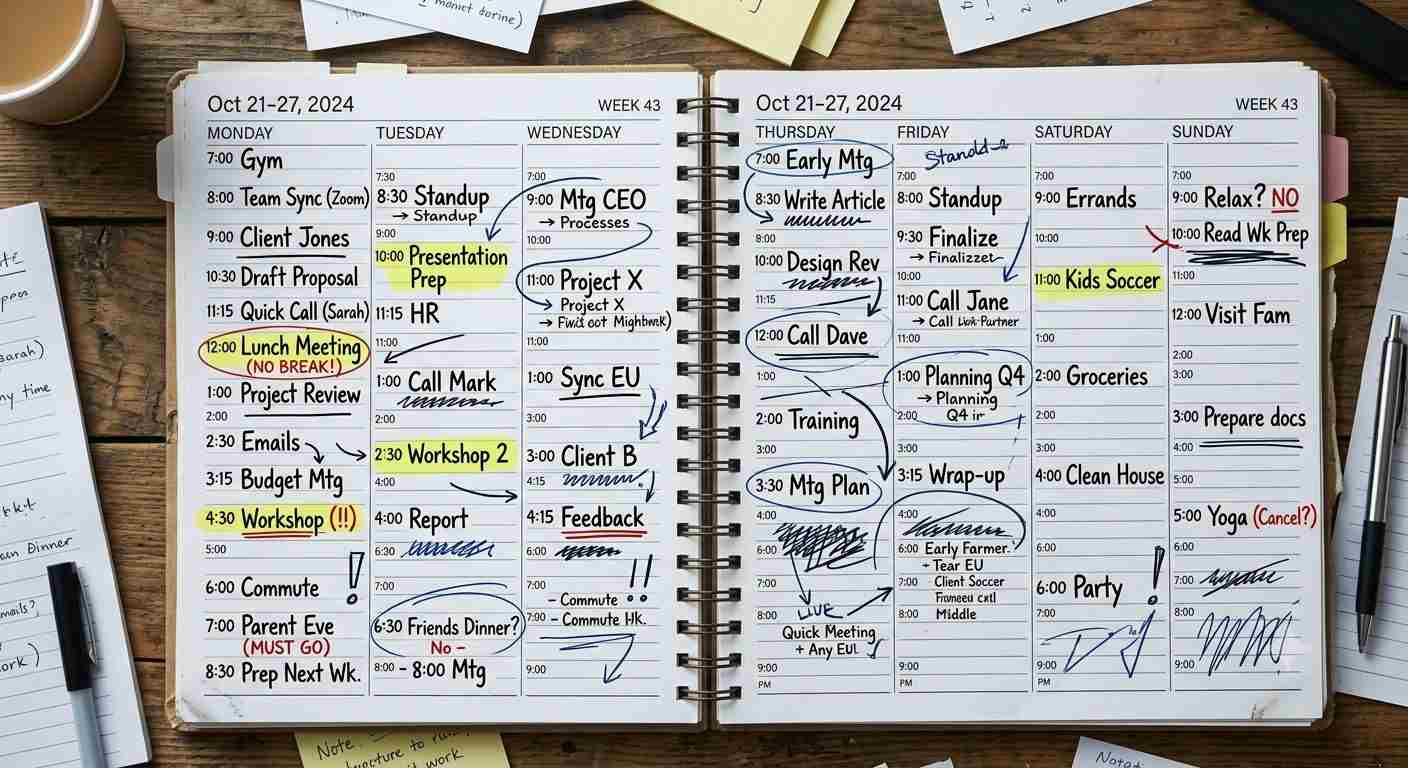
There is a version of productivity that looks like saying yes to everything — every request, every opportunity, every obligation that presents itself. Being responsive, being helpful, being available. This version feels virtuous. It also quietly destroys the ability to do anything with depth.
Every yes is a no to something else. The meeting you agree to attend is the deep work session you won't have. The favour you say yes to is the evening walk you won't take. The commitment you add is the space you remove.
Why Saying No Is So Difficult
The difficulty of saying no is not laziness or lack of willpower. It is social and neurological. Human beings are wired for social approval. The discomfort of disappointing someone — the micro-rejection involved in declining a request — activates the same neural pathways as physical pain. The brain registers social disapproval as a threat. Saying no feels dangerous at a level below rational thought.
This is why most people have a default response of yes, even when yes is the wrong answer for them. The immediate discomfort of no is avoided by agreeing — and the cost is deferred to later, when the commitment must be honoured at the expense of something more valuable.
Understanding this mechanism doesn't eliminate the discomfort, but it helps to see it for what it is: a social reflex, not a moral obligation.
What Every Yes Actually Costs
Time is the most obvious cost of an unnecessary yes. But the costs go further.
Attention: Every commitment you've made lives in your mind as an open loop — something that requires mental energy to track and anticipate. The more commitments you carry, the more cognitive resources are consumed in background processing rather than available for present focus.
Energy: Social and professional obligations are energetically costly, particularly for people who recharge through solitude and quiet. Agreeing to attend events, meetings, or gatherings that don't serve a genuine purpose depletes energy that would otherwise sustain the things you actually want to do.
Identity: Consistently saying yes to other people's agendas means consistently saying no to your own. Over time, this erodes the sense of agency — the feeling that your days and weeks are moving in the direction you chose, rather than the direction that was chosen for you.
What a Well-Placed No Protects
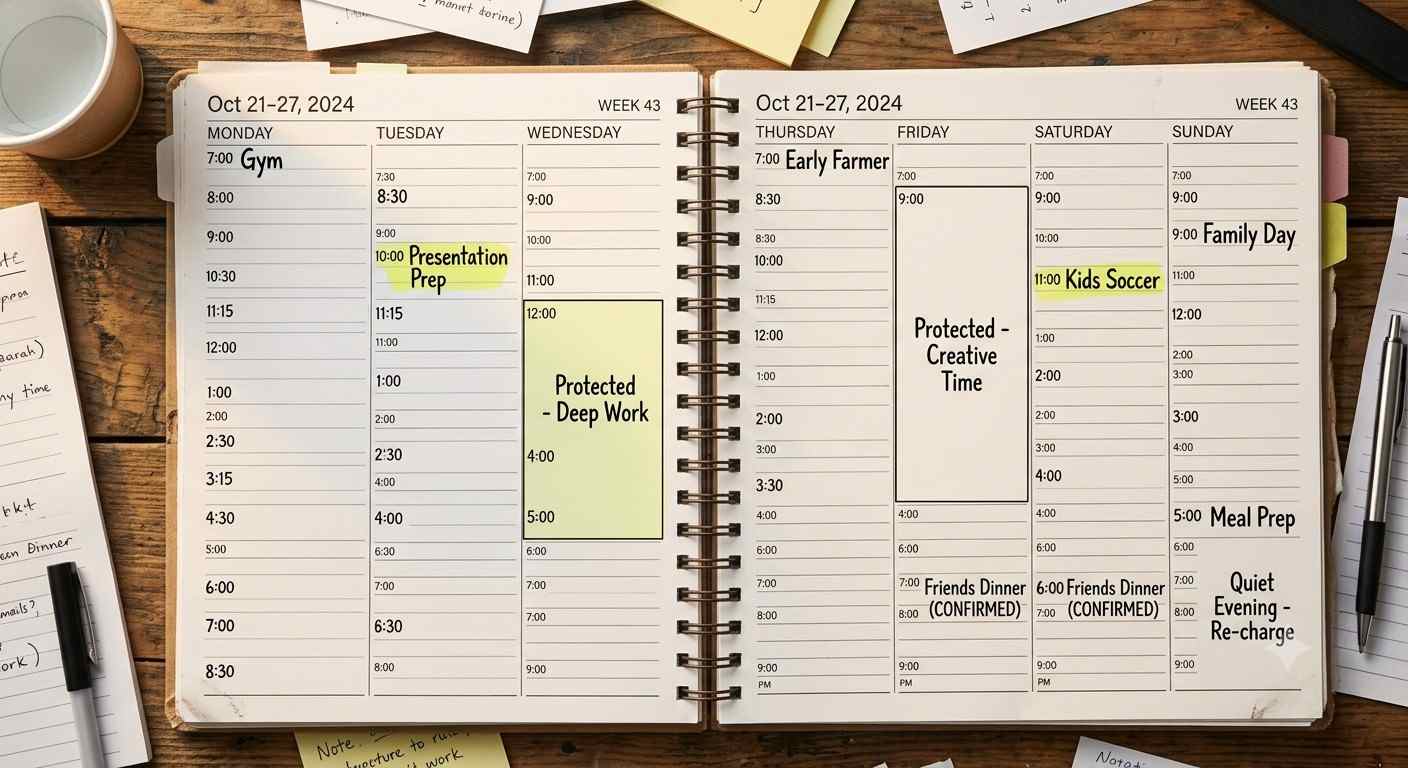
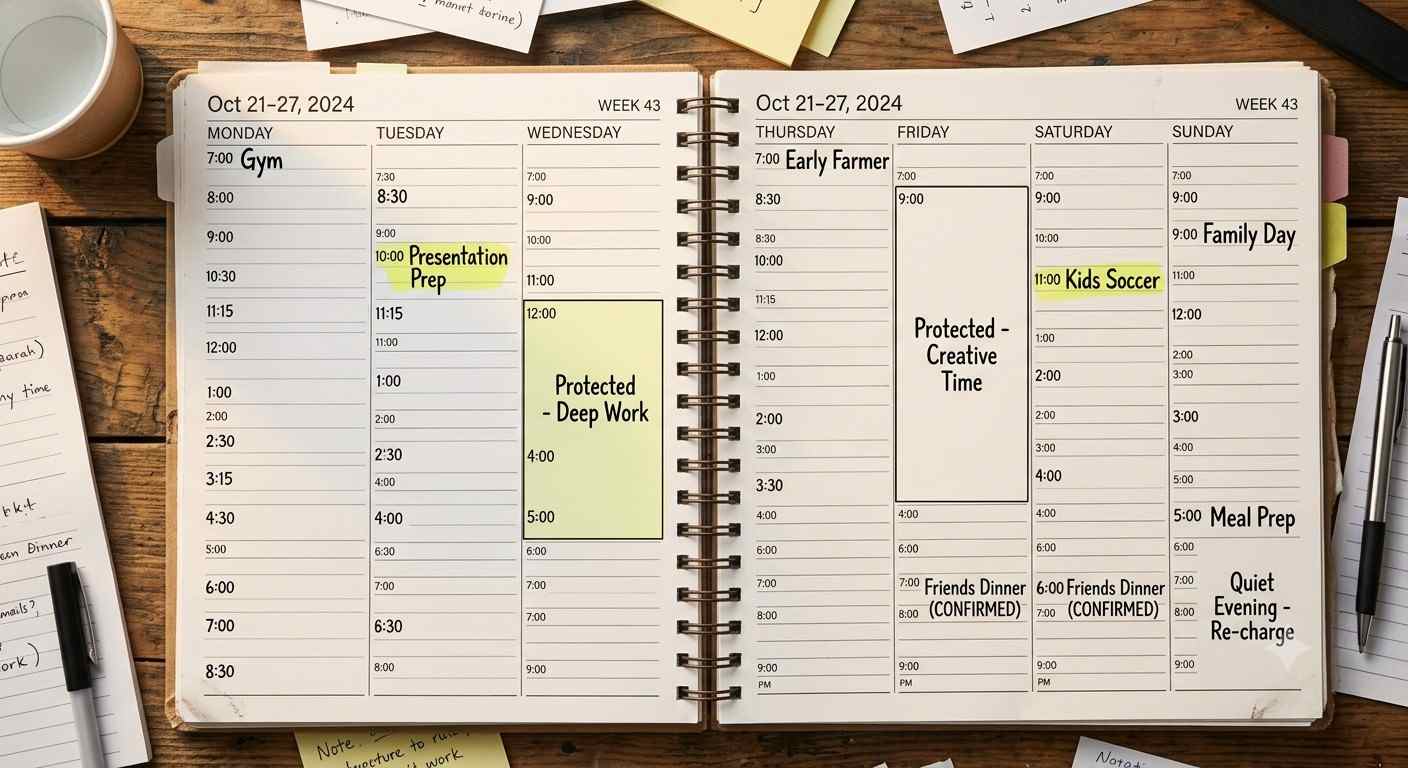
Steve Jobs famously said that Apple's success came as much from what it decided not to do as from what it did. Warren Buffett has described his calendar largely empty of meetings as one of his most valuable business assets. These are not coincidences. The ability to do anything well requires sustained attention over time. Sustained attention requires protected time. Protected time requires the willingness to decline things that compete for it.
A no to a meeting that could have been an email protects an hour of focused work. A no to a social obligation you're attending out of duty rather than genuine desire protects an evening of rest that will make the following day better. A no to a project that doesn't align with your direction protects the energy and attention that a project which does align will need.
How to Actually Say No
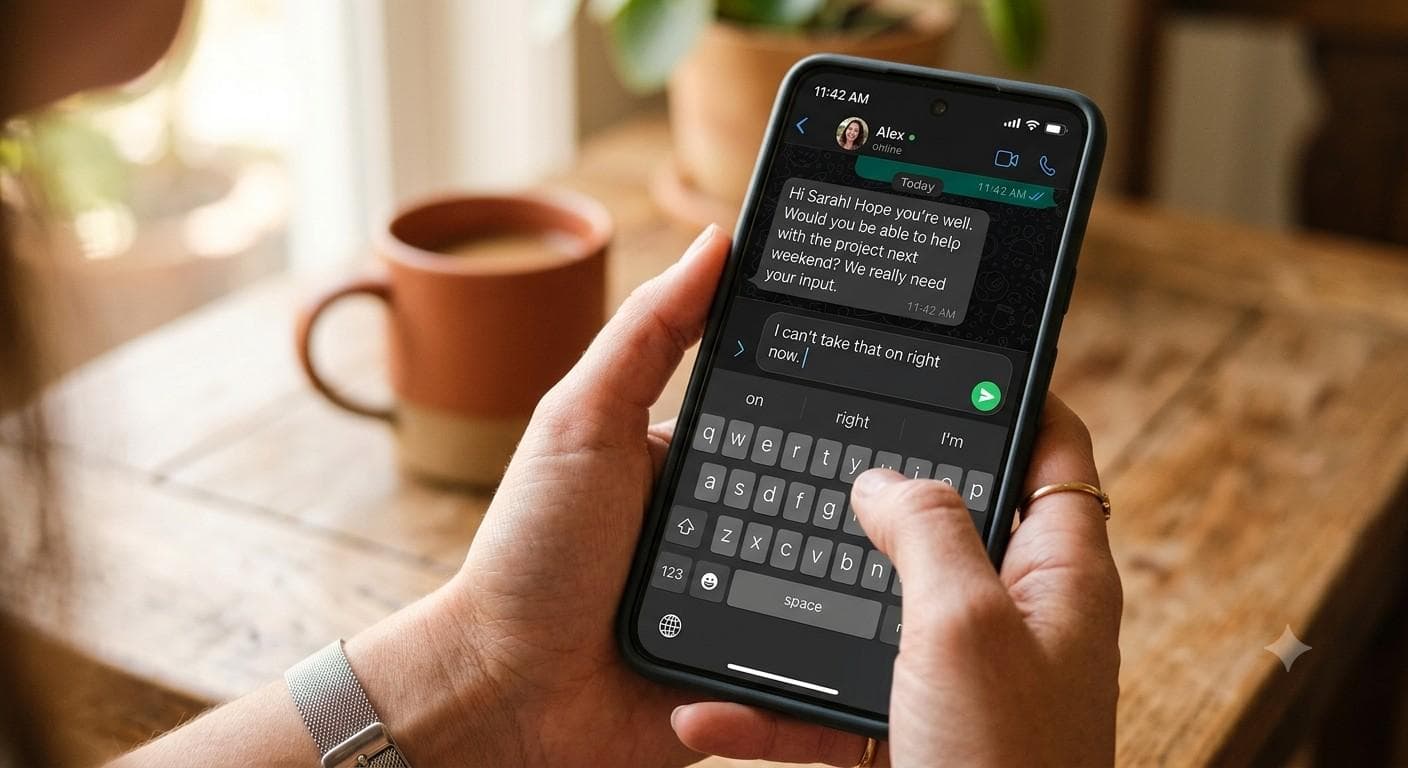
The mechanics of saying no are often the practical barrier. Most people know they should decline certain things — the difficulty is how to do it without damaging relationships or appearing uncommitted.
The direct no: For requests that clearly don't fit your priorities, a simple and honest no is almost always better than an elaborate excuse. "I can't take that on right now" is a complete sentence. It requires no justification.
The delayed no: For requests that feel pressured, giving yourself time to respond is legitimate and often easier. "Let me check my schedule and come back to you" creates space to make a considered decision rather than a reflexive yes.
The conditional yes: Some requests are worth doing under different conditions. "I can't do that by Thursday, but I could manage it by next week" honours the relationship without accepting an impossible constraint.
The redirected no: When you're the wrong person for a request, directing it to someone better placed is both a no and a genuine service. "I'm not the right fit for this, but you should speak to X" ends your involvement while being helpful.
The honest no: When the reason for declining is simply that something isn't a priority for you, saying so is often the most respectful response. "That's not something I'm focusing on right now" is more honest than a fabricated conflict.
Building the No Muscle

Saying no, like any other skill, develops with practice. The first few times are the most uncomfortable. With repetition, the discomfort reduces. The social consequences, which feel catastrophic in anticipation, almost always turn out to be minor.
A useful practice: for one week, notice every yes you give. After each one, ask: did I mean that? Did I want to say yes, or did I say yes because no felt too difficult? What did this yes cost me?
The pattern that emerges from this observation usually makes the value of a more considered approach to yes and no immediately obvious.
The Connection to Everything Else

The ability to say no is connected to every other aspect of living intentionally. A wardrobe built on no — no to impulse purchases, no to things that don't fit the life you're building — is a wardrobe that works. An eating pattern built on no — no to the processed option, no to the third portion — is an eating pattern that sustains energy. A day built on no — no to the unnecessary meeting, no to the notification, no to the obligation that doesn't serve anything real — is a day that belongs to you.
No is not a negative word. It is the word that makes every meaningful yes possible. Living intentionally means choosing deliberately. Read our guide on the power of owning less — and how the same principle applies to what you eat.
“Disclaimer: This content was created with AI assistance and reviewed before publication. It is for informational purposes only and not professional medical, nutritional, legal, or financial advice”