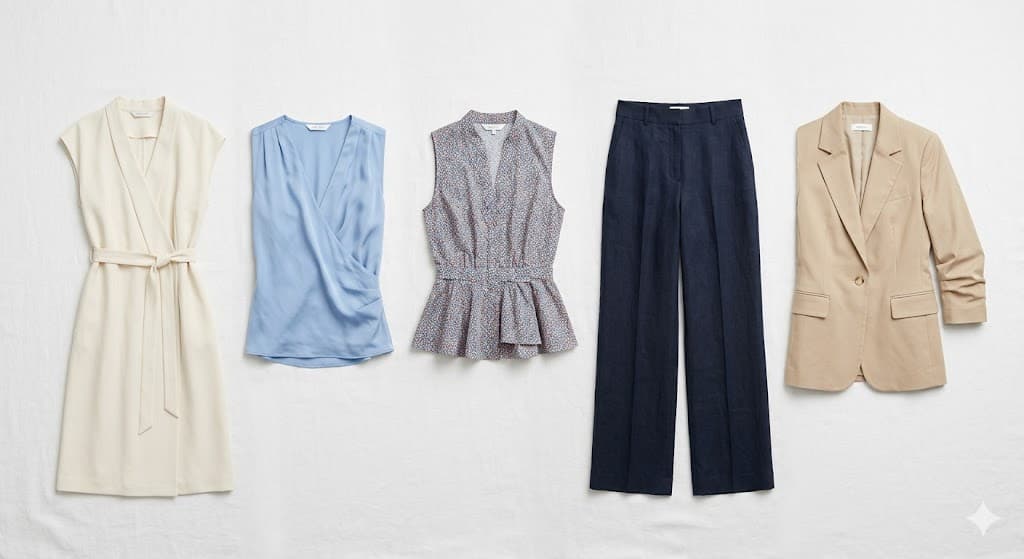
Here's something no one tells you when you're standing in a changing room feeling frustrated: the number on the label means almost nothing. A size 10 in one brand is a size 14 in another. Sizing varies by country, by era, by fabric, by cut. It is one of the least reliable pieces of information on any piece of clothing — and yet most people let it dictate how they feel about themselves. The real language of getting dressed isn't size. It's proportion. It's silhouette. It's understanding how certain shapes of clothing interact with the shape of your body — and using that knowledge to your advantage. Here's how to do it.
Why Body Shape Matters More Than Size
Everybody has a natural silhouette — the relationship between your shoulders, waist, and hips. Clothing is cut in shapes too. When those two shapes work together, an outfit looks intentional and balanced. When they clash, it doesn't matter how expensive the item was or what size it says — it just won't sit right. Dressing for your body shape is not about hiding anything. It's about understanding geometry — and using clothes as a tool to create the proportions you want. There are five broad body shape categories most people fall into. You don't need to identify rigidly with one — most people are a blend — but understanding the principles behind each gives you a practical framework for shopping and styling.
The Five Body Shapes and How to Dress for Each
1. Rectangle (Straight)
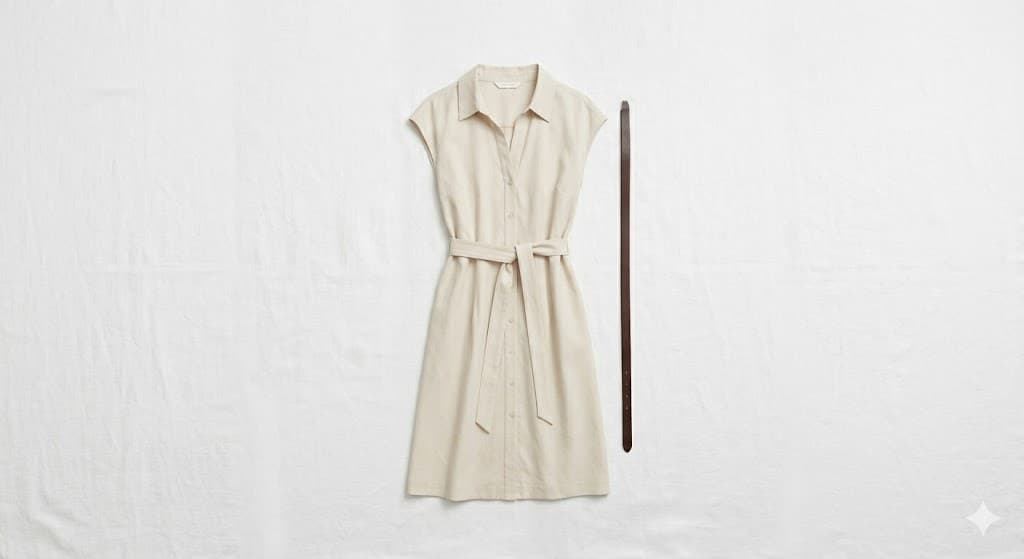
What it looks like: Shoulders, waist, and hips are roughly the same width. The torso appears relatively straight without much natural definition at the waist. The goal: Create the illusion of curves and definition — add width at the shoulders or hips, and bring in the waist. What works:
- Belted dresses and coats to define the waist
- Peplum tops and A-line skirts that add volume at the hips
- Layered outfits — a shirt under a jacket under a coat — that add visual dimension
- Wide-leg trousers that add shape to the lower half
What to avoid:
- Shapeless shift dresses worn unbelted
- Very tight, straight-cut clothing with no waist definition
2. Hourglass
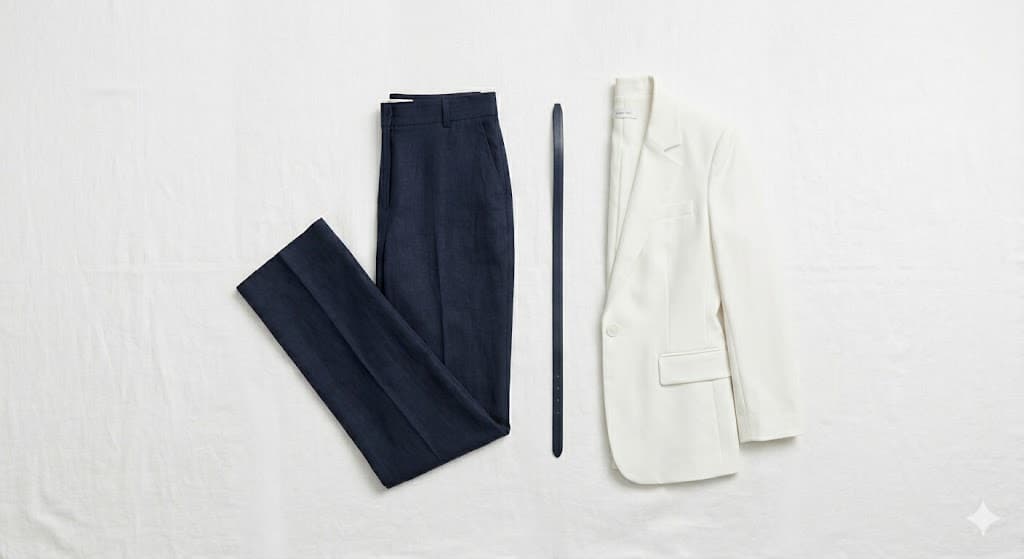
What it looks like: Shoulders and hips are roughly equal in width, with a noticeably narrower waist. The body has a naturally curved, balanced silhouette. The goal: Highlight the natural waist and balanced proportions without adding unnecessary bulk. What works:
- Wrap dresses and wrap tops — designed specifically for this shape
- High-waisted trousers and skirts that sit at the narrowest point
- Fitted blazers and structured jackets
- Bodycon styles if that suits your aesthetic
What to avoid:
- Boxy, oversized tops worn untucked — they hide the waist and add visual bulk
- Drop-waist styles that sit below the natural waist
3. Pear (Triangle)
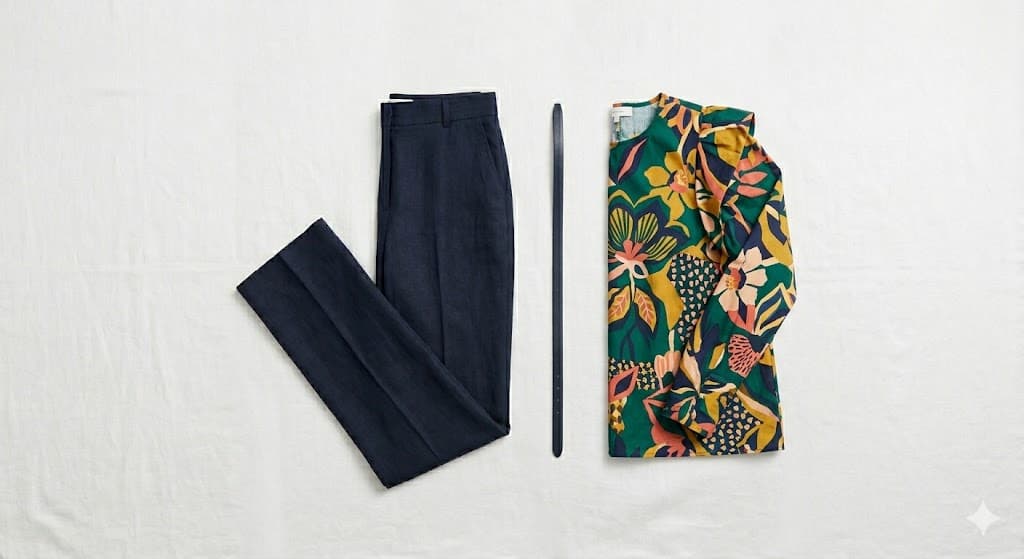
What it looks like: Hips and thighs are wider than the shoulders. The upper body is narrower than the lower body. The goal: Balance the silhouette by drawing attention upward and creating the impression of broader shoulders. What works:
- Bold colours, prints, and details on the upper half
- Structured shoulders — blazers, puff sleeves, boat necklines
- A-line and fit-and-flare skirts that skim over the hips
- Dark, simple colours on the lower half
What to avoid:
- Tapered trousers or pencil skirts that emphasise the hip-to-thigh line
- Loud patterns or embellishments on the lower half
4. Inverted Triangle
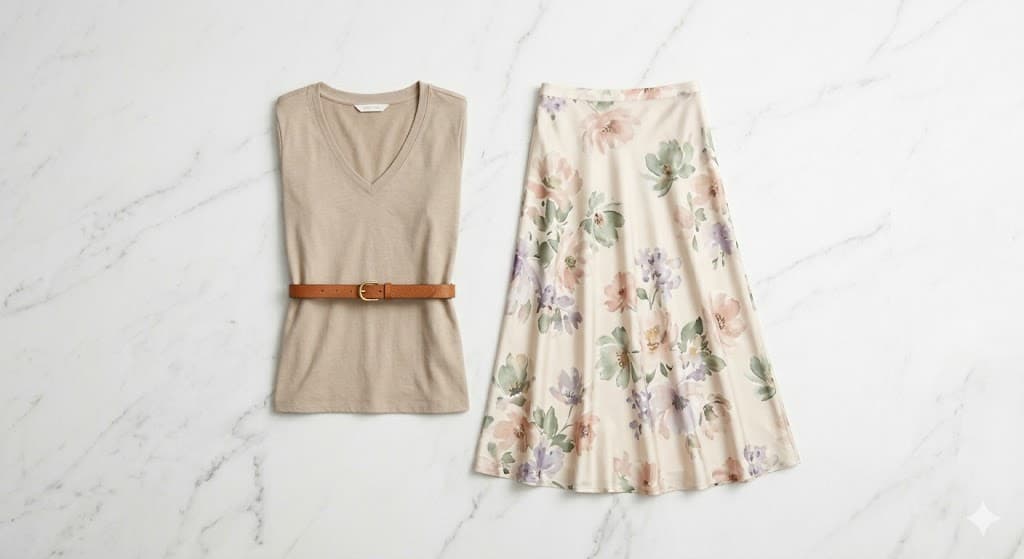
What it looks like: Shoulders are noticeably wider than the hips. The body tapers downward — broader at the top, narrower at the bottom. The goal: Balance the silhouette by adding visual volume to the lower half and softening the shoulder line. What works:
- Wide-leg trousers, flared skirts, and A-line cuts on the lower half
- V-necks and scoop necks that draw the eye down and inward
- Simple, minimal styling on the upper body
- High-waisted bottoms that add volume at the hip
What to avoid:
- Shoulder pads or puff sleeves
- Skinny jeans or tapered trousers that make the lower half look narrower
- Halter necks and strapless styles that emphasise the shoulder width
5. Apple (Round)
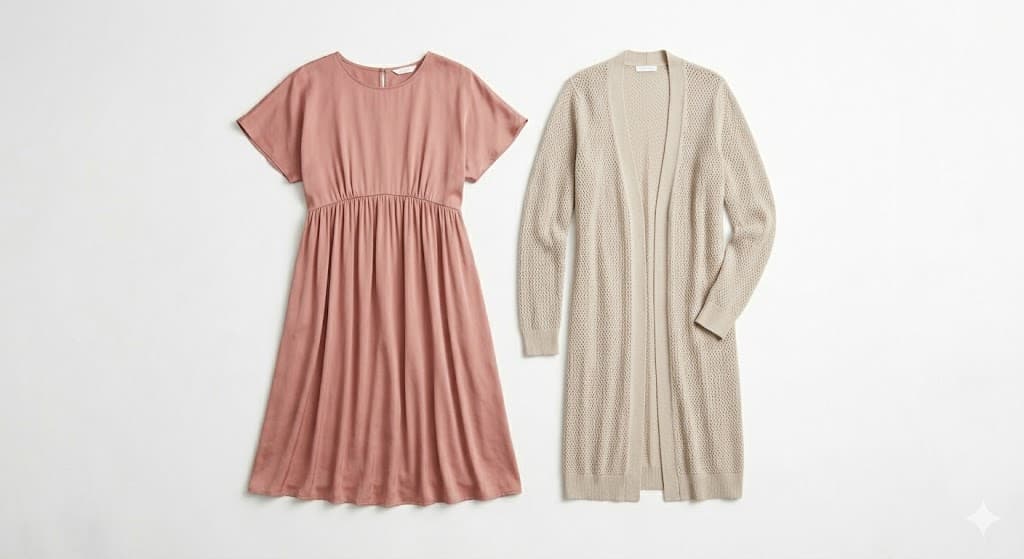
What it looks like: Weight is carried predominantly around the midsection. The shoulders and hips may be similar in width, with less definition at the waist. The goal: Create vertical lines that elongate the body and draw attention away from the midsection. What works:
- Empire-line dresses and tops that flow from just below the bust
- V-necks and open necklines that create a vertical focal point
- Straight-leg and wide-leg trousers
- Longline cardigans and jackets that create a vertical line
What to avoid:
- Clingy fabrics around the midsection
- Cropped tops or high-waisted styles that cut the torso at the widest point
- Thick waistbands that draw attention to the middle
The Universal Rules That Work for Every Shape
Regardless of your body shape, these principles apply universally:
- Fit is everything. A well-fitted item in any shape looks better than an ill-fitting item in the "right" shape. If something almost fits, get it altered. Tailoring is inexpensive and transformative.
- Vertical lines elongate, horizontal lines widen. Use this deliberately — neither is bad, it depends on what you're trying to achieve.
- High-waisted bottoms work for almost everyone. They define the waist, elongate the legs, and create a flattering proportion on most body shapes.
- Wear what makes you feel good. These are guidelines, not rules. Confidence is the most flattering thing you can wear, and it comes from feeling like yourself — not from following a checklist.
A Note on "Flattering"
The word "flattering" is often used to mean "makes you look thinner." That's a narrow definition. In the context of this guide, flattering means balanced, intentional, and proportionate — it means an outfit that looks like it was chosen with thought. Your goal isn't to look like a different body shape. It's to wear clothes that feel like they were made for you.
“Disclaimer: This content was created with AI assistance and reviewed before publication. It is for informational purposes only and not professional medical, nutritional, legal, or financial advice”