The immunity supplement industry is worth billions of dollars globally. Vitamin C capsules, zinc tablets, elderberry extracts, immunity-boosting powders - the range of products marketed to support immune function has never been larger or more aggressively promoted.
And yet the research on most individual immunity supplements is, at best, modest. Single-nutrient supplementation rarely produces the robust immune support that marketing suggests because immune function is not determined by any single nutrient. It is a systemic property of the whole body, shaped by nutrition, sleep, stress, movement, and gut health in combination.
Meanwhile, traditional Indian cooking - developed over millennia in a tropical climate where infectious disease pressure was high contains a dense concentration of compounds that modern immunology is identifying, one by one, as genuinely supportive of immune function. The Indian kitchen wasn't designed around immunity science. But the result, examined through that lens, is remarkably coherent.
How the Immune System Actually Works
The immune system is not a single organ or mechanism. It is a distributed, multi-layered network of cells, proteins, and processes that operate across the entire body. The immune system is not a single organ or mechanism. It is a distributed, multi-layered network of cells, proteins, and processes that operate across the entire body.
The innate immune system - the first responder to pathogens that breach the barrier operates through inflammation, fever, and non-specific immune cells. Its activation speed and effectiveness depend on the nutritional status of the body and the overall inflammatory load the system is managing.
The adaptive immune system which produces specific antibodies and long-term immune memory requires adequate protein, zinc, vitamins A, C, and D, and a healthy gut microbiome to function optimally. Supporting immune function through diet means supporting all three layers not through a single supplement but through consistent dietary patterns that provide the full range of micronutrients and bioactive compounds these systems require.
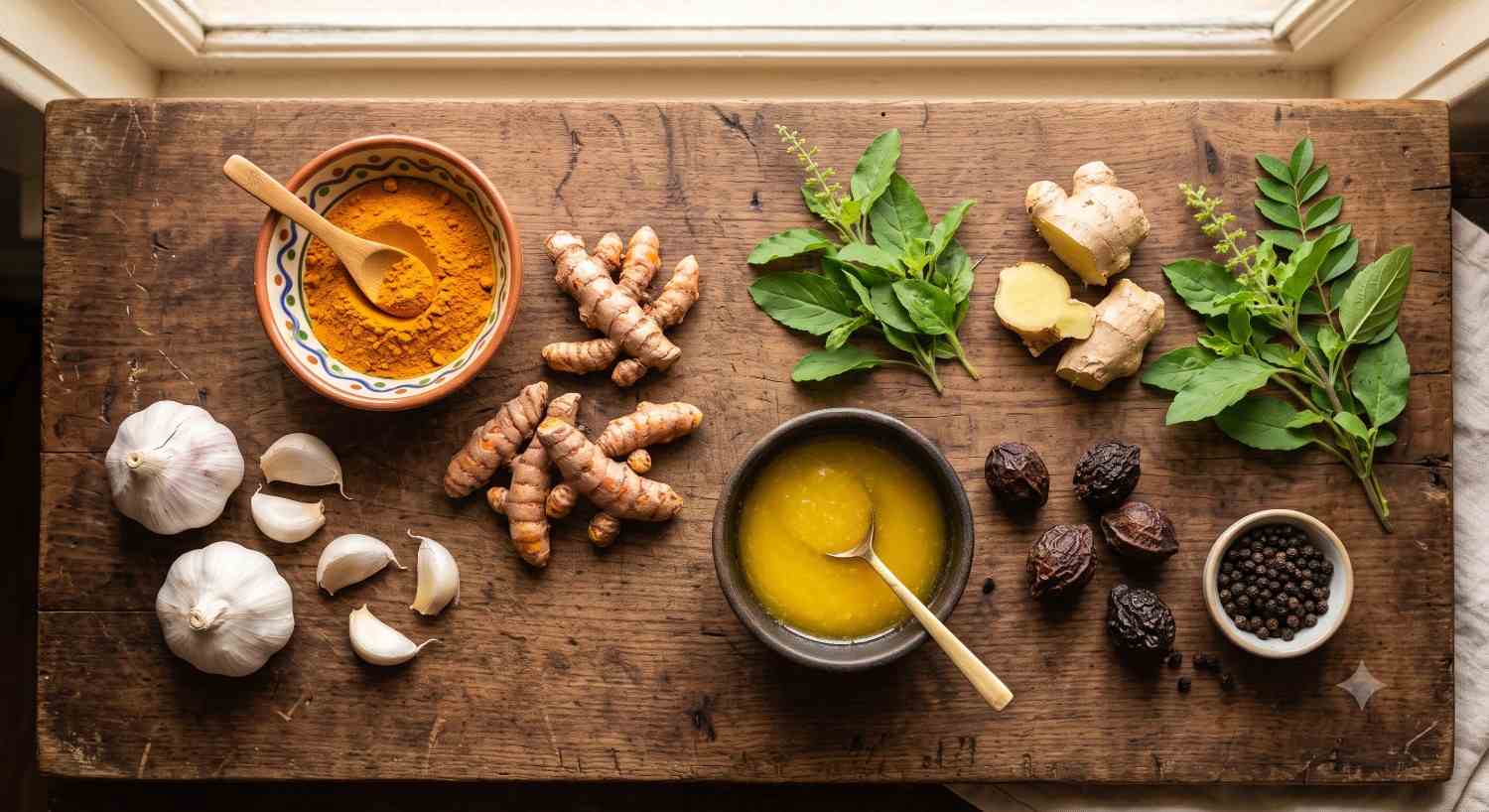
The Indian Kitchen's Immune Arsenal
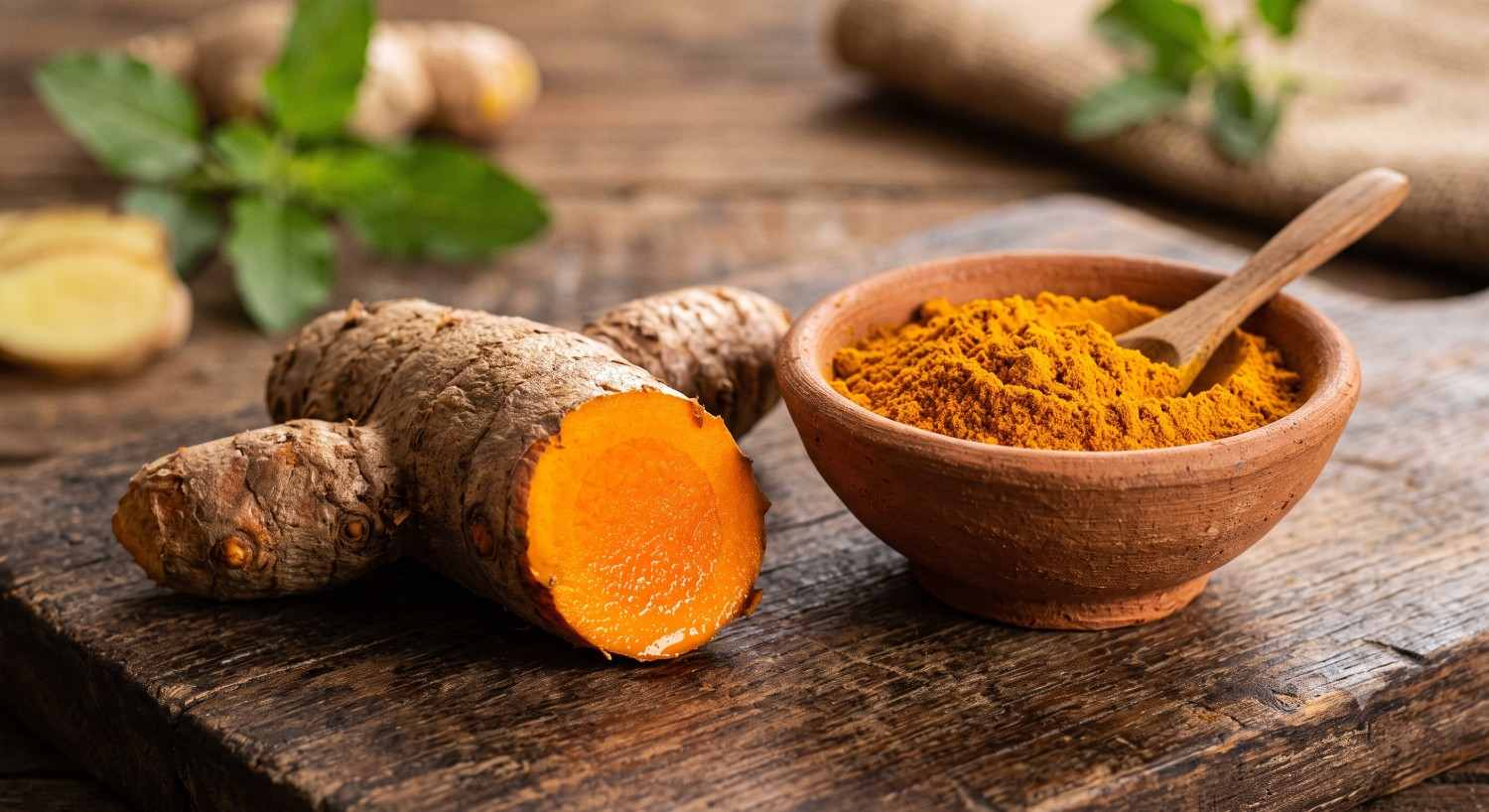
Turmeric's active compound, curcumin, has been the subject of more than 12,000 published studies. Its most consistently documented effects include anti-inflammatory activity, antioxidant activity, and modulation of immune cell function including enhancement of antibody responses.
In traditional Indian cooking, turmeric is added to virtually every cooked dish. The quantities used typically a quarter to half a teaspoon per dish are modest but consistent. Daily low-dose curcumin exposure appears to produce different effects from sporadic high-dose supplementation.
One important practical note: curcumin has low bioavailability in isolation. Two factors dramatically increase absorption: fat (curcumin is fat-soluble, and cooking it in oil as traditional Indian recipes do improves absorption significantly) and piperine (found in black pepper). The traditional Indian combination of turmeric and black pepper in the same dish is not coincidental - it is nutritionally synergistic.
Ginger - Anti-Inflammatory and Antiviral
Ginger contains gingerols and shogaols bioactive compounds with documented anti-inflammatory, antioxidant, and antimicrobial properties. Research has shown ginger extracts to inhibit the replication of several respiratory viruses in vitro, and epidemiological studies in populations with high ginger consumption show lower rates of several inflammatory conditions.
In Indian cooking, ginger is used fresh - grated or paste in sabzis, dals, chutneys, and masala chai. The fresh form retains higher gingerol content than dried powder. The traditional practice of chewing a small piece of fresh ginger before meals common in Indian households - is also supported by research showing ginger's ability to stimulate digestive enzyme production and enhance gastric motility.
Garlic - The Original Antibiotic and curd
Garlic's immune-supporting properties are among the best-documented of any food. Allicin the compound produced when garlic is crushed or chopped has demonstrated antibacterial, antiviral, antifungal, and immune-stimulating activity in multiple well-designed studies. A 12-week double-blind trial found that daily garlic supplementation reduced the number of colds by 63% and reduced recovery time in those who did get colds by 70% compared to placebo. In Indian cooking, garlic is used in the base of almost every cooked dish. The standard Indian tarka - oil, mustard seeds, cumin, garlic, ginger, onion - delivers consistent daily garlic intake in a form that has been part of the diet for thousands of years.
As discussed in our gut health guide, approximately 70% of immune cells are located in and around the gut. The gut microbiome trains and regulates immune responses a well-balanced microbiome produces more measured, appropriate immune reactions, while a disrupted microbiome is associated with both increased infection susceptibility and increased autoimmune activity.
Daily curd consumption the Indian dietary tradition delivers consistent probiotic input that supports microbiome diversity and, through it, immune regulation. Plain full-fat curd contains significantly higher live culture counts than most packaged yoghurt products.
Dal and Legumes - Protein for Immune Cell Production
Every immune cell - antibodies, T cells, B cells, natural killer cells - is made of protein. Protein deficiency is one of the most reliably documented nutritional causes of immune impairment globally. Dal provides not just protein but also zinc, iron, folate, and other micronutrients critical for immune function. The combination of dal with rice provides all essential amino acids - making it a complete protein source in the traditional Indian combination that is nutritionally designed for exactly this purpose.
Amla - The Highest Natural Source of Vitamin C
Indian gooseberry (amla) contains approximately 600-700mg of vitamin C per 100g - among the highest of any naturally occurring food source. The vitamin C in amla is also significantly more bioavailable than synthetic ascorbic acid, partly due to the accompanying tannins that protect it from oxidation.
Vitamin C is essential for the function of phagocytes (immune cells that engulf pathogens), the production of collagen (which maintains barrier integrity), and the protection of cells from oxidative damage during immune responses. Amla in any form - fresh, dried, as amla murabba, or as amla juice - is among the most potent natural immune-supporting foods available.
Black Pepper - Bioavailability Enhancer and Immune Modulator
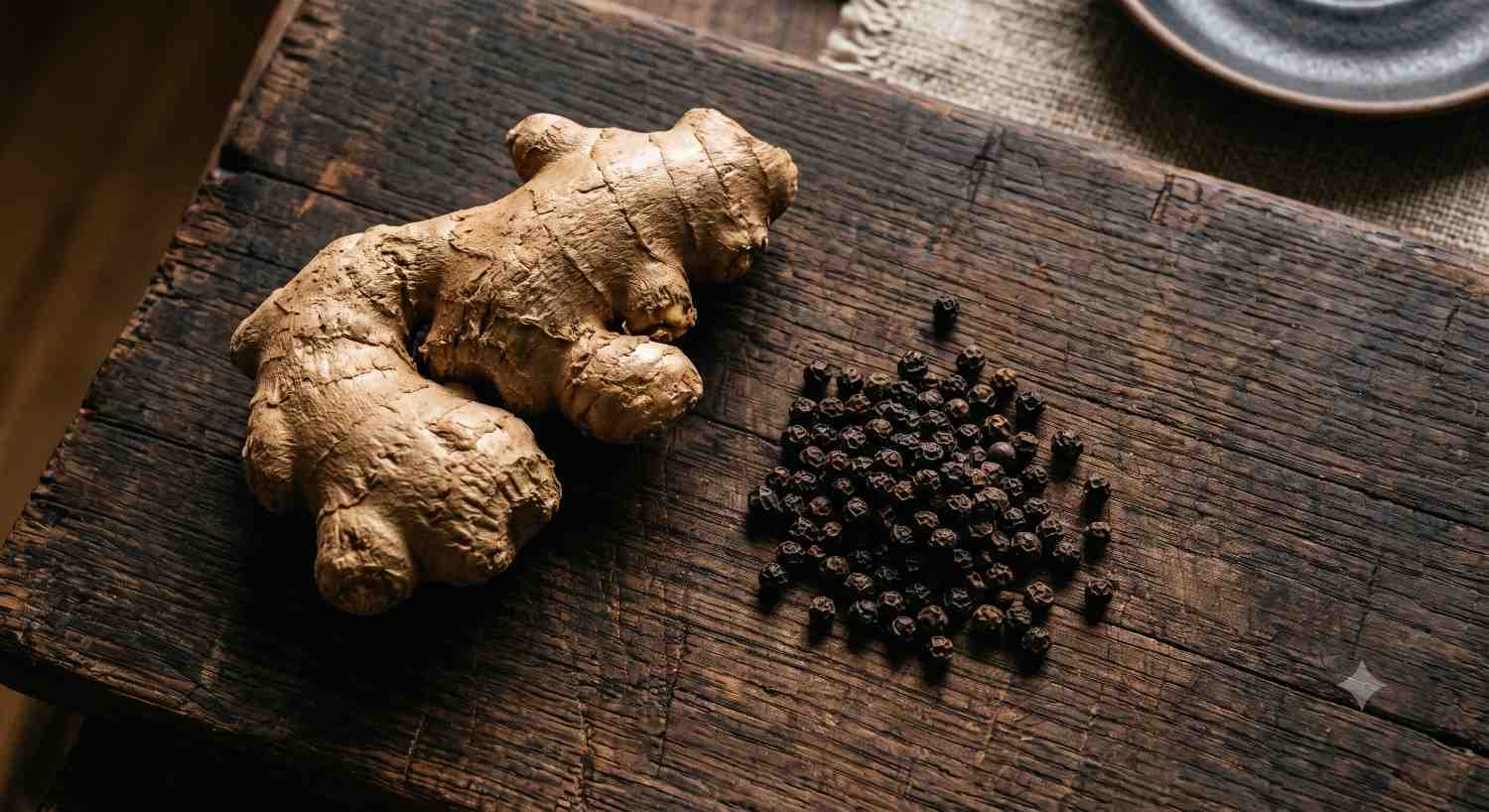
Black pepper's active compound, piperine, has documented immune-modulating properties - including enhancement of immune cell activity and reduction of inflammatory markers. More importantly, piperine dramatically increases the bioavailability of other bioactive compounds, particularly curcumin (by up to 2000% in some studies). The traditional Indian practice of combining spices turmeric with black pepper, for example reflects an empirically developed wisdom about synergy that modern nutritional science is only now formalising.
What This Looks Like in Practice
Building immune-supportive eating doesn't require supplements, special products, or significant changes to a traditional Indian diet. It requires cooking the traditional way, consistently.
- Daily: Dal (protein, zinc, iron). Curd (probiotics). Turmeric and black pepper in cooking (curcumin + piperine). Ginger and garlic in cooking (immune-modulating compounds). Variety of vegetables (micronutrients and fibre for gut health).
- Regularly: Amla in any form. Fresh ginger tea or warm water with ginger and lemon. A variety of legumes not just one type of dal but cycling through masoor, toor, moong, chana, rajma.
- The context that makes it work: Adequate sleep, because immune function degrades significantly with sleep deprivation. Stress management, because chronic stress is one of the most potent suppressors of immune function. Adequate hydration, because mucosal barrier integrity - the first line of immune defence requires adequate water.
The Supplement Question
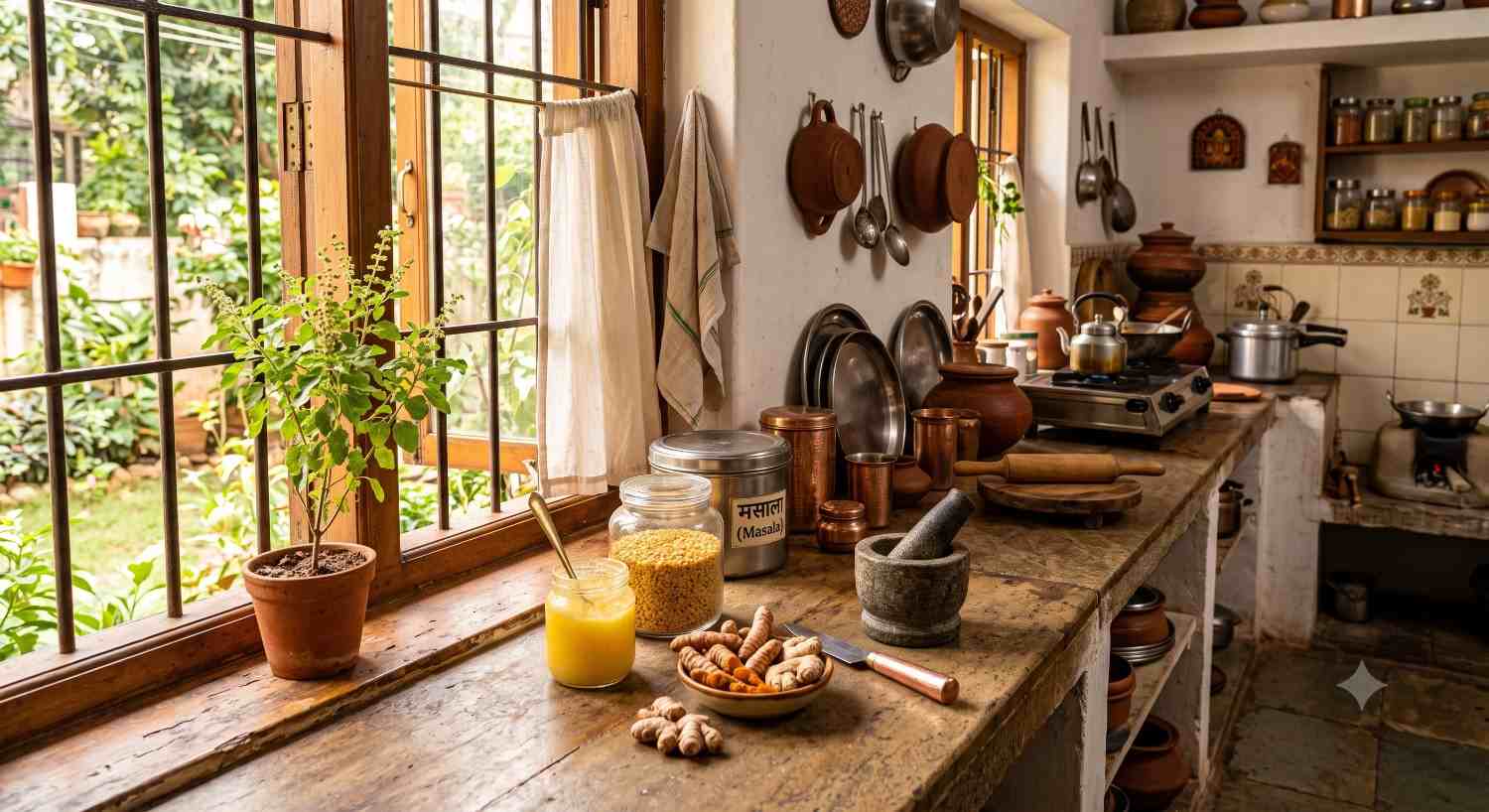
After three months of consistent traditional Indian eating dal daily, curd daily, varied vegetables, regular ginger and garlic - the question of immune supplements becomes significantly less relevant. The dietary foundation provides the full spectrum of immune-supporting nutrients in their most bioavailable, synergistic forms.
The one supplement that Indian dietary patterns may not fully cover is Vitamin D - because it requires sun exposure for synthesis and modern indoor lifestyles limit this. Vitamin D plays a significant role in immune regulation, and deficiency is increasingly common in urban India. Brief daily sun exposure or supplementation where needed is worth considering separately.
Everything else - the vitamins, the zinc, the antioxidants, the probiotics - is in the kitchen already. Natural food supports natural health. Read our guide on gut health and how it connects to how you feel - and how living intentionally supports everything including your health.
“Disclaimer: This content was created with AI assistance and reviewed before publication. It is for informational purposes only and not professional medical, nutritional, legal, or financial advice”