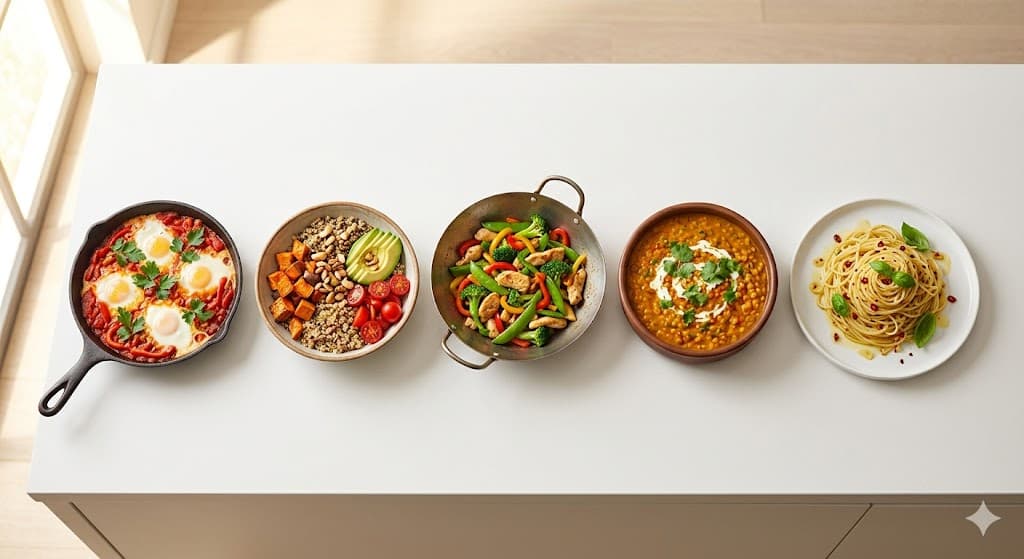
There's a particular kind of confidence that comes from walking into your kitchen on a Tuesday night, with no plan and no recipe open, and producing something genuinely good to eat. It's not about being a great cook. It's about having a small repertoire of meals you know so well you can make them on autopilot — when you're tired, when the fridge is half-empty, when you just don't have the energy to think. Every person who eats well consistently has this. Not a hundred recipes. Five. Maybe ten. Here are the five meals worth learning properly.
Why Five Meals Changes Everything
Most people either follow recipes rigidly or resort to takeaway when they can't be bothered. The missing middle ground is a core set of meals you own — that you've made enough times to cook without instructions, to adapt based on what's in the fridge, and to produce consistently well. These five meals cover your nutritional bases, use accessible ingredients, and can each be made in under 30 minutes once you know them. They're not trendy. They're not Instagram-worthy. They're just genuinely useful.
Meal 1: The One-Pan Egg Dish
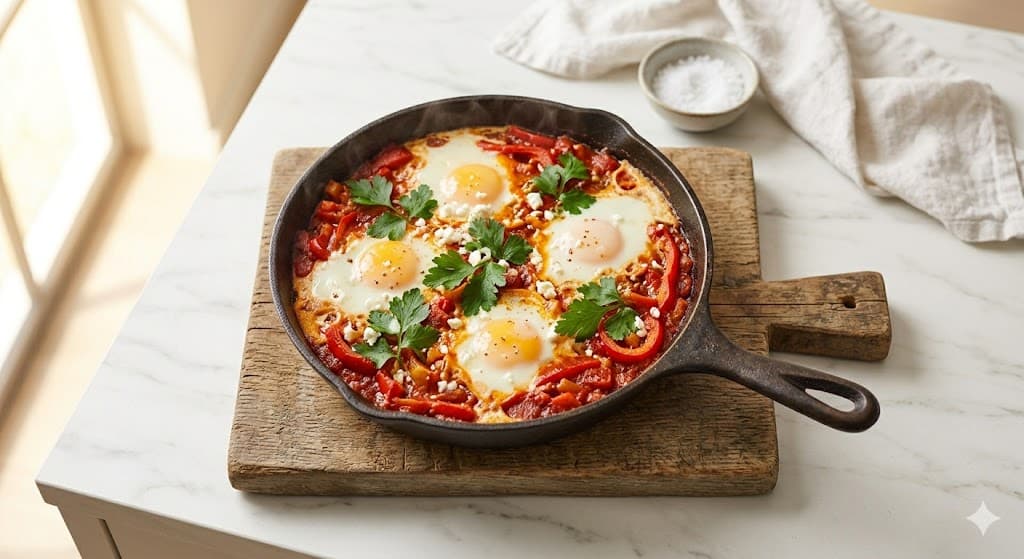
- Why learn this: Eggs are one of the most nutritious, affordable, and versatile ingredients available. A good egg dish — whether shakshuka, a vegetable frittata, or simply well-made scrambled eggs with whatever's in the fridge — is a complete meal in 10 minutes
- The base formula: Sauté aromatics (onion, garlic, or shallots) in olive oil. Add vegetables — whatever you have: spinach, peppers, tomatoes, courgette, leftover roasted veg. Season well. Add eggs — either cracked directly in and covered to steam, whisked and poured over to make a frittata, or scrambled through. Finish with herbs, feta, or chilli f lakes.
- Why it works nutritionally: High protein, rich in micronutrients from the veg, low in refined carbohydrates. It works as breakfast, lunch, or a light dinner.
- The skill to develop: Learning how to control egg texture — the difference between creamy scrambled eggs and rubbery ones is entirely about heat and timing
Meal 2: A Simple Grain Bowl
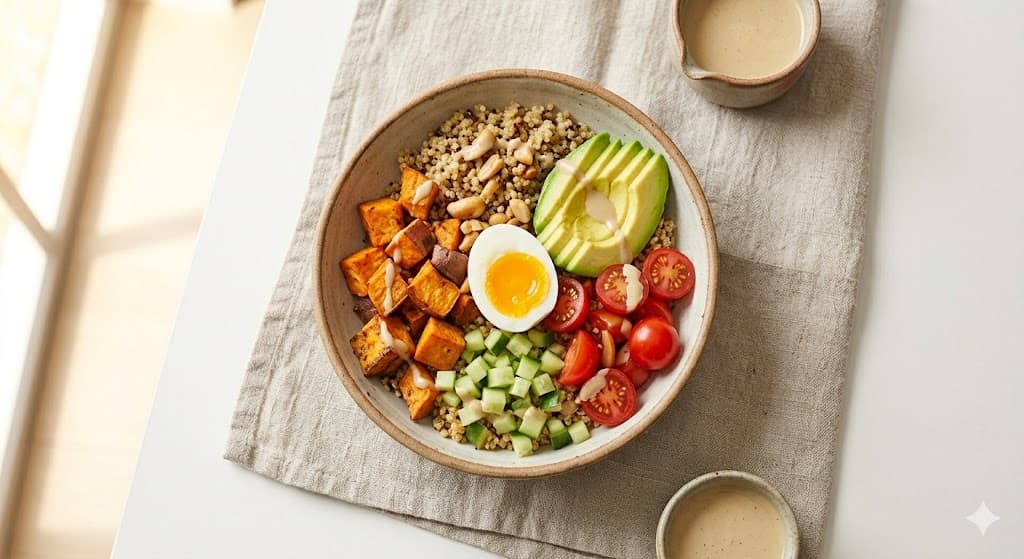
Why learn this: A grain bowl is not a recipe — it's a formula. Once you understand it, you can produce an endlessly varied, nutritionally complete meal from almost any combination of ingredients.
The formula:
- Base: Cooked grain — rice, quinoa, couscous, or farro (cook a batch at the start of the week)
- Protein: Grilled chicken, canned chickpeas, fried tofu, a boiled egg, or canned fish
- Vegetables: Roasted, raw, or wilted — whatever you have
- Sauce: This is what ties it together — tahini with lemon and water, yoghurt with garlic and herbs, soy sauce with sesame oil and ginger, or a good olive oil and vinegar dressing
- Texture: A handful of nuts, seeds, or something pickled
- Why it works nutritionally: Complex carbohydrates, protein, fibre, and healthy fat in a single bowl. This is a complete meal by design.
- Why it works nutritionally: Complex carbohydrates, protein, fibre, and healthy fat in a single bowl. This is a complete meal by design.
Meal 3: A Proper Stir-Fry
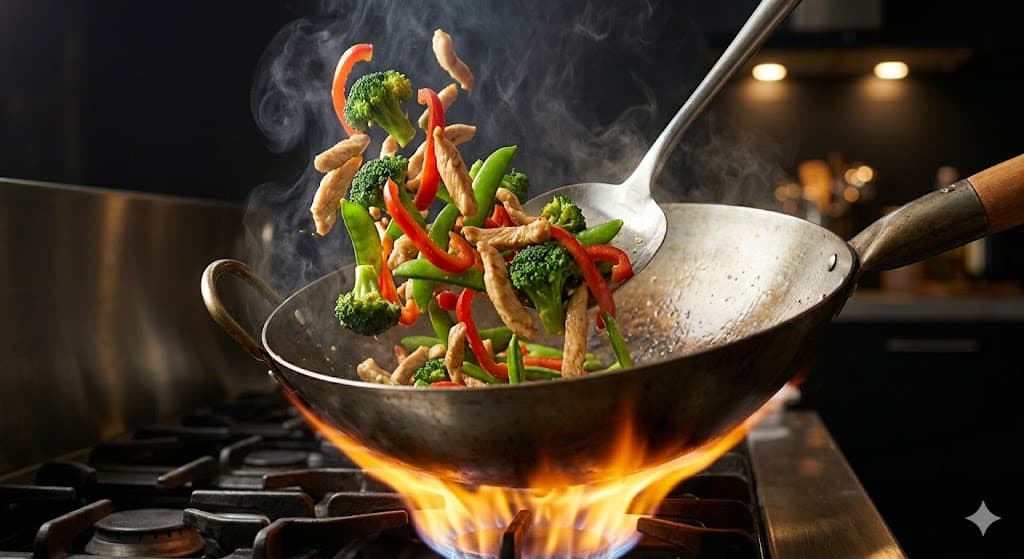
- Why learn this: A stir-fry is one of the fastest complete meals you can make — 15 minutes from cold pan to table — and it's one of the most flexible. It also teaches you one of the most important cooking skills: highheat cooking and understanding how ingredients behave at temperature.
- The base formula: Heat a wok or large frying pan until very hot. Add oil with a high smoke point (vegetable, sunflower, or sesame). Add protein first if using meat or tofu — cook until golden, remove. Add aromatics (garlic, ginger, spring onion). Add harder vegetables first (broccoli, carrots, peppers), then softer ones (pak choi, mangetout, mushrooms). Return protein. Add sauce — a basic version is soy sauce, a little sesame oil, and a teaspoon of honey. Serve over rice or noodles.
- Why it works nutritionally: High vegetable content, lean protein, controlled sauce (homemade means no excess sugar or sodium), and complex carbohydrates from rice or noodles.
- The skill to develop: Not overcrowding the pan. Too many ingredients at once drops the temperature and everything steams instead of fries — you lose the texture and the flavour.
Meal 4: A Versatile Soup or Lentil Dal
- Why learn this: A good soup or dal is the ultimate batch-cook meal. It takes 30–40 minutes, makes four to six portions, freezes perfectly, and gets better the next day. It's also one of the most nutrient-dense things you can eat.
- A simple red lentil dal: Sauté diced onion, garlic, and ginger in oil until soft. Add a teaspoon each of cumin, coriander, and turmeric, and a pinch of chilli. Toast the spices for 30 seconds. Add rinsed red lentils and enough vegetable stock or water to cover generously (roughly 3:1 liquid to lentils). Simmer for 20–25 minutes until the lentils have broken down. Season with salt, a squeeze of lemon, and a handful of spinach stirred in at the end. Serve with rice, flatbread, or on its own
- Why it works nutritionally: Red lentils are exceptionally high in protein and fibre, with a low glycaemic index. This meal is cheap, filling, and nutritionally powerful.
- The skill to develop: Blooming spices in oil before adding liquid. It's a 30-second step that transforms the depth of flavour in a dish.
Meal 5: A Simple Pasta from Scratch (No Jar)
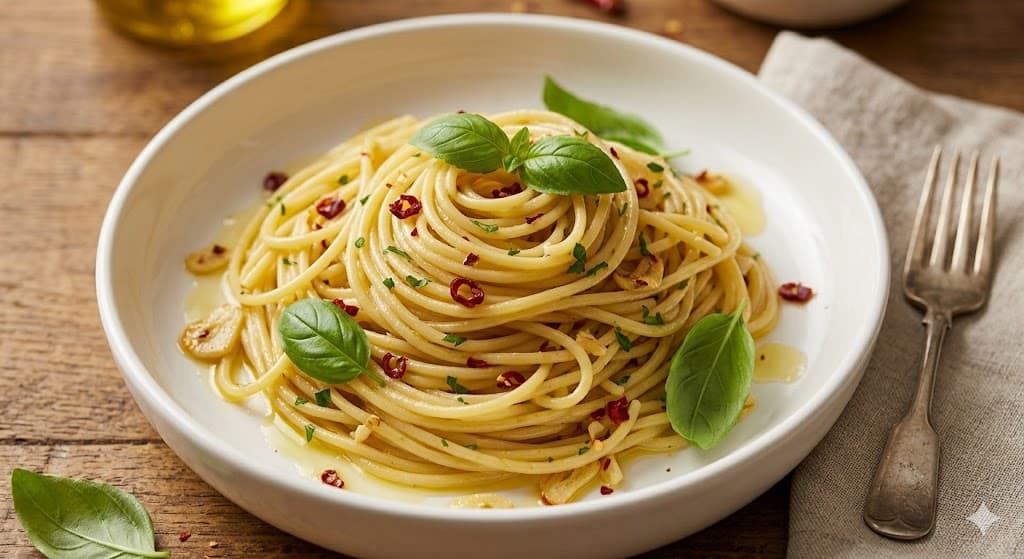
- Why learn this: Pasta has a reputation as a carb-heavy convenience food — and it can be. But a wellconstructed pasta dish with a proper sauce, good protein, and vegetables is a genuinely balanced meal. Moreimportantly, making a real pasta sauce from scratch takes the same amount of time as opening a jar.
Two sauces worth knowing by heart:
- Aglio e olio (garlic and oil): Cook pasta. While it cooks, gently fry thinly sliced garlic in generous olive oil — don't let it brown. Add a pinch of chilli flakes. Add a ladle of pasta water. Toss with drained pasta, parsley, and parmesan. Done in 12 minutes. Add a tin of sardines or anchovies for protein and depth.
- Simple tomato: Sauté garlic in olive oil. Add a tin of good quality chopped tomatoes. Season with salt, a pinch of sugar, and dried oregano. Simmer 15 minutes. Toss with pasta, fresh basil. Add wilted spinach and a fried egg or canned white beans to make it a complete meal.
- Why it works nutritionally: Pasta is not the enemy — it's a complex carbohydrate that provides sustained energy. The sauce is where you control the nutritional profile — building in protein, fibre, and vegetables.
- The skill to develop: Pasta water. The starchy water your pasta cooks in is the secret ingredient in every great pasta sauce — it emulsifies the sauce, adds body, and helps it cling to the pasta. Always reserve a cup before draining.
How to Actually Learn These
Reading about a recipe and cooking it once are very different things. To truly know a meal by heart:
- Cook it five times in a row: The first time you follow the steps. The second time you start to understand why. By the fifth time, it's yours.
- Vary it deliberately: Once you know the base recipe, change one element — a different grain, a different protein, a different sauce — and see what happens. This builds intuition faster than following recipes.
- Cook without looking: Once you think you know it, try it without any reference. What you forget is what you still need to practise.
The Bigger Picture
Five meals sounds modest. But five meals you genuinely know — that you can cook confidently, adapt freely, and rely on completely — is more valuable than fifty recipes you've bookmarked and never made.Real food confidence isn't about knowing a lot. It's about knowing a few things deeply.
“Disclaimer: This content was created with AI assistance and reviewed before publication. It is for informational purposes only and not professional medical, nutritional, legal, or financial advice”