There's a phrase that appears in both ancient Ayurvedic texts and in cutting-edge gastroenterology research: the gut is the foundation of health. Two very different traditions of knowledge, separated by thousands of years, arrived at the same conclusion through entirely different routes.
Modern science is now producing a detailed picture of why this is true - and the picture is more connected than most people expect. The gut doesn't just digest food. It produces neurotransmitters, regulates immune function, communicates directly with the brain, and influences mood, energy, sleep quality, and cognitive function through mechanisms that researchers are still actively mapping.
Understanding the basics of gut health doesn't require a degree in gastroenterology. It requires understanding a few core principles - and recognising that traditional Indian food, practised as it was designed to be practised, already addressed most of them.
What the Gut Microbiome Actually IsX
The human gut contains approximately 100 trillion microorganisms - bacteria, fungi, viruses, and other microbes - collectively called the gut microbiome. The total genetic material of these organisms is estimated to be 150 times larger than the human genome.
These microorganisms are not passive passengers. They are metabolically active participants in human physiology - breaking down food components that human enzymes cannot process, producing vitamins and short-chain fatty acids, regulating the immune system, and communicating with the brain via the vagus nerve (a direct neural connection between the gut and the brain).
The composition of the gut microbiome - which species are present, in what proportions, and how active they are - varies enormously between individuals and is influenced by diet, sleep, stress, physical activity, medication history, and early-life exposures.
A diverse, balanced microbiome - one with many different species in appropriate proportions - is associated with better immune function, more stable mood, clearer thinking, better sleep, and lower rates of chronic disease. A disrupted microbiome - one that has lost diversity or been colonised by harmful species - is associated with the opposite.
The Gut-Brain Connection
The phrase "gut feeling" exists for a reason. The gut contains approximately 500 million neurons - more than the spinal cord - and is in constant bidirectional communication with the brain. This communication pathway is called the gut-brain axis.
The gut produces approximately 95% of the body's serotonin - the neurotransmitter most associated with mood stability and wellbeing. It also produces significant quantities of dopamine, GABA, and other neuroactive compounds that directly influence how you feel mentally and emotionally.
This means that the state of your gut is not separate from your mental state. They are the same system. A gut microbiome that is disrupted by poor diet, stress, or antibiotic use produces less serotonin and more inflammatory compounds - which manifests as lower mood, higher anxiety, and reduced cognitive function. A well-nourished microbiome produces more of the compounds that support mental clarity and emotional stability.
This explains something many people have noticed without understanding: eating well doesn't just make your body feel better. It makes your mind feel better. The connection is biochemical and direct.
What Damages the Gut Microbiome
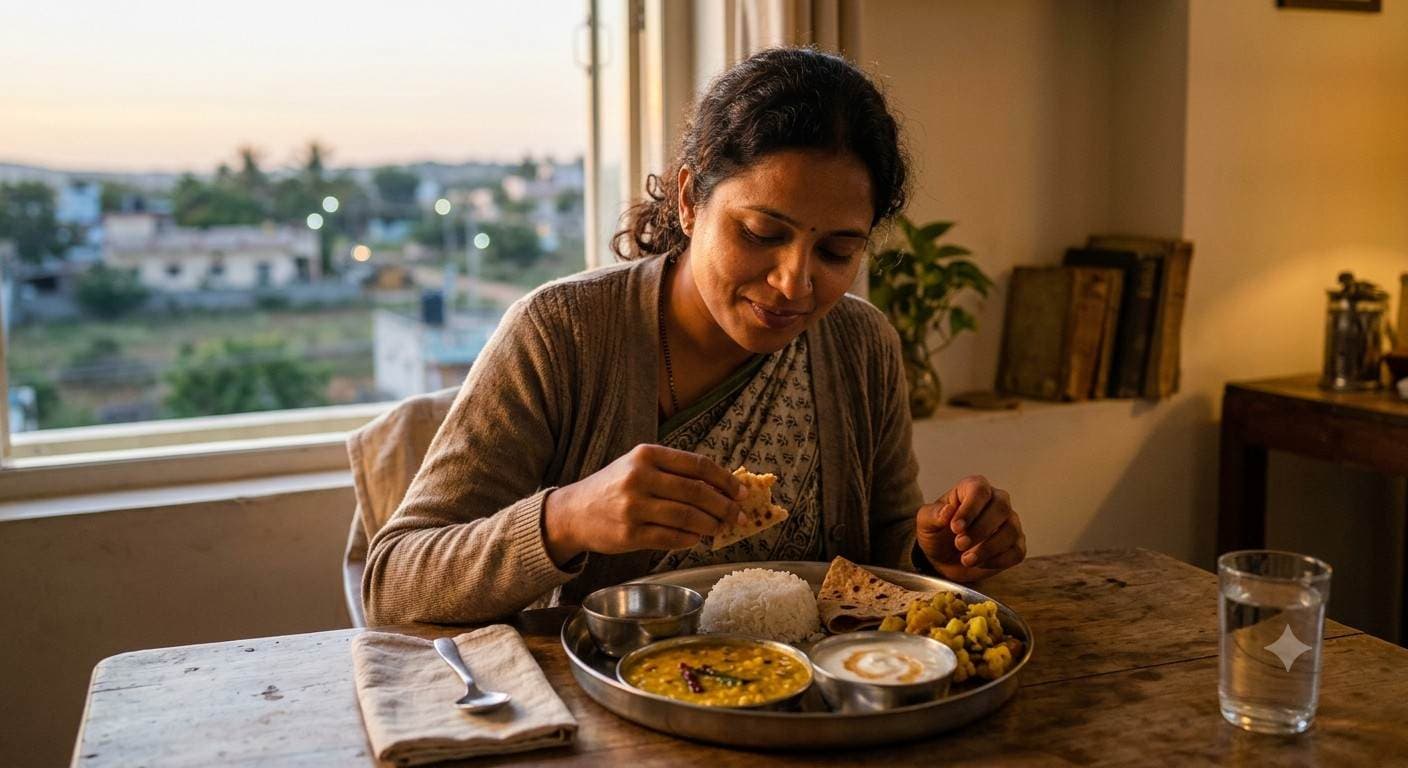
Highly processed food: Ultra-processed food products - those containing multiple artificial additives, emulsifiers, preservatives, and refined ingredients - have been shown in multiple studies to reduce gut microbiome diversity significantly. The emulsifiers in particular appear to disrupt the mucus layer that lines the gut and protects its microbiome.
Excess refined sugar: High sugar intake feeds certain bacterial species at the expense of others, disrupting microbiome balance. Refined sugar is particularly problematic - naturally occurring sugars in whole fruits arrive with fibre that modifies their effect.
Low fibre intake: Dietary fibre is the primary food source for beneficial gut bacteria. A diet low in fibre - which describes most modern Indian urban eating patterns, dominated by refined grains and limited vegetables - starves the beneficial bacteria and allows less beneficial species to proliferate.
Chronic stress: The gut-brain axis works in both directions. Chronic psychological stress disrupts gut motility, reduces the diversity of the microbiome, and increases intestinal permeability - allowing bacterial products to cross the gut wall and trigger systemic inflammation.
Inadequate sleep: The gut microbiome operates on a circadian rhythm - the same internal clock that governs sleep. Disrupted sleep disrupts microbiome function. People with irregular sleep patterns have measurably different - and less healthy - microbiome compositions than those with consistent sleep.
What Supports the Gut Microbiome
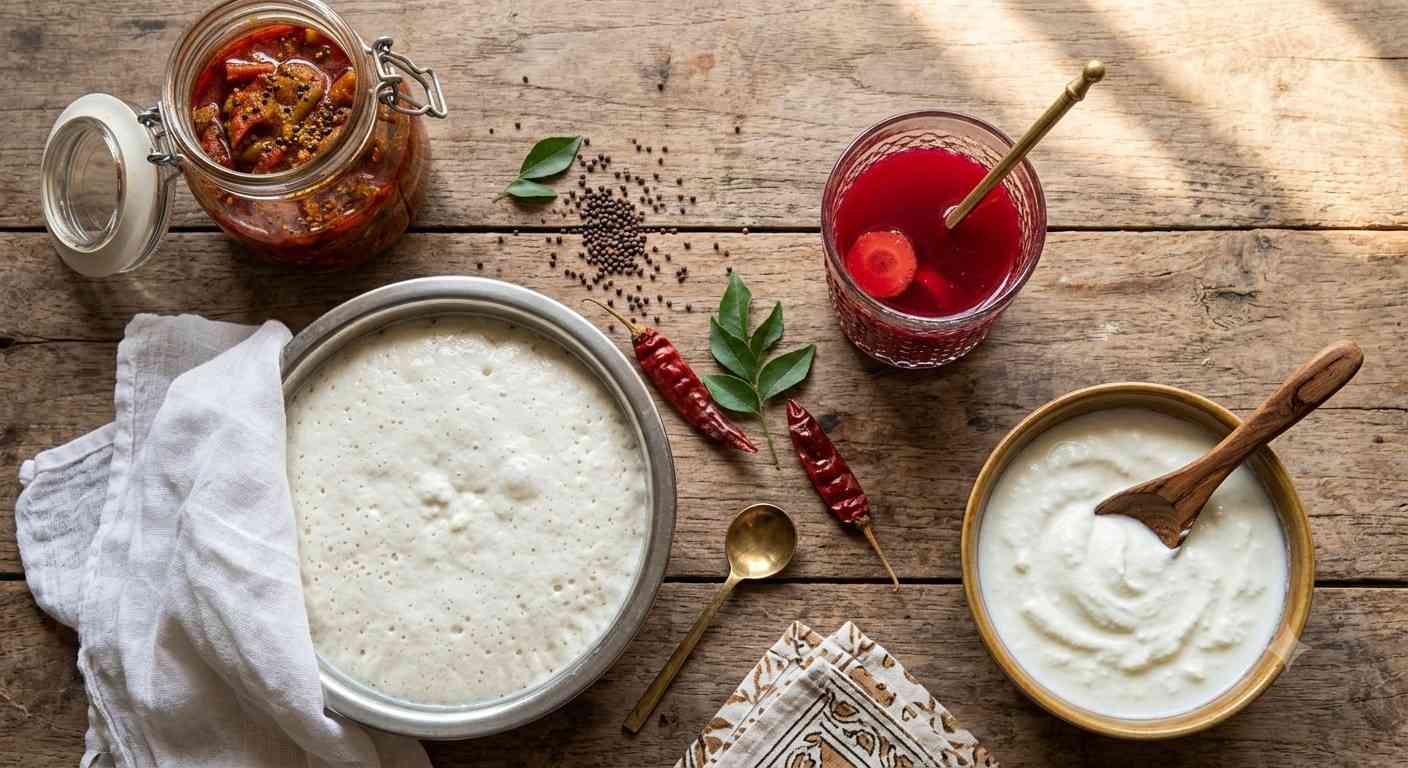
- Fibre - the most important dietary factor: Multiple studies have identified dietary fibre as the single most important nutritional variable for gut microbiome health. Fibre feeds the bacteria that produce short-chain fatty acids - compounds that reduce inflammation, support the gut lining, regulate immune function, and influence brain chemistry. The traditional Indian diet - dal, vegetables, whole grains, fruit - is naturally high in fibre when eaten as designed. The processed, refined-grain heavy eating patterns of modern Indian cities produce significantly less
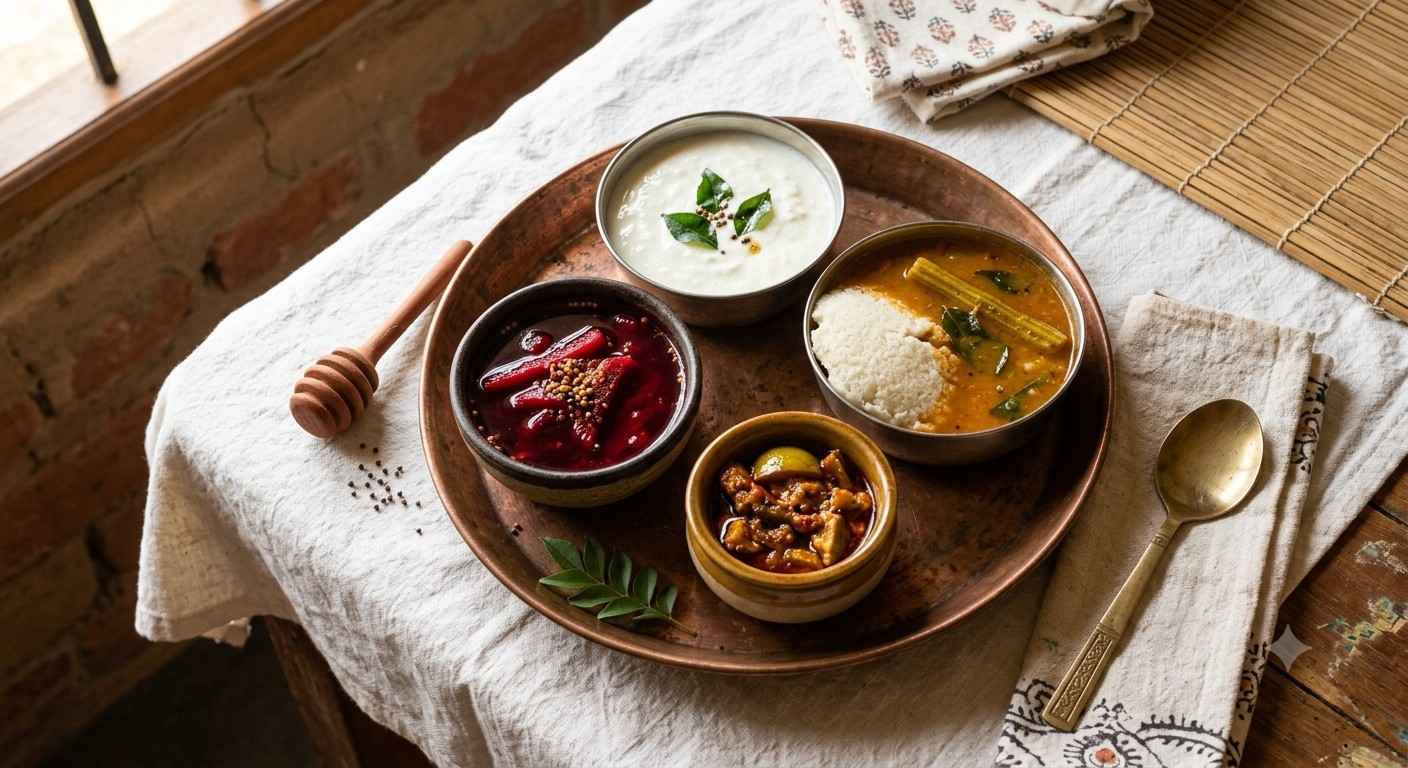
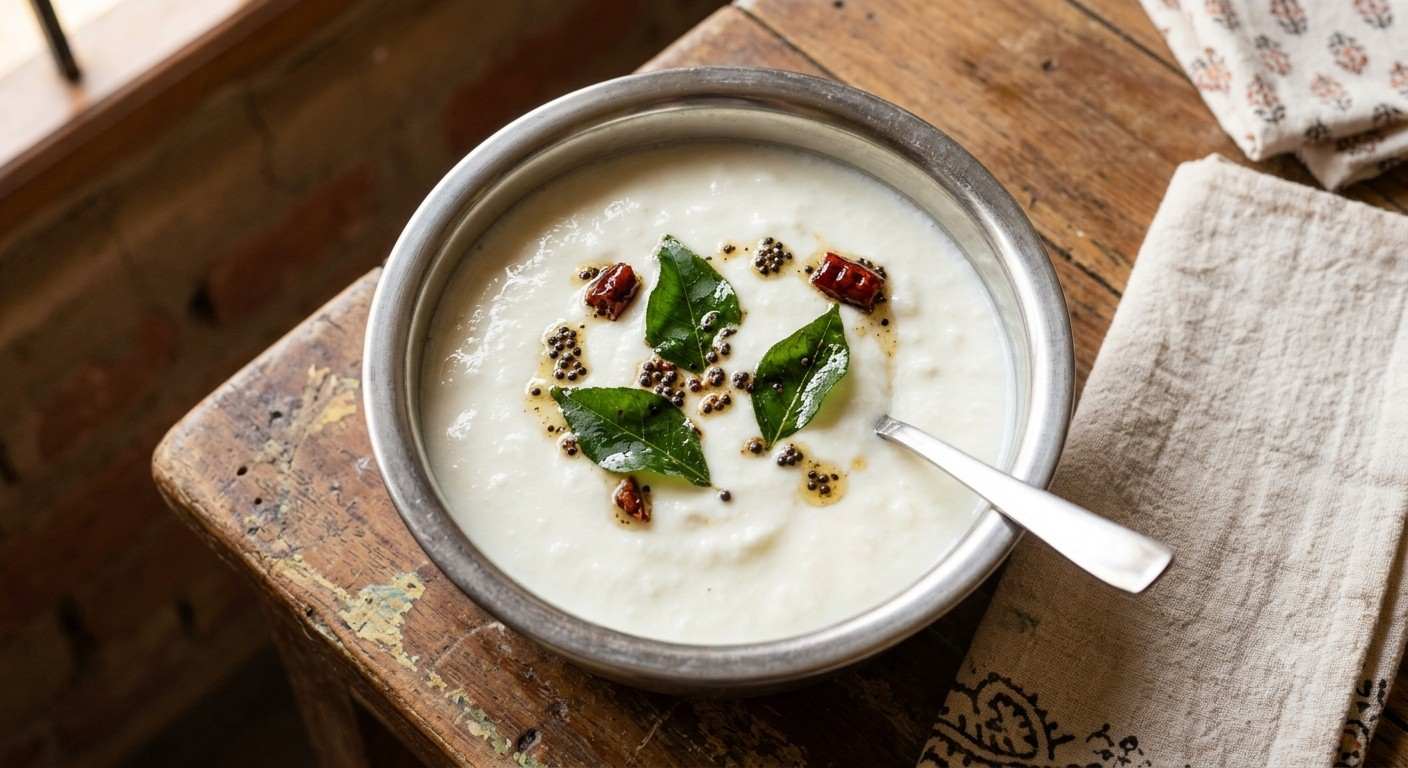
- Fermented foods - natural probiotics: Fermented foods contain live microorganisms that contribute to microbiome diversity. The traditional Indian diet includes several excellent fermented foods: curd (dahi), buttermilk (chaas), idli and dosa (fermented rice and lentil batters), and various regional fermented preparations. These foods have been part of Indian eating for thousands of years - long before the word probiotic was coined. Eating curd daily - a practice common in Indian households across generations - is one of the most effective and accessible ways to support gut microbiome health. The lactobacillus bacteria in curd are among the most studied and best-evidenced probiotic species available.
- Diversity of plant foods: Research consistently shows that microbiome diversity - which correlates with better health outcomes - is best supported by eating a wide variety of plant foods. The specific recommendation from the American Gut Project (one of the largest microbiome studies conducted) is 30 or more different plant foods per week. This includes vegetables, fruits, legumes, whole grains, nuts, seeds, and herbs and spices.
- The Indian spice tradition - which integrates dozens of different plant-derived compounds into everyday cooking - supports this diversity in ways that are not fully captured by standard nutritional analysis. Turmeric, ginger, cumin, coriander, black pepper, cardamom, and other spices each contain bioactive compounds that research has shown to support gut health and reduce inflammation.
- Adequate water intake: The gut lining requires adequate hydration to function as a barrier. Dehydration reduces mucus production, impairs gut motility, and stresses the microbiome. Warm water - as discussed in our traditional morning habits guide - is particularly effective for supporting gut motility and the morning digestive process.
The Traditional Indian Diet as Gut-Healthy Diet
Looking at the traditional Indian diet through the lens of gut health reveals why it produced the health outcomes it did - and why modern departures from it have coincided with rising rates of digestive issues, inflammatory conditions, and mental health challenges in urban India.
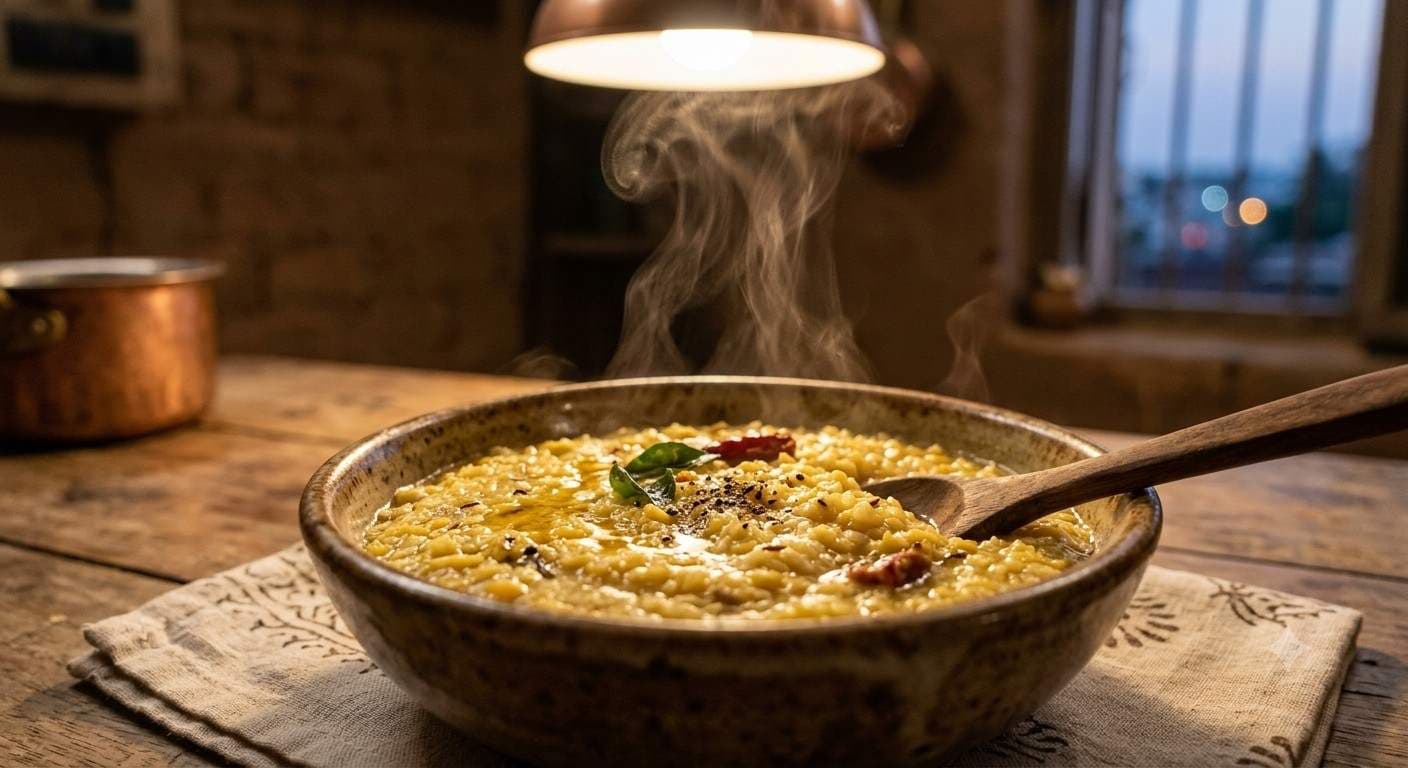
- Dal daily provides protein, fibre, and prebiotic compounds that feed beneficial gut bacteria.
- Curd with every meal provides live probiotic cultures that contribute to microbiome diversity.
- A wide variety of vegetables and legumes provides the dietary diversity that supports a rich, varied microbiome.
- Whole spices in cooking provide bioactive plant compounds with anti-inflammatory and gut-supporting properties.
- Fermented preparations - idli, dosa, kanji, various regional fermented dishes - add live cultures and increase bioavailability of nutrients.
- Warm, cooked food - the preference in most Indian culinary traditions - is easier to digest than cold, raw food, particularly for people with compromised gut function. The cooking process begins the breakdown of food components, reducing the digestive burden on the gut.
- The traditional Indian diet is not just culturally significant. It is, when examined through modern nutritional science, one of the most gut-health-supportive dietary patterns that has evolved anywhere in the world.
A Practical Starting Point
If gut health is something you want to actively support, the most impactful starting actions are:
- Eat curd daily: Plain, full-fat curd - not flavoured or low-fat varieties. One small bowl with a meal provides consistent probiotic intake.
- Increase fibre from whole foods: Dal at least once a day. A variety of vegetables. Whole grain where possible over refined. These alone produce measurable microbiome improvements within weeks.
- Reduce ultra-processed food: Not eliminate - reduce. Every meal that replaces a processed option with a home-cooked one is a positive microbiome intervention.
- Eat more variety: Each week, aim to eat one vegetable, grain, or legume you haven't eaten recently. Variety is the variable most directly associated with microbiome diversity.
What you eat shapes everything about how you feel - including how you think. Read our guide on the morning eating habits that set your day up right and how rest and recovery connect to physical health.
“Disclaimer: This content was created with AI assistance and reviewed before publication. It is for informational purposes only and not professional medical, nutritional, legal, or financial advice.”