Most people make most of their daily decisions reactively. Something arrives a request, an opportunity, a choice and the response emerges from a combination of habit, immediate feeling, social pressure, and whatever mental state the current moment happens to produce. There is rarely a deliberate filter. There is rarely a clear principle being applied.
This is not a character flaw. It's the natural result of a life that moves faster than deliberate thinking can track. There are dozens of small decisions in a day, and applying careful analysis to each one would be exhausting and impractical.
But there are decisions - recurring ones, important ones, the ones that shape how time is spent and what accumulates over months and years - where a simple, consistent filter produces measurably better outcomes than reactive response. One question functions as that filter. It takes two seconds to apply. And it has a disproportionate effect on the quality of decisions made over time.
The Decision Problem Most People Have

The problem with most people's decision-making isn't intelligence or information. It's the absence of a clear reference point.
Without a clear sense of what you're optimising for what kind of life you're trying to build, what kind of person you're trying to be, what actually matters to you every decision becomes a freestanding calculation. Should you take on this new project? Should you go to this event? Should you buy this thing? Should you spend this weekend this way?
Each decision is evaluated in isolation, against whatever feels most compelling in that moment. The result is a life that accumulates through momentary choices rather than being built toward anything in particular.
The people who consistently make decisions they don't regret tend to have something others don't: a clear, internalised sense of what they're building. They evaluate choices not just against immediate appeal but against a longer-term standard - does this fit the life I'm actually trying to live?
The Question
"Does this move me toward or away from the life I actually want?"
That's it. Two seconds to ask. Significant in what it surfaces. The question works because it bypasses the momentary frame - the immediate appeal, the social pressure, the sunk cost and connects the decision to a longer-term reference point. It forces a comparison between the immediate choice and the actual direction you want to be moving.
It doesn't require a detailed life plan. It doesn't require clarity about every aspect of what you want. It requires only a sufficient sense of direction a general orientation toward the kind of life you're trying to build against which a choice can be evaluated. For most people, this sense of direction already exists. It's just not being consulted at the moment of decision.
Why This Question Works

- It shifts from short-term to long-term frame. Most poor decisions look fine in the short-term frame and problematic in the long-term one. An extra commitment looks manageable this week and exhausting over the next three months. A purchase looks appealing today and unnecessary next month. The question forces the longer frame.
- It bypasses social pressure. Many decisions are made primarily in response to what someone else wants, expects, or will think. The question redirects attention from external pressure to internal direction. Whether accepting a commitment moves you toward or away from the life you want is independent of whether the person asking will be pleased.
- It surfaces values conflicts. Sometimes the question reveals a genuine conflict this choice serves one value at the expense of another. This isn't a problem with the question; it's the question doing its job. A values conflict surfaced and examined is better than one that operates unconsciously.
- It's fast enough to be practical. The question doesn't require extended deliberation. In most cases, the answer arrives quickly because the body and deeper intelligence often know the answer before the analytical mind has constructed a justification. The feeling of immediate clarity on one side, or the slight resistance on the other, is the answer. The question creates the space for that response to be heard.
Applying It Across the Three Areas

- In what you wear and buy: Does buying this move me toward or away from the wardrobe and the relationship with material goods that I actually want? This question is particularly useful for impulse purchases. The impulse has immediate appeal. The question asks whether it serves the actual vision: a coherent, considered wardrobe of things that genuinely work rather than an accumulation of momentary attractions.
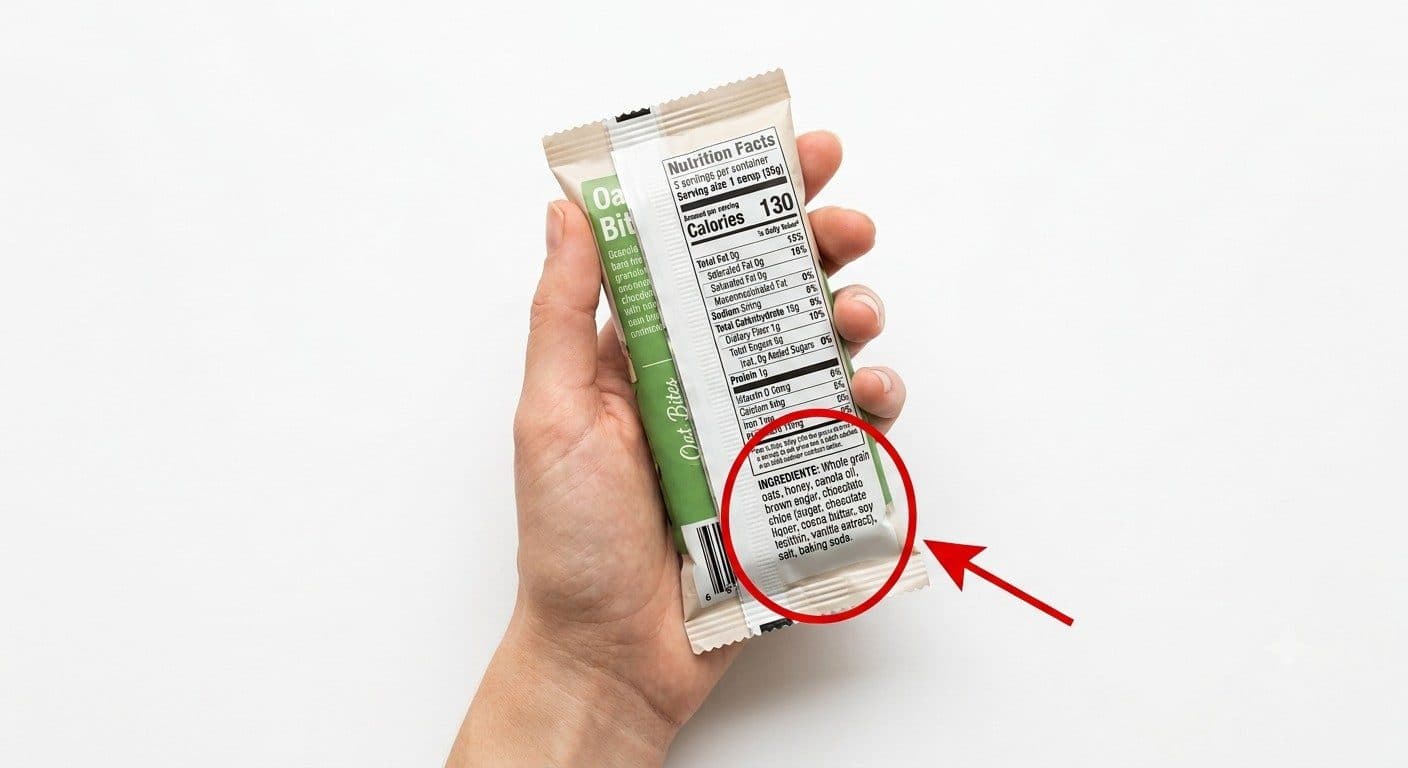
- In what you eat: Does eating this move me toward or away from how I actually want to feel? This is not a dietary restriction question it's a values question. There are meals that are purely for pleasure and that's fine. The question isn't a morality filter; it's a clarity filter. Sometimes eating the thing is exactly right. Sometimes the question reveals that the impulse is driven by stress or habit rather than actual desire.
- In how you live - how you spend time: Does accepting this commitment move me toward or away from the kind of day, week, life I'm actually trying to build? This is the most valuable application. The commitments that make a life overextended and reactive are rarely forced on people - they're chosen, one by one, without a clear principle for what belongs and what doesn't. The question provides the principle.
The Deeper Practice
The question works best when it's grounded in something real a genuine sense of what you're building, however loosely defined.
This doesn't require a formal life plan or a set of written goals. It requires only that you have occasionally sat with the question of what actually matters to you what kind of days you want to have, what you want to have built by some future point, what you'd want to be true of how you spent your time.
The clarity doesn't need to be complete or permanent. It just needs to be sufficient to create a reference point against which choices can be evaluated. The evening ritual explored in our evening reset guide - writing one priority for tomorrow - is one way of regularly refreshing this reference point. It keeps the sense of direction current and active rather than theoretical
The Filter for the Month

As we reach the end of two months of Arohm content covering what to wear, what to eat, and how to live this question is perhaps the cleanest summary of what all of it has been pointing toward.
Every guide on this site is an application of the same underlying question: does this choice move you toward or away from the life you actually want?
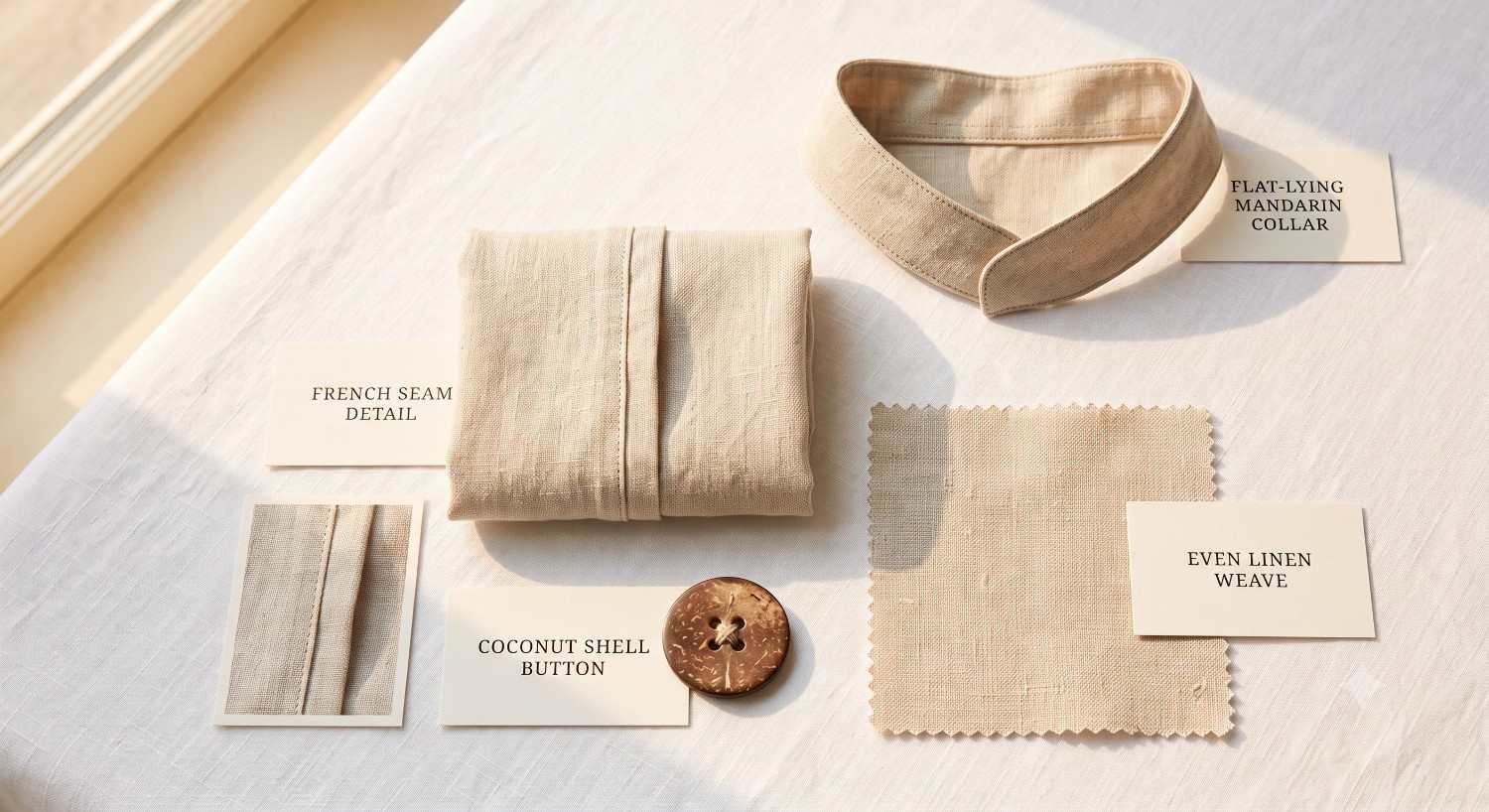
Natural fabric over synthetic, home cooking over delivery, genuine rest over passive scrolling, a focused hour over a scattered day each of these is a small decision that, evaluated through the question, produces a clear answer.
None of these decisions is momentous on its own. Accumulated daily over months and years, they are the life. The question isn't about perfection. It isn't about making the ideal choice every time. It's about having a direction a consistent orientation against which the choices of each day can be calibrated.
With a direction, decisions become simpler. Without one, they accumulate through habit and circumstance into a life that nobody quite chose. Two months of content. One underlying question. Start wherever you are with what you wear, what you eat, or how you live. The direction matters more than the starting point.
“Disclaimer: This content was created with AI assistance and reviewed before publication. It is for informational purposes only and not professional medical, nutritional, legal, or financial advice”