The average person packs significantly more than they need for a weekend trip. This is almost universal - a study of packing behaviour found that travellers use approximately 60% of what they pack on trips of three days or fewer. The remaining 40% travels the entire journey without leaving the bag.
The consequences are more than just a heavy bag. Every item packed represents a potential decision - what to wear when. A bag full of options is a bag full of morning decision fatigue in a context where you're already managing unfamiliar logistics, schedules, and environments.
The minimal travel wardrobe doesn't mean packing too little. It means packing exactly enough - chosen deliberately so that everything works together and every item earns its place.
Why Natural Fabric Is the Ideal Travel Fabric
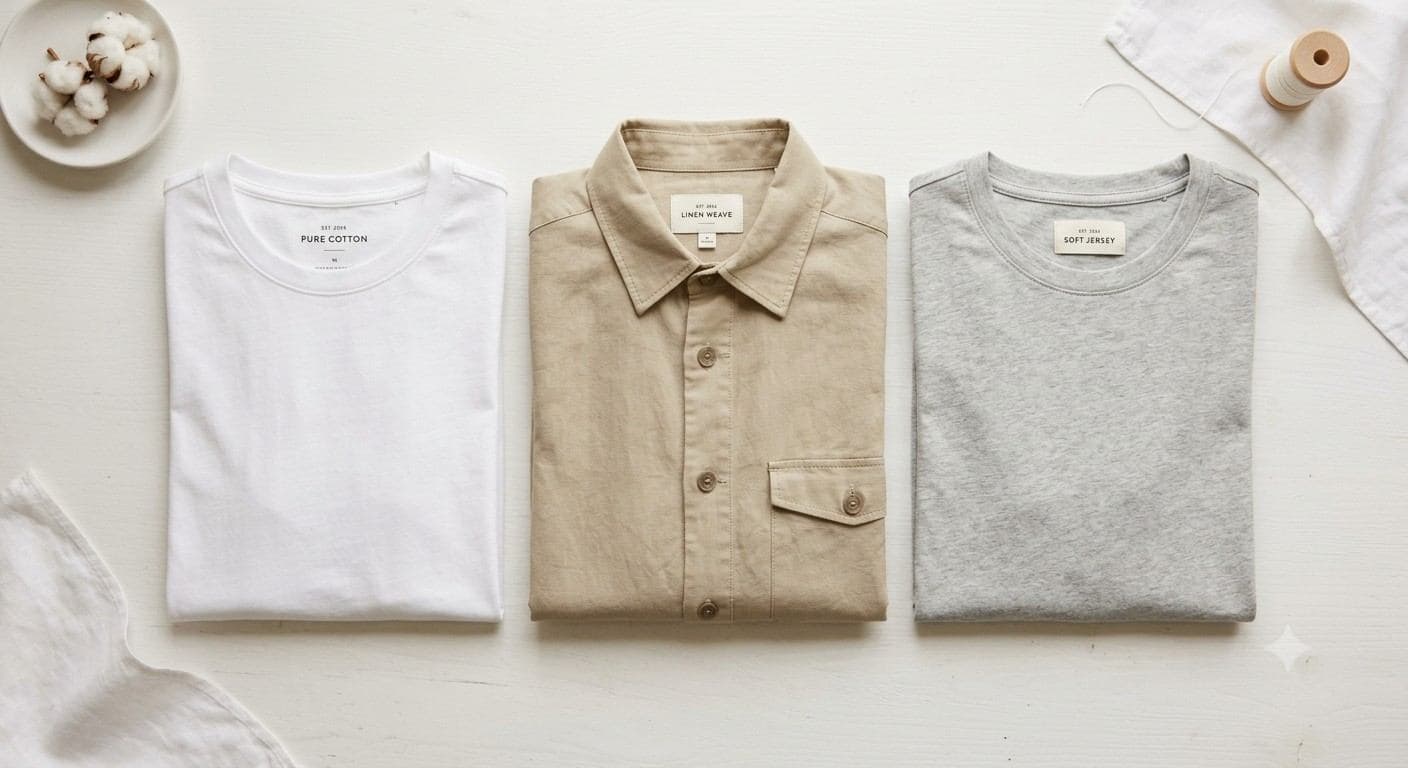
Before getting to the specific pieces, it's worth understanding why natural fabric outperforms synthetic fabric for travel - specifically.
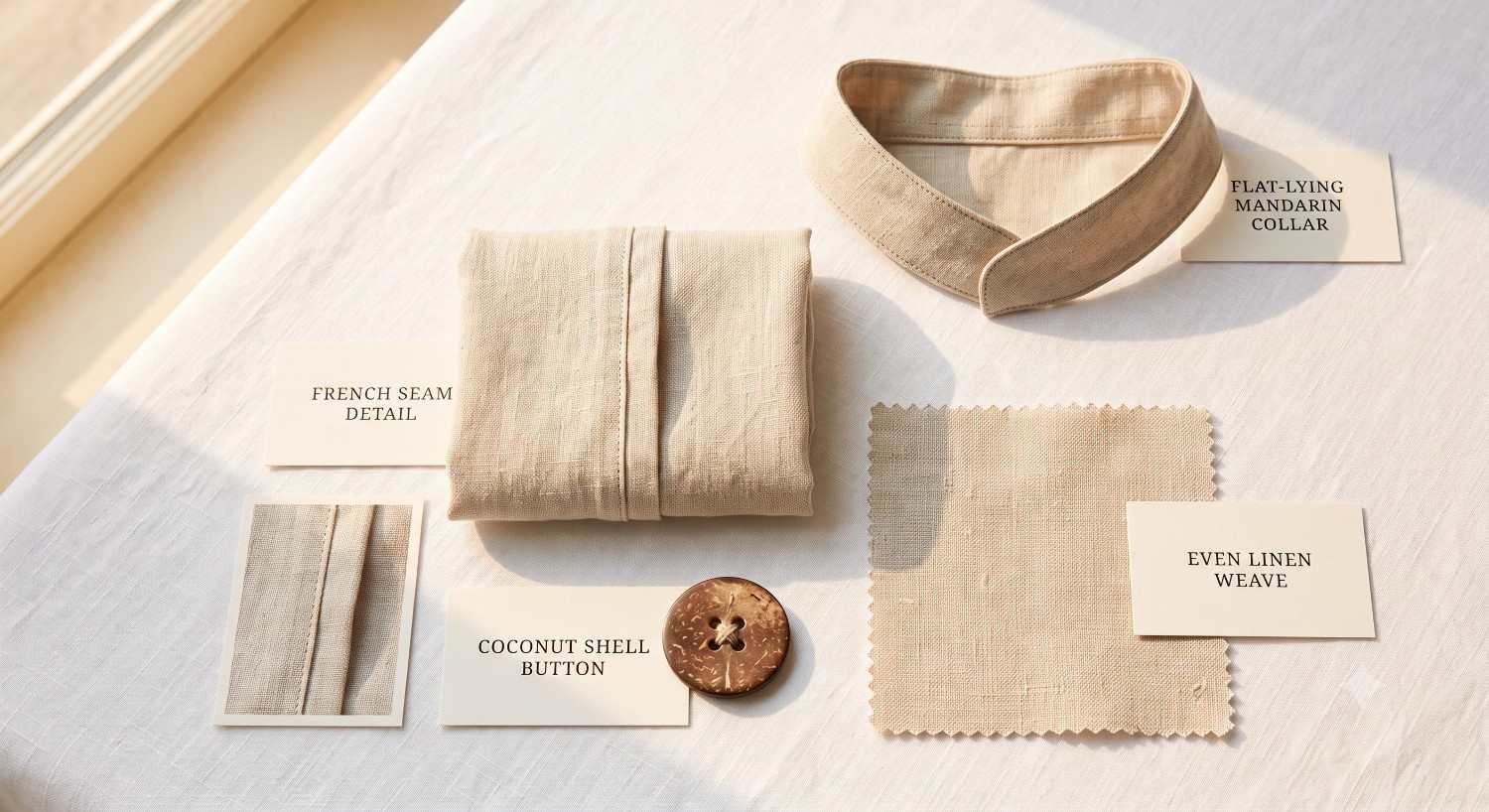
- Breathability across contexts: Travel typically involves transitions between very different environments - an air-conditioned train or flight, outdoor activities, restaurant interiors, warm weather exploration. Natural fabric - linen, cotton, hemp - handles these transitions better than synthetics because it genuinely regulates temperature rather than simply trapping whatever the ambient temperature is.
- Odour resistance: Hemp in particular has natural antimicrobial properties that resist odour-causing bacteria. A hemp or hemp-cotton blend shirt worn for a full day of travel in warm conditions performs significantly better than a synthetic equivalent. This matters when you're travelling light and re-wearing pieces.
- Packability without wrinkle anxiety: This sounds counterintuitive given linen's reputation for wrinkling - but the key insight is that linen wrinkles are part of its character, not a defect. A linen shirt packed in a bag and worn wrinkled looks intentional and relaxed. A synthetic shirt packed in a bag and worn wrinkled looks simply neglected. The aesthetic of natural fabric absorbs travel better.
- Lightweight: High-quality natural fabric pieces - particularly linen and light cotton - are lighter than many synthetic travel fabrics while providing better real-world performance. A lightweight linen shirt weighs less than a synthetic "quick-dry" travel shirt and outperforms it in every condition except one: it doesn't dry in 30 minutes. In most travel contexts, this isn't a relevant difference.
The 3-Day Weekend Wardrobe - 7 Items
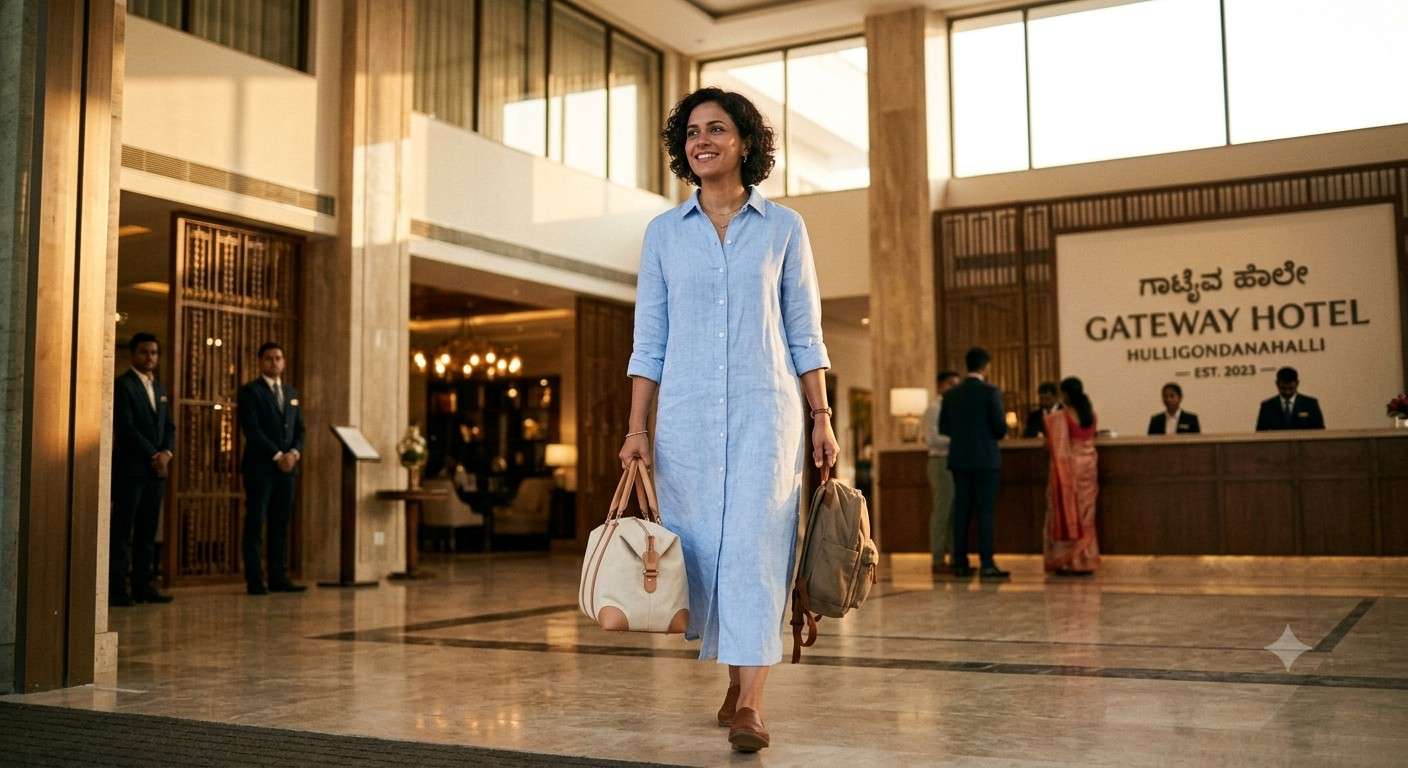
This list covers a three-day trip with one casual dinner, one active day, and varied weather. Everything combines with everything else.
- Item 1: Two natural fabric shirts in neutral tones
The foundation of the travel wardrobe. One lighter tone (white or cream) and one mid-tone (light grey or pale blue). Both in linen, cotton, or hemp blend. These are the most-worn items of the trip - they combine with every bottom and layer option.
- Item 2: One pair of dark, versatile trousers or chinos
Dark chinos or well-fitted trousers in navy or dark green serve equally well for a daytime outing, a restaurant dinner, and a casual evening. Not jeans - they're heavier, take longer to dry, and are less versatile than a well-chosen cotton or linen trouser.
- Item 3: One pair of comfortable shorts or casual trousers
For active daytime use, beach, or relaxed exploration. In natural fabric cotton twill or linen. These pair with both shirts and take almost no bag space.
- Item 4: One versatile layer
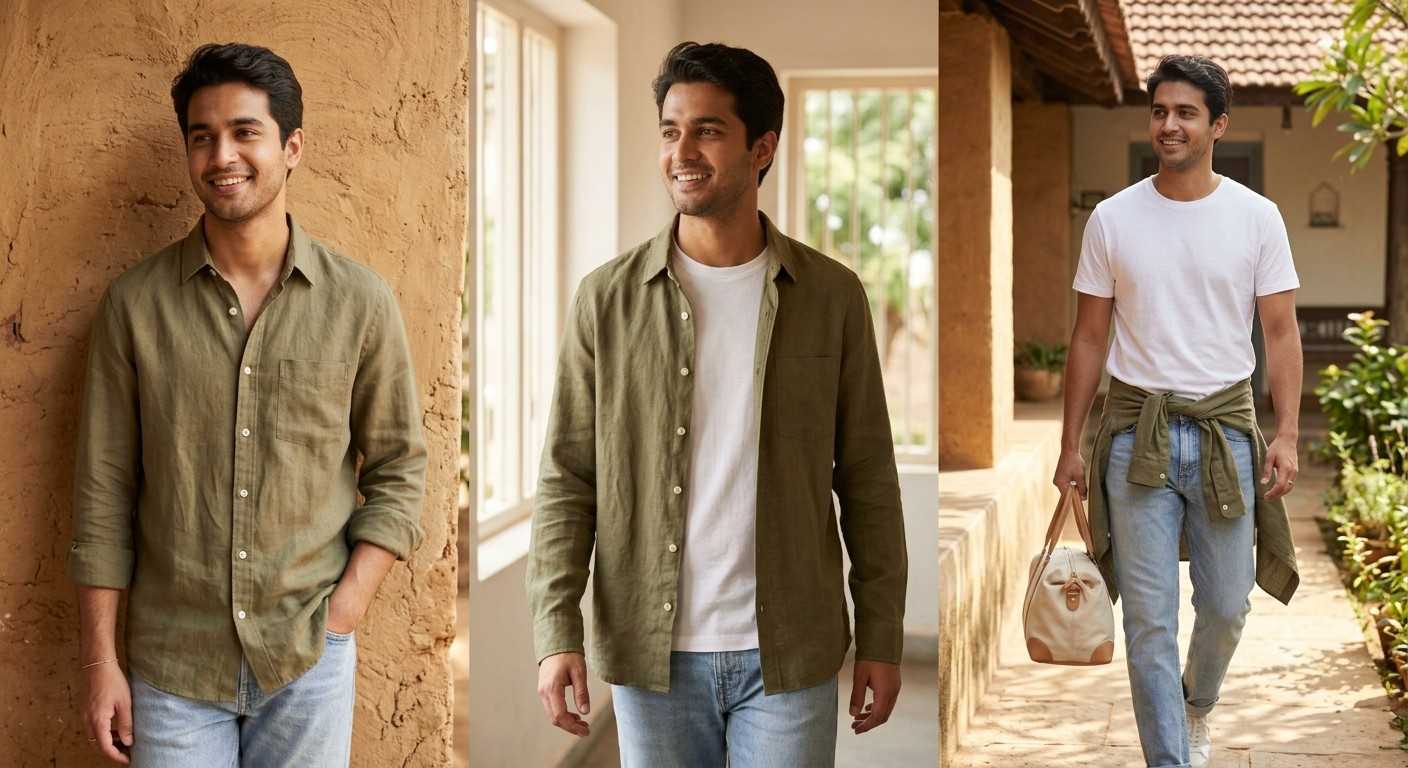
A light cotton overshirt or unstructured linen jacket in a neutral tone. This serves as a layer in air-conditioned spaces, a cover for a casual evening, and a practical shield against variable weather. One layer in a neutral tone works over every other item in the bag.
- Item 5: One pair of versatile shoes
Clean leather or canvas sneakers, or well-made leather sandals. One pair that works from walking to dinner. The biggest mistake in travel packing is bringing multiple shoes - they're heavy, they take space, and in practice, most people wear one pair for most activities.
- Item 6: Underwear and socks for the trip duration
The only items that require one-per-day. Merino wool or cotton both wash and dry quickly if needed.
- Item 7: One sleepwear item
A lightweight cotton t-shirt or simple shorts. Doubles as a base layer if needed.
The Combination Logic
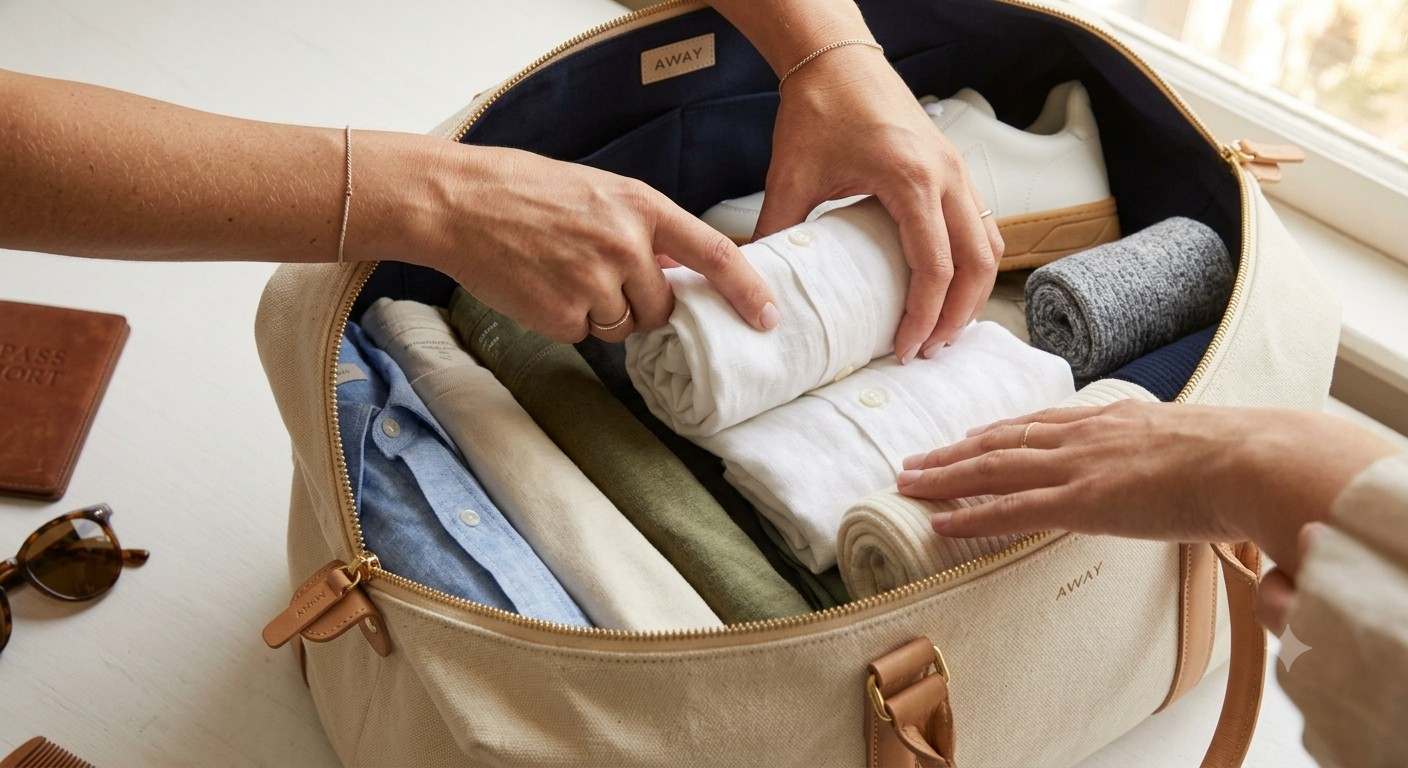
The reason this works is combination logic - every item in the bag must work with at least three other items.
- Light shirt + dark chinos + layer = smart casual dinner
- Light shirt + shorts + sandals = casual daytime
- Mid-tone shirt + dark chinos + clean sneakers = versatile day-to-evening
- Mid-tone shirt + shorts + sneakers = active day
- Layer alone over either shirt = a complete third outfit at no additional packing cost
Seven items produce more than ten functional combinations. This is significantly more than a bag packed with 15 items that were chosen individually without combination logic - which often produces fewer wearable outfits because the pieces don't connect.
Packing Technique
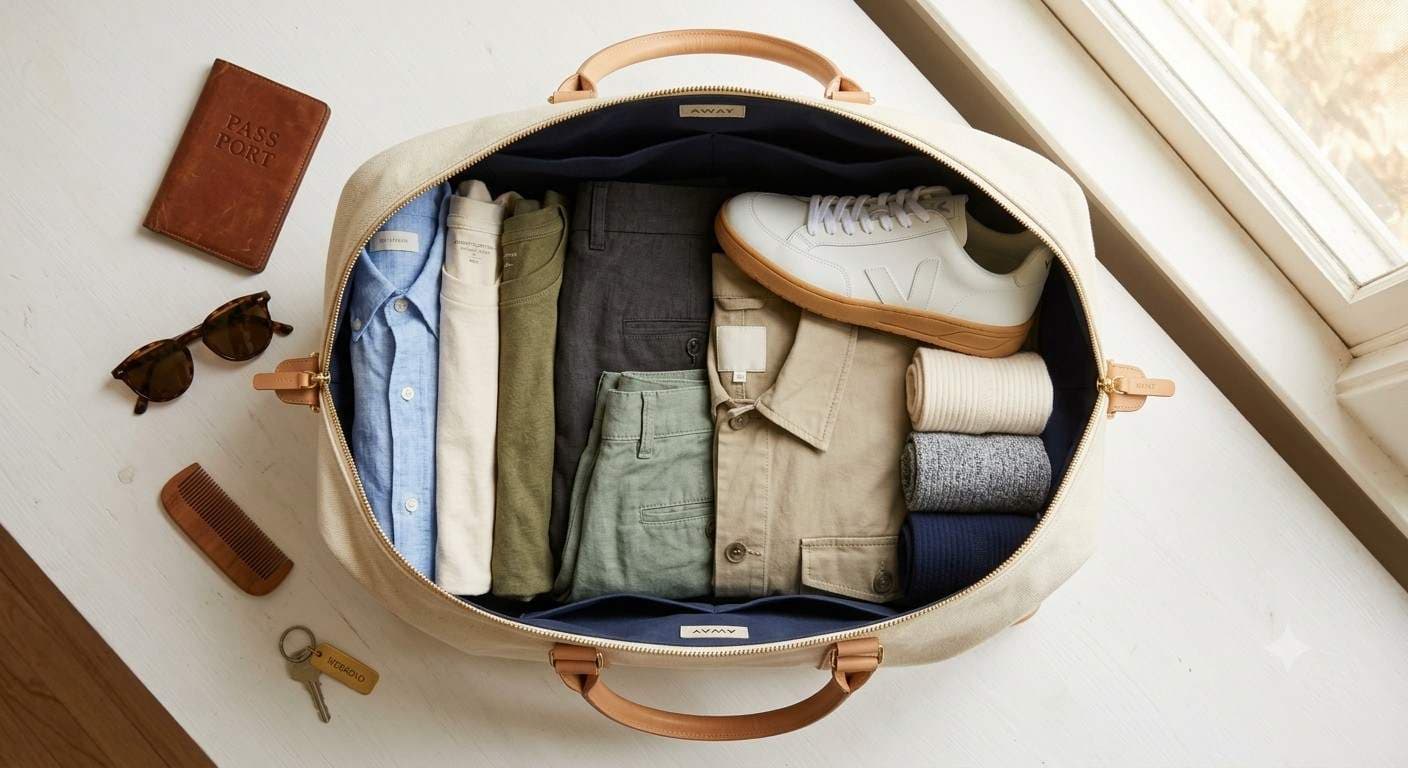
- Roll, don't fold: Rolling natural fabric pieces rather than folding them reduces wrinkles, compresses more efficiently, and makes items easier to find in a bag.
- Pack shoes in a bag inside the main bag: This prevents sole dirt contaminating clothing and keeps the bag organised.
- Use the shoes as extra storage: Socks rolled inside shoes take zero additional space.
- Lay out every item before packing: This forces a decision about each piece - is it earning its place? The items left on the bed after this process are usually the right ones to leave behind.
- Pack the layer last, on top: It's the first item you reach for when stepping off an air-conditioned transport. Having it accessible prevents the entire bag being unpacked at the wrong moment.
The Day-Before Check
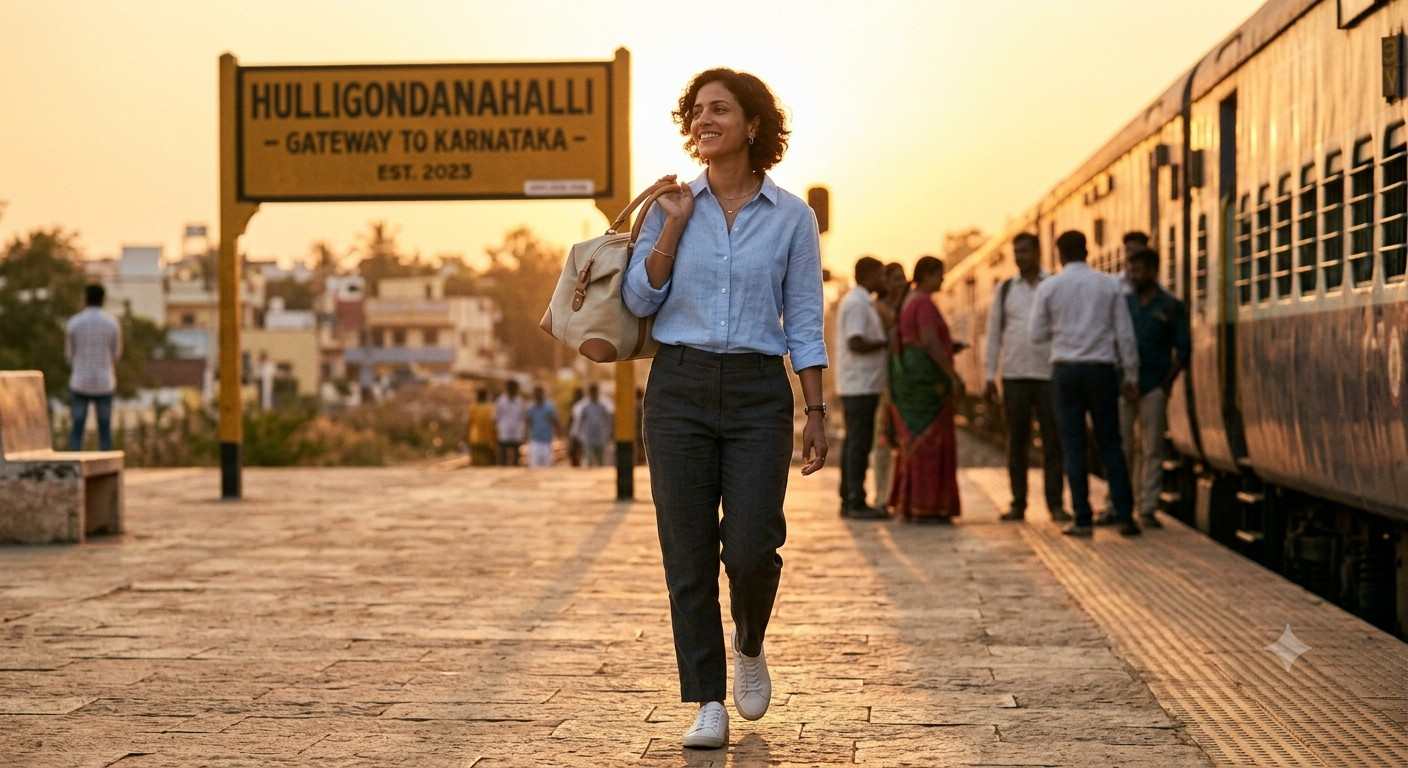
The evening before a trip is the right time to pack - not the morning of. Packing in the morning means packing under time pressure, which means packing more than necessary as a hedge against uncertainty.
Packing the evening before, with a clear head and no departure anxiety, allows for calm decisions about what's genuinely needed and what's being included out of habit.
The minimal travel wardrobe is built the same way as a minimal home wardrobe: deliberately, in advance, with combination logic guiding every choice.
What to Leave Behind
- Multiple options "just in case": The just-in-case item is the primary driver of overpacking. A second formal outfit for the dinner you might get invited to. A third pair of shoes for the occasion that might arise. These items cover hypothetical situations that almost never materialise while adding real weight to every actual situation.
- Items that only work alone: Any piece that only combines with one other item in the bag fails the three-combination test and should be left behind.
- Bulky casual items: A thick hoodie, heavy jeans, multiple layers - these take disproportionate space relative to their function. A single good quality linen overshirt provides more warmth per gram and more versatility per unit of bag space than almost any heavy casual alternative.
“Disclaimer: This content was created with AI assistance and reviewed before publication. It is for informational purposes only and not professional medical, nutritional, legal, or financial advice. ”