It's 8am. You have to leave in thirty minutes. You're standing in front of your wardrobe and the thought arrives with complete conviction: there is nothing to wear. This feeling is almost universally familiar. It's also almost universally inaccurate. The wardrobe in front of you almost certainly contains something — probably several things — that would work perfectly well for the day ahead. The problem isn't scarcity. It's the inability, in that specific moment, to see what's there. Here's why that happens — and a five-minute approach to fixing it without buying anything new.
Why You Feel Like You Have Nothing to Wear

The "nothing to wear" feeling typically has one of three causes — and identifying which one applies to you makes the solution obvious. Cause 1: Decision fatigue at the wrong time. You're trying to make a style decision at the moment of maximum tiredness and time pressure — first thing in the morning. The combination of a cluttered wardrobe, insufficient time, and an under-prepared brain produces paralysis. This isn't a wardrobe problem. It's a timing problem. Cause 2: Wardrobe incoherence. You have many clothes, but they don't work together. Impulse purchases made in different moods, for different versions of yourself, in different colour palettes — none of which naturally combine. Every combination feels either boring or wrong. Cause 3: A mismatch between what you own and where you're going. You have casual clothes for weekends and a few formal pieces for special occasions — but nothing that bridges the gap for the reality of most actual days. The middle ground of smart-casual, relaxed-but-intentional dressing is where most people's wardrobes have the biggest gap. Understanding which cause applies to you determines the fix.
The 5-Minute Morning Fix
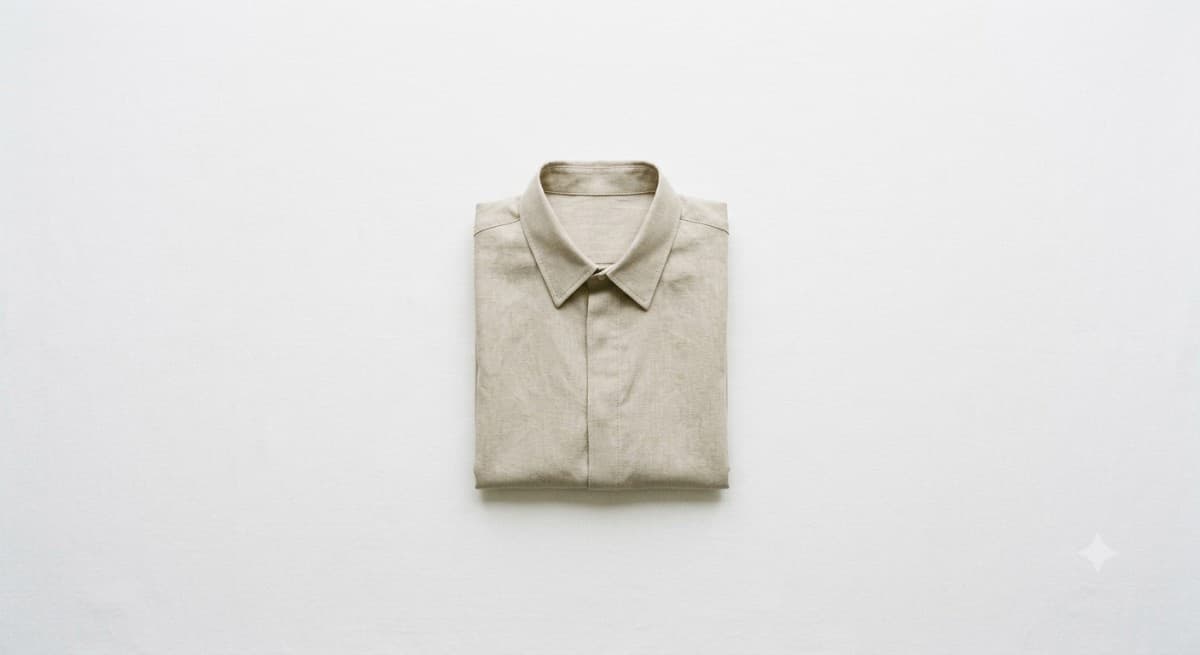
This isn't about buying new clothes or overhauling your wardrobe. It's about getting dressed this morning, with what you already have, in a way that feels right. Step 1: Start with the piece you feel most like wearing. (30 seconds) Not the most appropriate piece, the most practical piece, or the piece you've been meaning to wear. The piece you actually want to put on — the one your eye goes to first. This is the anchor. Everything else is built around it. Starting with obligation ("I should wear this") almost always produces an outfit that feels like a compromise. Starting with genuine preference — even if it's just a comfortable shirt — creates a foundation you feel good in. Step 2: Pick bottoms that contain one colour from the top. (60 seconds) You don't need to match. You need to connect. If the shirt has navy in it, a navy or dark blue trouser connects. If the shirt is plain white, almost any solid dark trouser works. If the shirt is a warm neutral — beige, cream, tan — a khaki or olive trouser is a natural partner. The eye reads connection as intention. One shared colour or tone between top and bottom makes an outfit look considered rather than random. Step 3: Resolve the third element — the layer or the shoes. (60 seconds) An outfit of two pieces — top and bottom — works. An outfit with a third element — a jacket, an overshirt, a cardigan, or a distinctive pair of shoes — looks more complete. The rule: the third element should connect to either the top or the bottom, not introduce a third competing tone. A grey blazer works over most neutral combinations. A clean white sneaker grounds almost any casual outfit. A leather sandal in a warm tan connects to warm-toned garments naturally. Step 4: The one-minute check. (60 seconds) Put it on. Look in the mirror — but look at the overall silhouette, not the individual pieces. Does it look like one outfit or three separate items? If the silhouette is clean — even if the individual pieces are simple — the outfit works. If something feels wrong, it's usually one of three things: the fit of one piece (something pulling, bunching, or sitting awkwardly), a contrast that's too jarring (a very bright piece fighting a very bold pattern), or a formality mismatch (a very casual piece with a very dressed-up piece). Address the one thing that's wrong. Usually it's a simple swap. Step 5: Stop deciding. (30 seconds) The outfit is done. Put on your shoes, leave the wardrobe, and move on with the morning. The most common extension of the "nothing to wear" problem is the continuation of decision-making after a workable outfit has been found. Changing one element introduces doubt. Doubt introduces more changes. Twenty minutes later, you're more frustrated and the first outfit was probably fine. Once the outfit passes the silhouette check, stop.
The Real Fix — Done Once, Not Every Morning
The five-minute approach solves this morning's problem. But if you're having this experience regularly, the underlying issue is worth addressing — once, properly, so you stop having it. The wardrobe edit. Spend one afternoon — not every day, just once — removing everything from your wardrobe that you haven't worn in the last twelve months, everything that doesn't fit properly, and everything you keep "just in case" but never actually choose. Put these in a bag and donate or store them. What remains is the wardrobe you actually use. Most people find that after this edit, their remaining clothes combine much more naturally — because what's left has been self-selected by actual use rather than accumulated by purchase. The colour audit. Look at what remains. What colours appear most often? These are your natural palette — the tones you're drawn to and that work for your skin tone, since you've been choosing them repeatedly. Build around these. Any new purchase should belong to this palette. The gap identification. Once you can see what you actually have, the real gaps become obvious — not imagined gaps filled by impulse purchases, but actual missing pieces. A reliable overshirt for layering. A pair of trousers that bridges casual and smart. One quality piece in a neutral you don't already have. These targeted additions — one or two pieces that fill genuine gaps — transform a wardrobe more than ten new impulse purchases.
The Outfit Formulas Worth Knowing
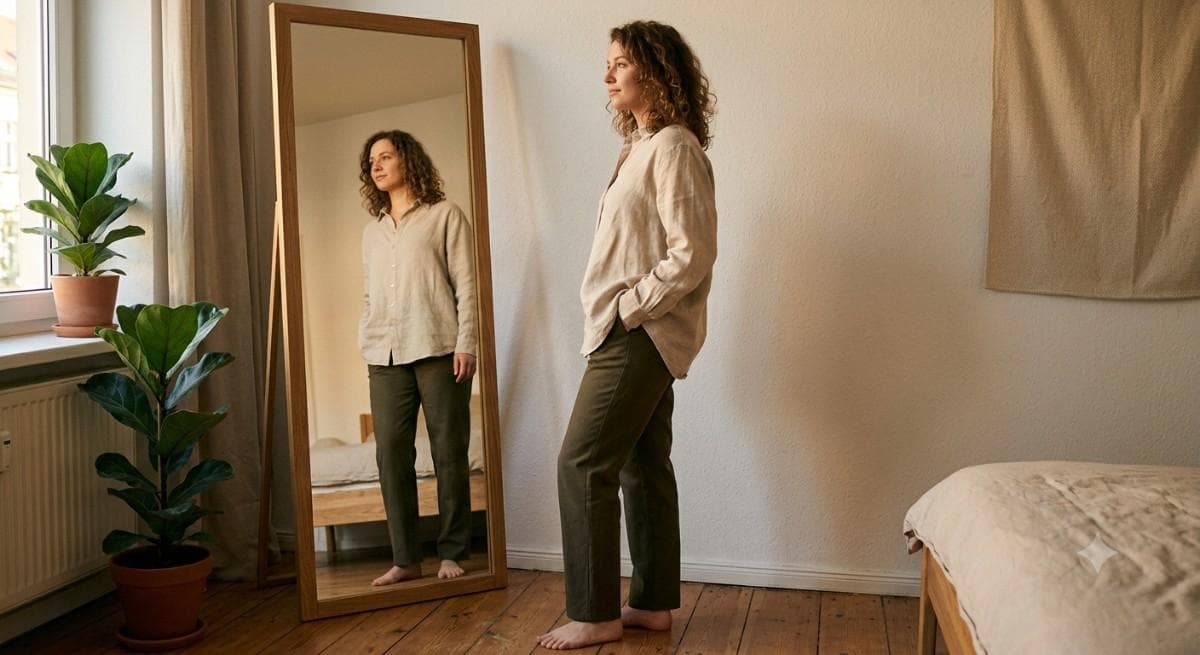
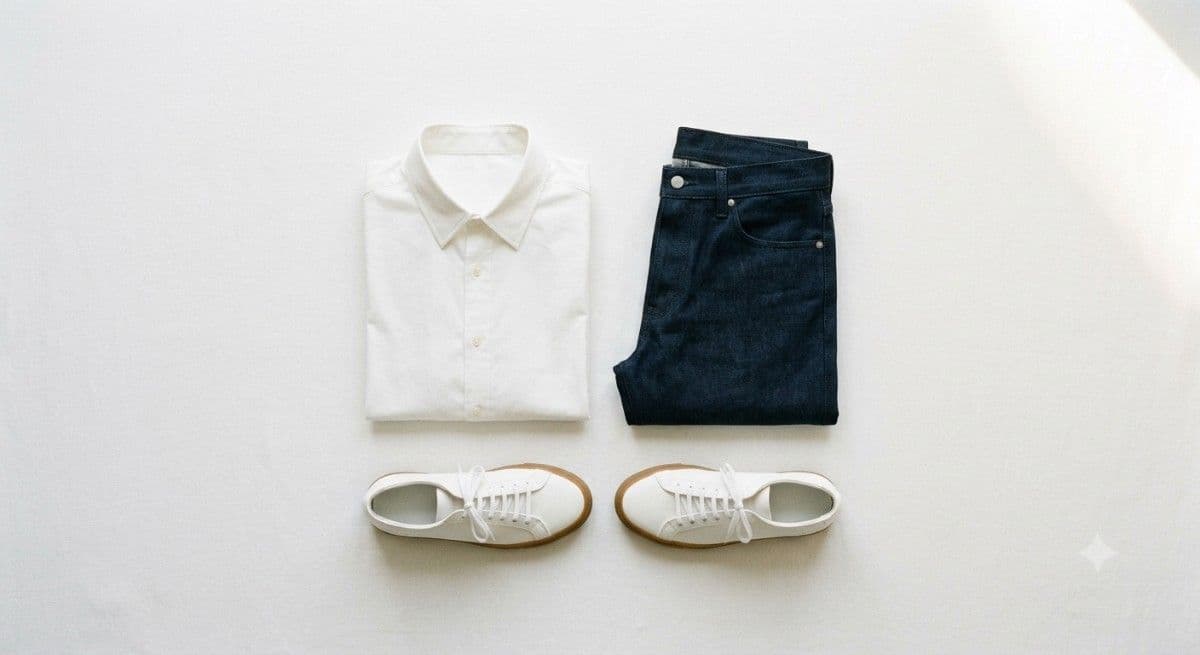
When nothing is suggesting itself, these combinations work for almost everyone: The reliable casual: Plain t-shirt or collarless shirt (white, cream, or grey) + dark straight-leg jeans or trousers + clean white sneakers. Add a layer if needed. The smart casual: Linen or cotton shirt in a neutral (beige, pale blue, white) + dark chinos or tailored trousers + leather sneakers or loafers. Works from a relaxed office to dinner. The single-colour ease: All one tonal family — a light linen shirt with slightly darker linen or cotton trousers in the same tone family. Works remarkably well and requires almost no thought. The anchor piece outfit: One slightly interesting piece — a shirt with texture, a trouser with a subtle check — with everything else completely plain. The interesting piece does the work; everything else supports it.
A Note on Natural Fabric and the Nothing-to-Wear Problem
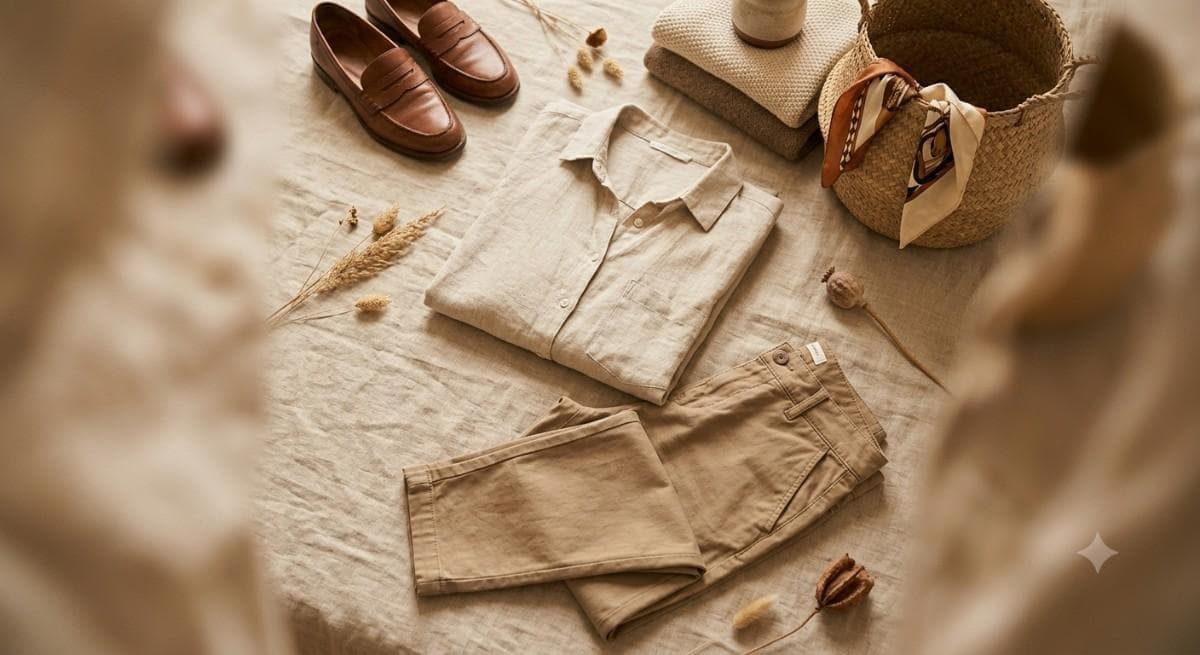
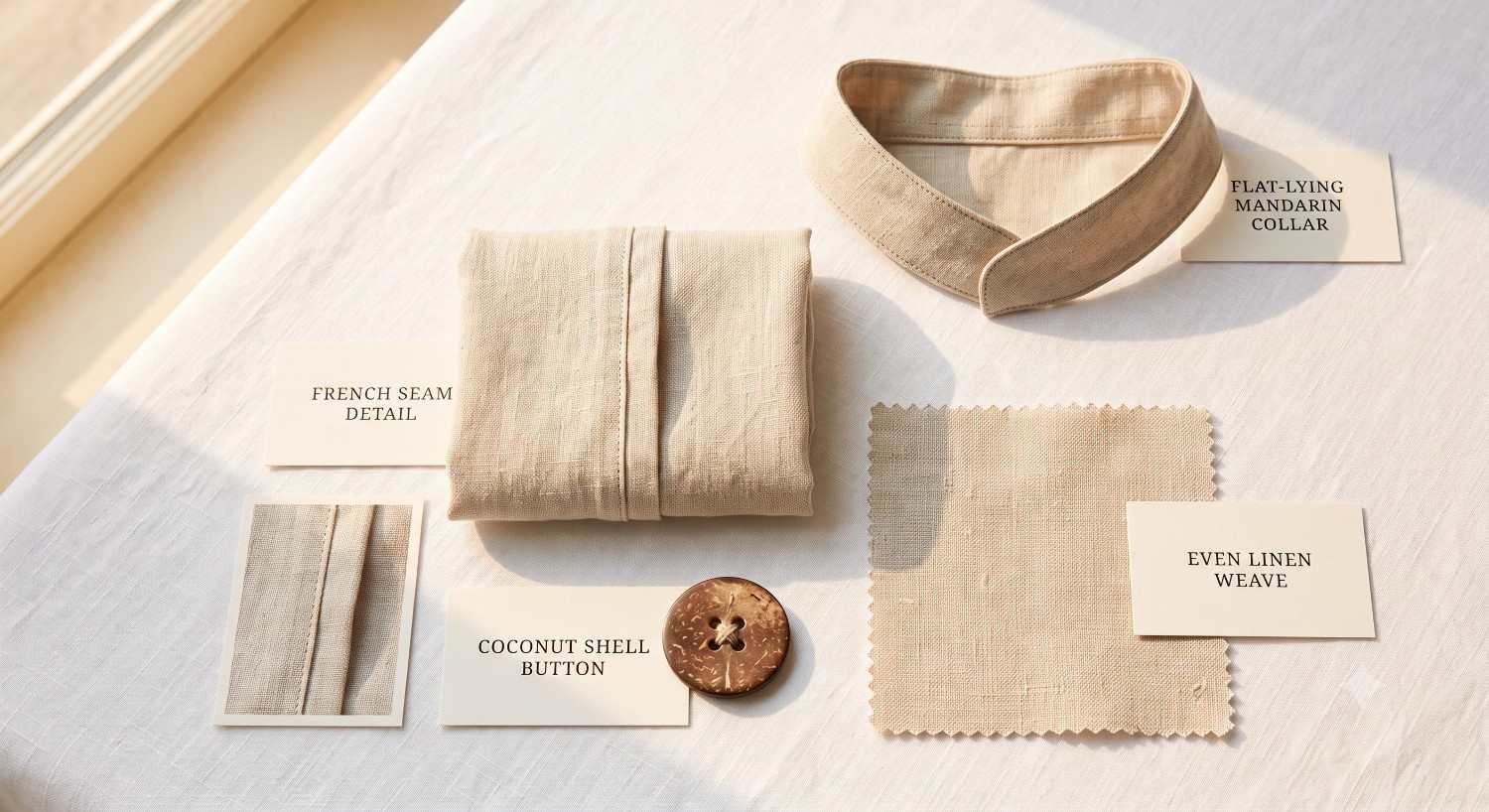
One consistent observation among people who move toward a smaller wardrobe of natural fabric pieces: the "nothing to wear" problem decreases significantly. Natural fabrics — linen, cotton, hemp — share a tonal warmth and texture that makes them naturally compatible with each other. A linen shirt and cotton trousers in similar natural tones look intentional together without any effort. The fabric quality elevates the simplest combination. This is one of the less-discussed practical benefits of choosing natural fabric and building a wardrobe around it — not just that individual pieces are better, but that the combinations almost always work. The palette is self-selecting.
“Disclaimer: This content was created with AI assistance and reviewed before publication. It is for informational purposes only and not professional medical, nutritional, legal, or financial advice.”