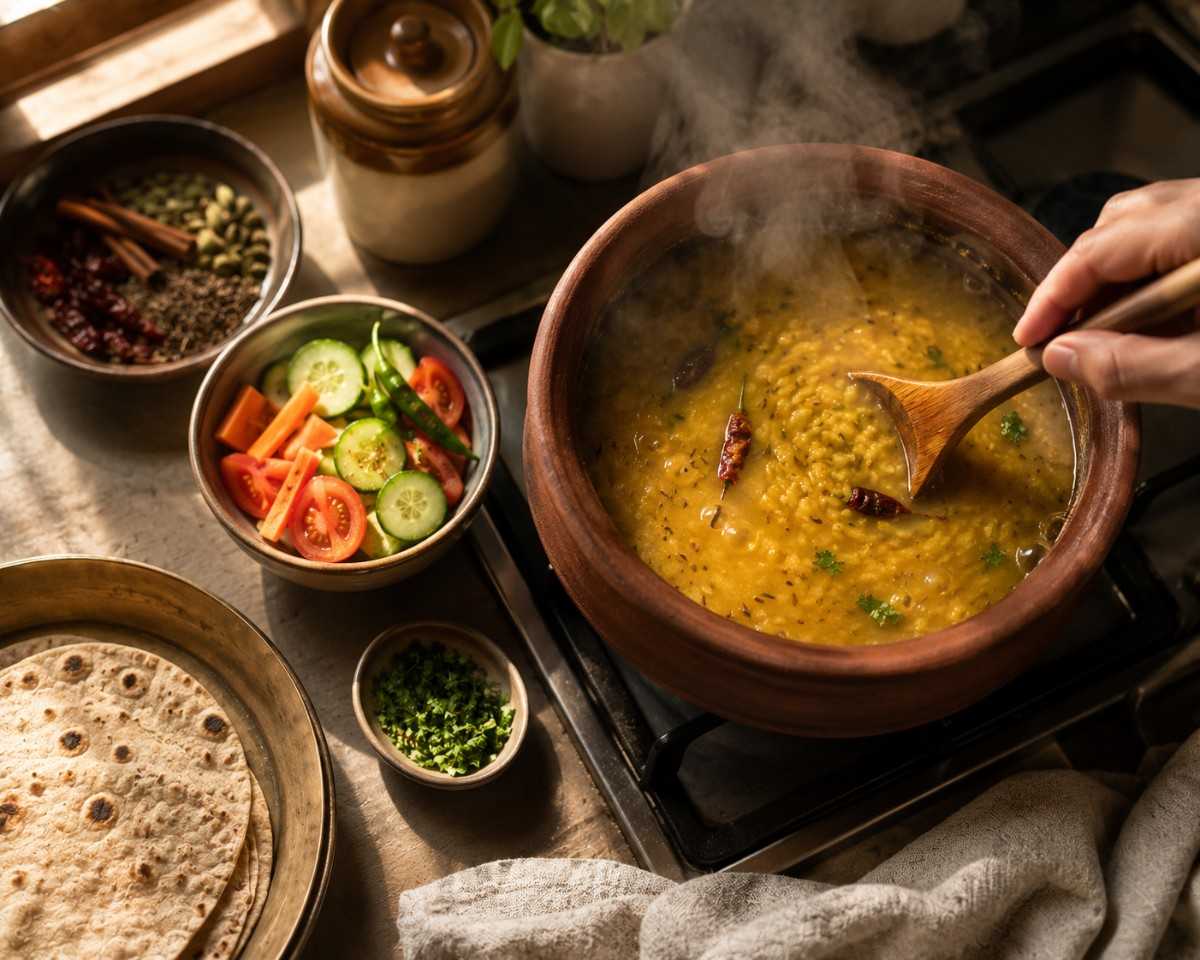
Cooking at home has a reputation problem. It's associated with effort, time, and the kind of domestic dedication that modern life makes difficult. Delivery apps exist for a reason. Restaurant culture thrives for a reason. The convenience of not cooking has genuine appeal. But the health case for cooking at home—even imperfectly, even simply, even just a few times a week—is stronger than most people realise. Not because restaurant food is necessarily bad, but because cooking at home gives you something that no restaurant or delivery service can: complete control over what goes into your body.
The Hidden Ingredients in Commercial Food
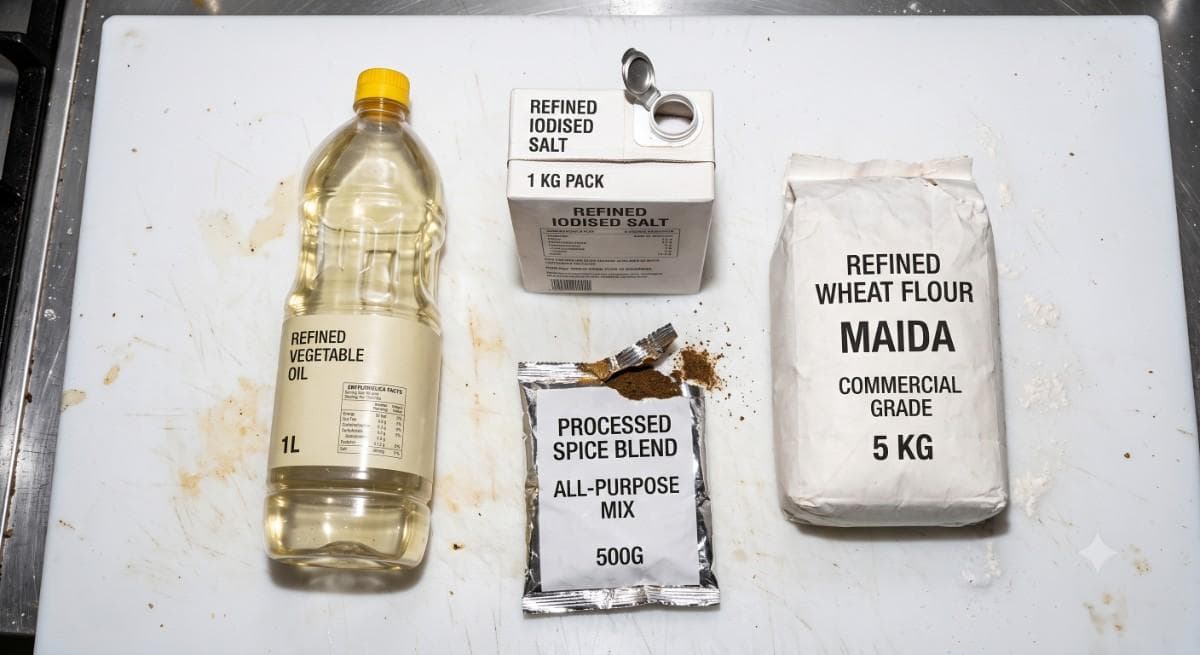
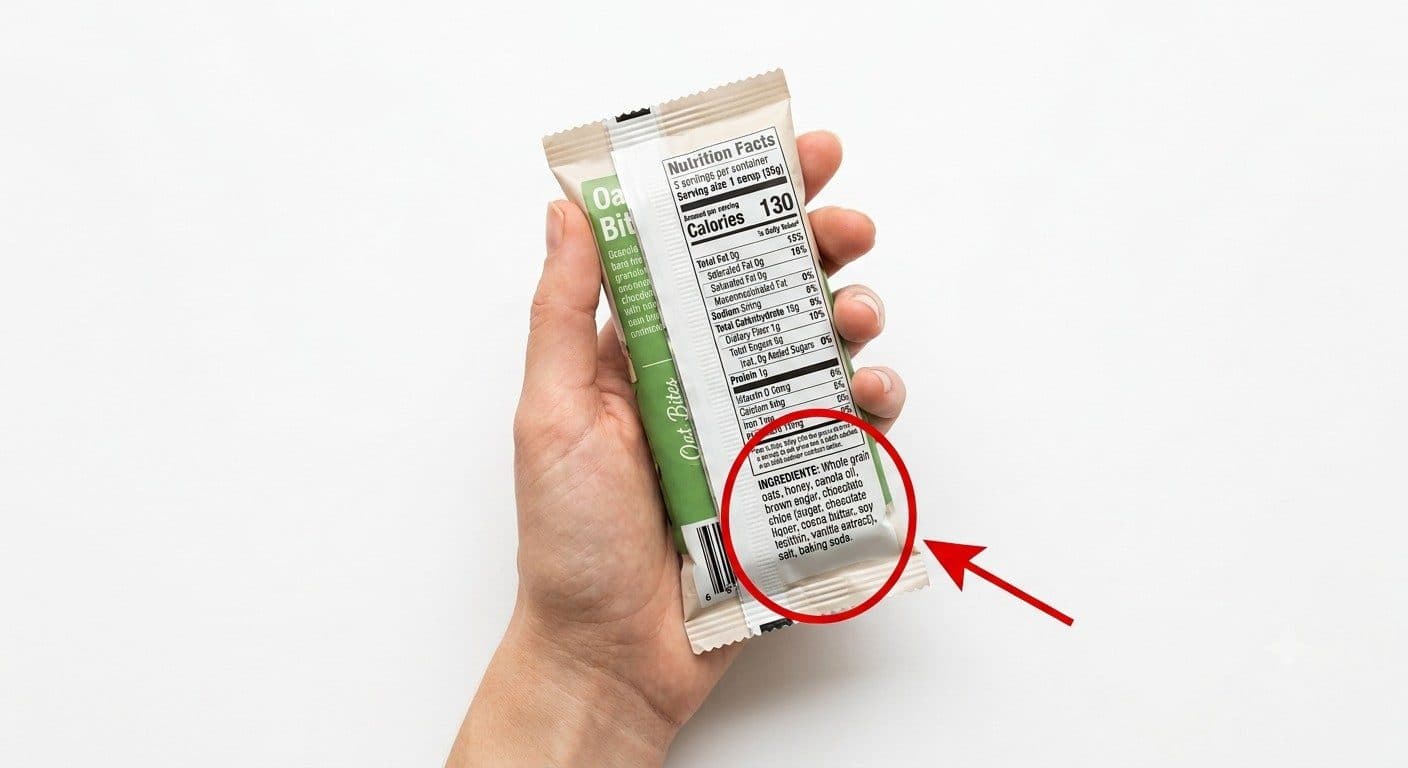
When you cook at home, you know exactly what's in your food. When you eat out or order in, you don't. This isn't an accusation against restaurants. It's a structural reality of commercial food preparation. Restaurants and food businesses optimise for taste, consistency, and cost. The ingredients that serve all three goals best are often ones you wouldn't choose if you were cooking for yourself. Oil: Commercial kitchens use large quantities of refined vegetable oils—often reheated multiple times. Refined seed oils (sunflower, soybean, corn, canola) used at high temperatures produce oxidised fats and harmful byproducts. The quantity used is also significantly higher than home cooking requires for comparable results. Salt: Restaurant food contains on average two to three times more sodium than equivalent home-cooked food. High sodium intake is a primary driver of hypertension—one of the most prevalent chronic conditions in India. The salt you add while cooking at home is a fraction of what commercial food preparation uses. Sugar: Added sugar appears in commercial food preparation in places you'd never expect—savoury sauces, marinades, breads, ready-made pastes, and packaged ingredients. At home, you control whether sugar is present in any given dish. Refined flour and starches: Many restaurant dishes—gravies, coatings, sauces—contain refined flour as a thickener or filler. At home, these additions simply don't exist unless you put them there. None of this means restaurant food should never be eaten. It means that home-cooked food is, structurally and almost automatically, lower in the specific ingredients most linked to chronic health problems—without you having to think about it.
What the Research Says
A study published in the journal Public Health Nutrition found that people who cooked at home more than five times per week consumed significantly fewer calories, less sugar, and less fat than those who cooked less frequently—even without intending to diet or restrict. A separate analysis of dietary data found that frequent home cooks had a 28% lower likelihood of being overweight and a 24% lower risk of excess body fat compared to infrequent home cooks. These effects persisted across income levels and regardless of what specifically was being cooked. The act of cooking at home—not the specific recipes—was the protective factor. The control over ingredients, the connection to food, and the naturally smaller portions produced at home collectively explain the effect.
The Portion Control Reality
Restaurant portions are almost universally larger than what most people would serve themselves at home. This is partly cultural—larger portions signal value—and partly commercial—it's easier and cheaper to over-portion than to calibrate precisely. The average restaurant meal in India provides 30-60% more calories than an equivalent home-cooked meal of the same dish. Over multiple meals per week, this surplus adds up to a significant and invisible caloric excess—invisible because the food seems like a normal serving, it's simply a larger one than you'd choose. At home, you serve yourself what you need. You can have more if you're still hungry. The default is appropriate rather than excessive.
The Ingredient Quality Advantage
When you cook at home, you choose every ingredient. This means you can choose: Fresh vegetables over the pre-cut, sometimes days-old produce that commercial kitchens use at scale. Whole grains over refined ones—brown rice instead of white, whole wheat atta instead of maida—at no extra effort. Good quality oil—cold-pressed groundnut, coconut, or sesame—rather than refined industrial seed oil. Natural spices—whole or freshly ground—rather than pre-made masala mixes that often contain salt, fillers, and anti-caking agents. Dal and legumes from scratch rather than tinned or pre-processed versions with added sodium and preservatives. Each of these is a small upgrade. Collectively, across multiple meals per week, they produce a meaningfully different nutritional profile—more micronutrients, less sodium, better fats, more fibre—than even conscientiously ordered restaurant food.
The Mental Health Connection
The research on cooking and mental health is less well-known but equally compelling. A 2020 study published in Frontiers in Psychology found that engaging in everyday creative activities—including cooking—was associated with higher positive affect, flourishing, and a sense of engagement with daily life. Cooking at home provides what psychologists call an experience of competence—the satisfaction of having made something tangible, of a complete action with a concrete result. In a day of abstract work, meetings, and screens, the experience of turning raw ingredients into a meal that nourishes the people you care about (or just yourself) provides a particular kind of satisfaction that's difficult to replicate through other activities. The act of cooking is also inherently present—it requires sensory attention, timing, and engagement with the physical world. This is why many people find cooking a genuine form of decompression after a difficult day, despite it technically being additional activity.
The Financial Argument
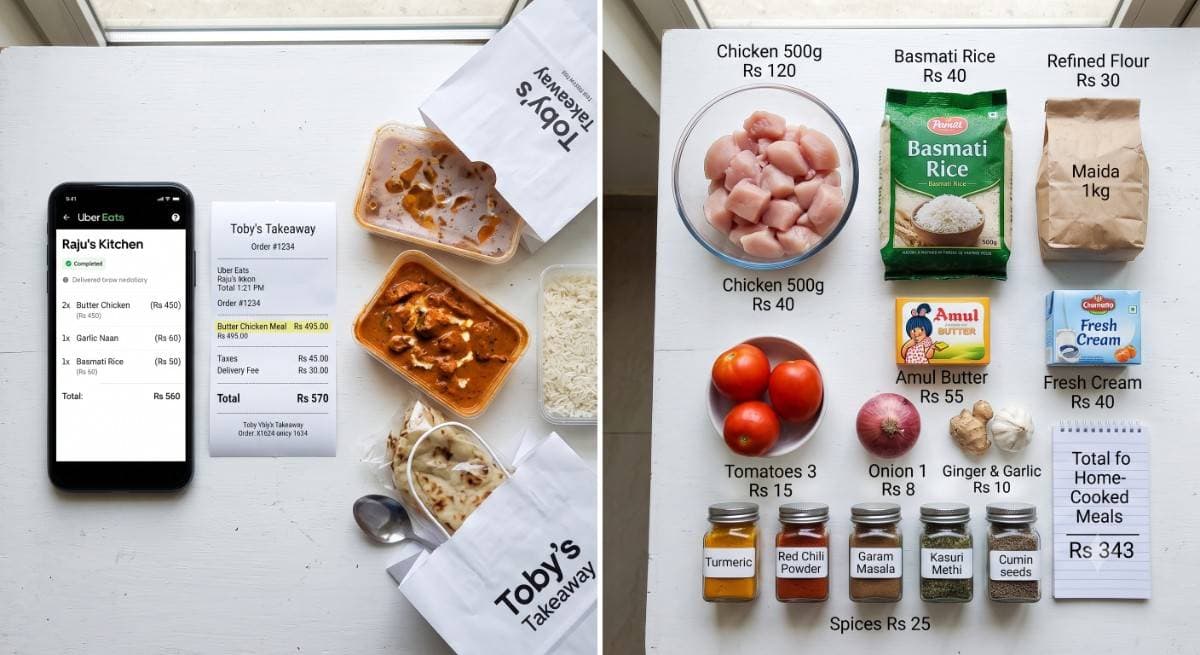
The cost of eating out in Indian cities has increased substantially. A simple restaurant meal for one in a mid-range establishment in most Indian cities costs ₹300-600. A daily delivery habit costs ₹200-500 per meal. Over a month, a pattern of frequent eating out or ordering in costs ₹6,000-15,000 in food alone. A month of home-cooked meals—dal, rice, vegetables, eggs, curd—costs ₹2,000-4,000 for one person, including quality ingredients. The saving is ₹4,000-11,000 per month—₹48,000-1,32,000 per year—from the single habit of cooking at home more often. This is money available for better clothing, better ingredients, better experiences—or simply saved. The financial return from cooking at home is one of the highest available from any single lifestyle change.
The Objection: Time
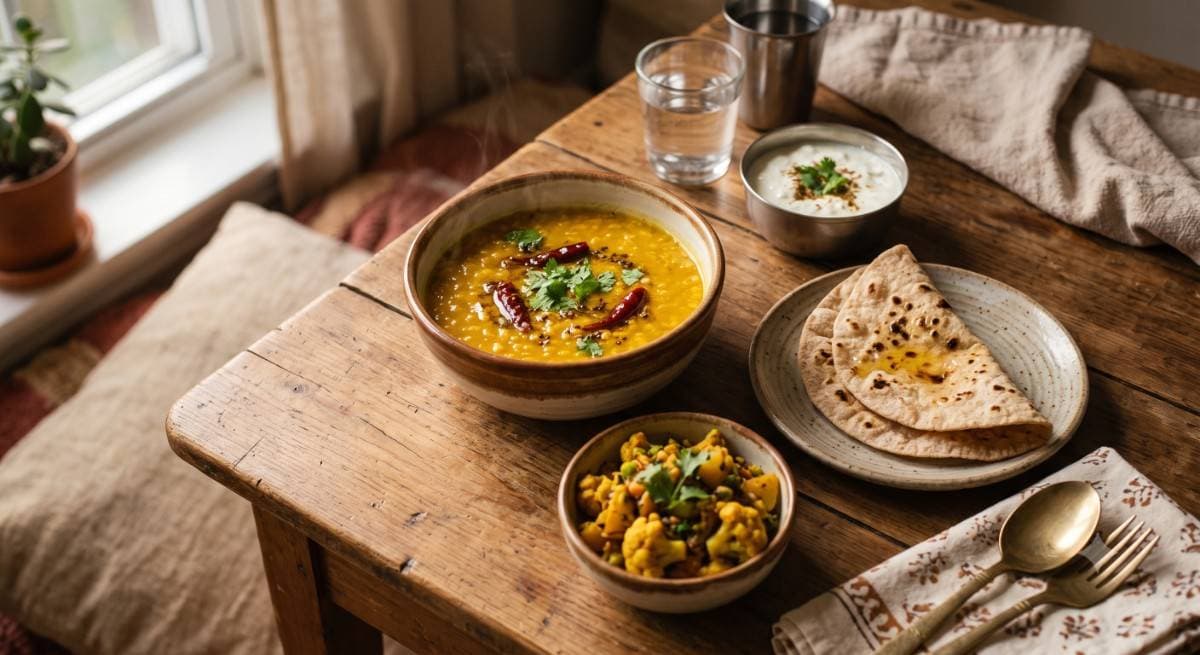
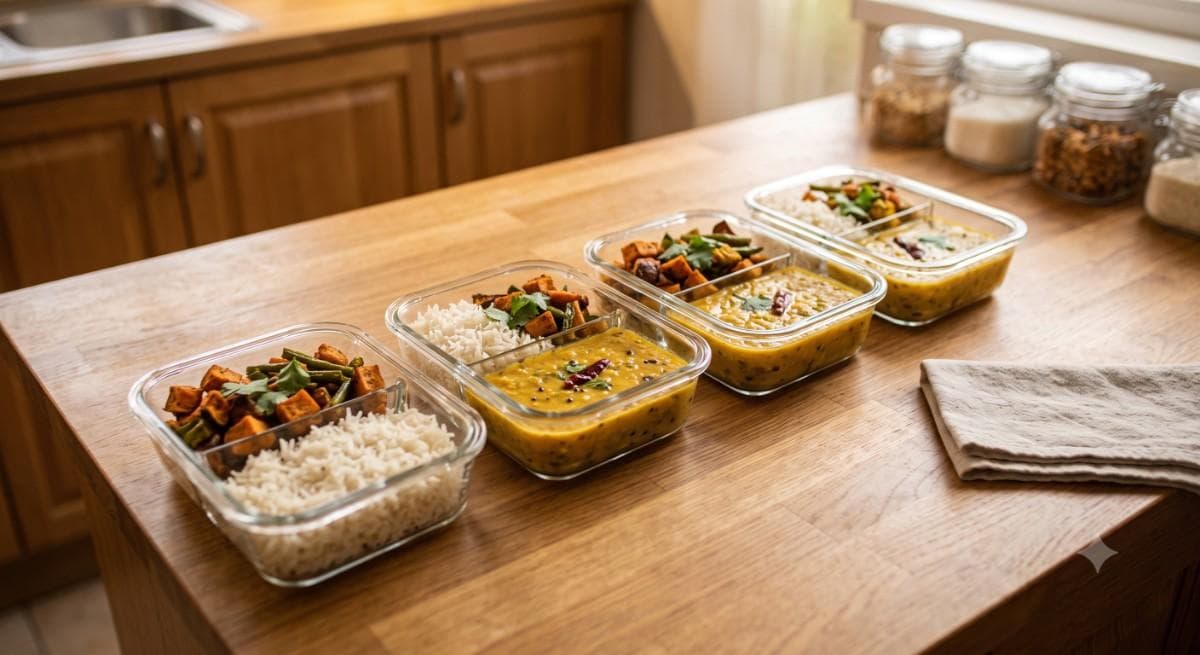
The most common and most legitimate objection to cooking at home is time. Working adults, particularly those with long commutes and demanding jobs, genuinely don't have time to cook elaborate meals every night. The response to this is not to dispute the time constraint but to reframe what cooking at home requires. Cooking at home doesn't mean cooking elaborate meals. It means: Dal and rice takes 25 minutes. Boil water, rinse dal, simmer with basic spices, done. This is a complete, nutritionally excellent meal that requires minimal skill and attention. Eggs take 10 minutes. Scrambled, boiled, or fried—any preparation. With available vegetables, a complete protein-rich meal. Batch cooking once a week covers multiple meals. An hour on Sunday produces dal, a cooked grain, and a vegetable preparation that covers lunches for four to five days. The time investment per meal is then under 15 minutes. The five meals worth knowing by heart explored in our earlier guide—each take under 30 minutes once you know them. Not because they're simple shortcuts but because they've been practised enough to be automatic. The barrier to home cooking is rarely genuine time scarcity. It's more often the friction of deciding what to make, not having the right ingredients available, and the activation energy required to start. These are solvable problems—a weekly ingredient list, a few reliable recipes known well, and the habit of cooking being already established.
A Simple Starting Point
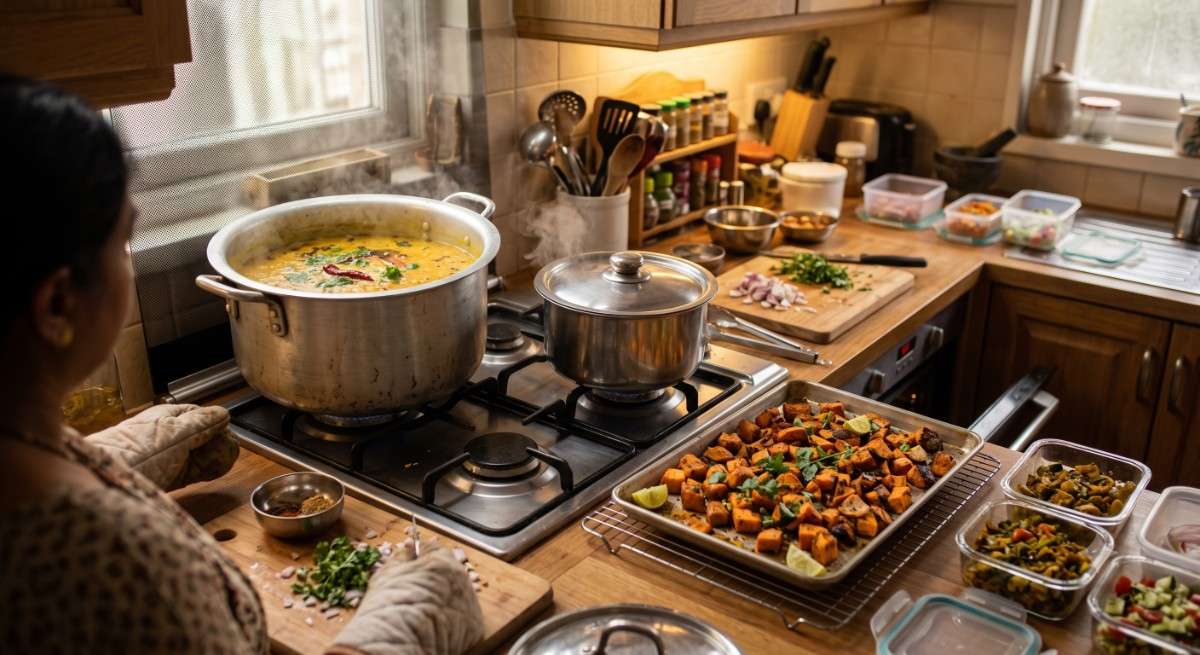
If cooking at home isn't currently a habit, starting with one home-cooked meal per day is more than sufficient to produce measurable health and financial benefits. Lunch, for most working people, is the easiest meal to cook and bring from home—a batch of dal made on Sunday, portioned into containers, eaten with rice or roti reheated in a few minutes. This one habit—bringing lunch from home five days a week—reduces daily sodium and oil intake, saves ₹1,500-3,000 per month, and provides a meal that reliably sustains afternoon energy better than most restaurant alternatives. Start with one meal. Build from there.
“Disclaimer: This content was created with AI assistance and reviewed before publication. It is for informational purposes only and not professional medical, nutritional, legal, or financial advice”