Every brand has an origin. Most origin stories are polished into something heroic a founder's eureka moment, a gap in the market identified with precision, a mission statement that arrived fully formed.
The real origin of Arohm is simpler and more personal than that. It begins with a problem that most Indian men know intimately and a conviction that the solution was simpler than what was being offered.
The Problem We Kept Running Into
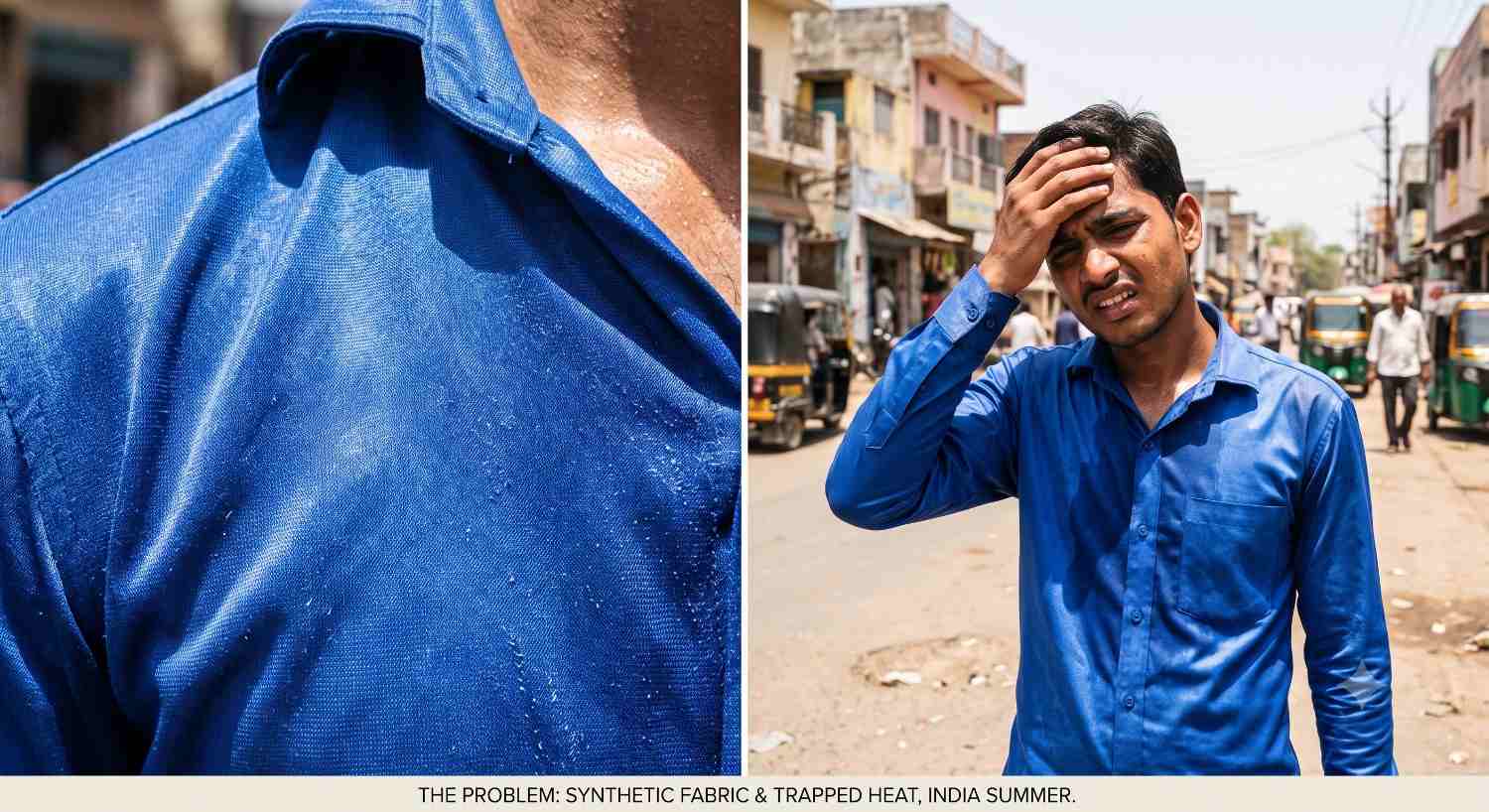
The problem isn't complicated to describe. It's the experience of standing in front of a wardrobe full of clothes that don't work - synthetic shirts that trap heat by mid-morning, garments that looked fine in the store and felt wrong on the first wear, pieces bought impulsively that never found their place. Too many things. Not enough of the right things.
This problem is compounded by the Indian climate in a specific way. Most menswear available in Indian cities whether from fast fashion brands, mid-range labels, or online platforms - is designed for temperate climates or for the climate of a photograph. It looks good under studio lighting. It performs poorly under an Indian sun.
The synthetic fabrics that dominate affordable Indian menswear are functional in air-conditioned offices. Step outside into a Indian summer at any temperature above 30 degrees and they start working against you. Heat is trapped. Moisture accumulates. By noon you're uncomfortable in a way that's disproportionate to the actual temperature.
This is a solvable problem. The solution has existed for thousands of years. India has been growing and wearing natural fabric cotton, hemp, linen - in exactly this climate for longer than most modern nations have existed.
What We Believe
Arohm is built on a set of convictions that are simple individually and connected to each other.
- Natural fabric isn't a luxury. It's a baseline.
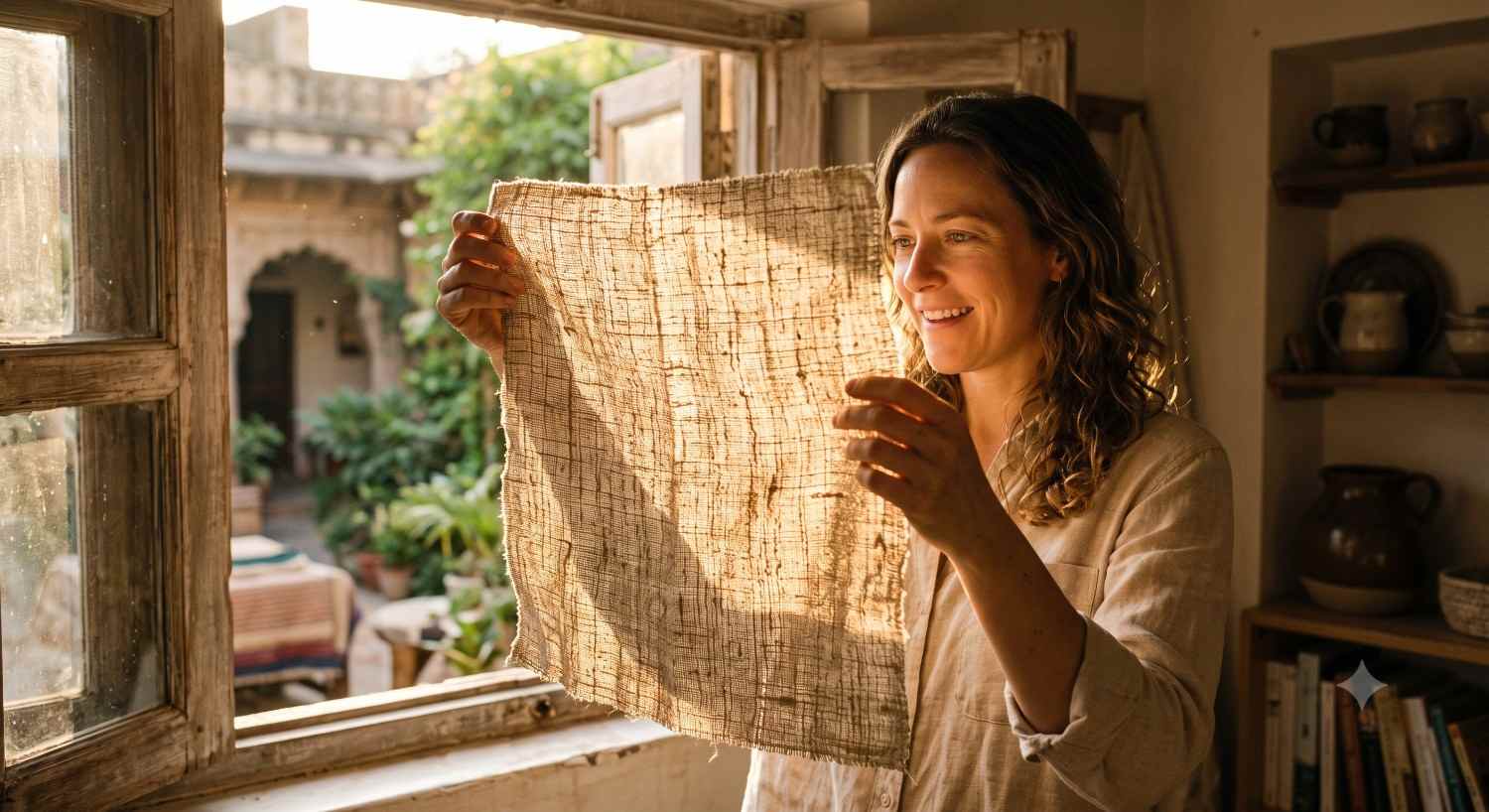
The categorisation of natural fabric as premium or sustainable as something that costs more and signals a particular kind of consumer - is a relatively recent development. For most of human history and for most of Indian history, natural fabric was simply what clothing was made of. It is synthetic fabric that is the aberration - the post-war industrial invention that displaced materials humans had been wearing, growing, and returning to the earth for millennia.
We make clothing from natural fabric not as a statement but as a standard. Cotton, linen, hemp, and their blends perform better in the Indian climate, feel better on the body, improve with wear, and last significantly longer than synthetic alternatives. These aren't philosophy - they're practical facts.
Less is more functional, not just more aesthetic.
The "less is more" principle in design and fashion is often treated as an aesthetic preference a taste for minimalism. We think of it differently. A smaller wardrobe of better, more intentional pieces is more functional than a large wardrobe of accumulated items. It removes daily decision fatigue. It means everything you own is something you actually wear. It means getting dressed is simple rather than stressful.
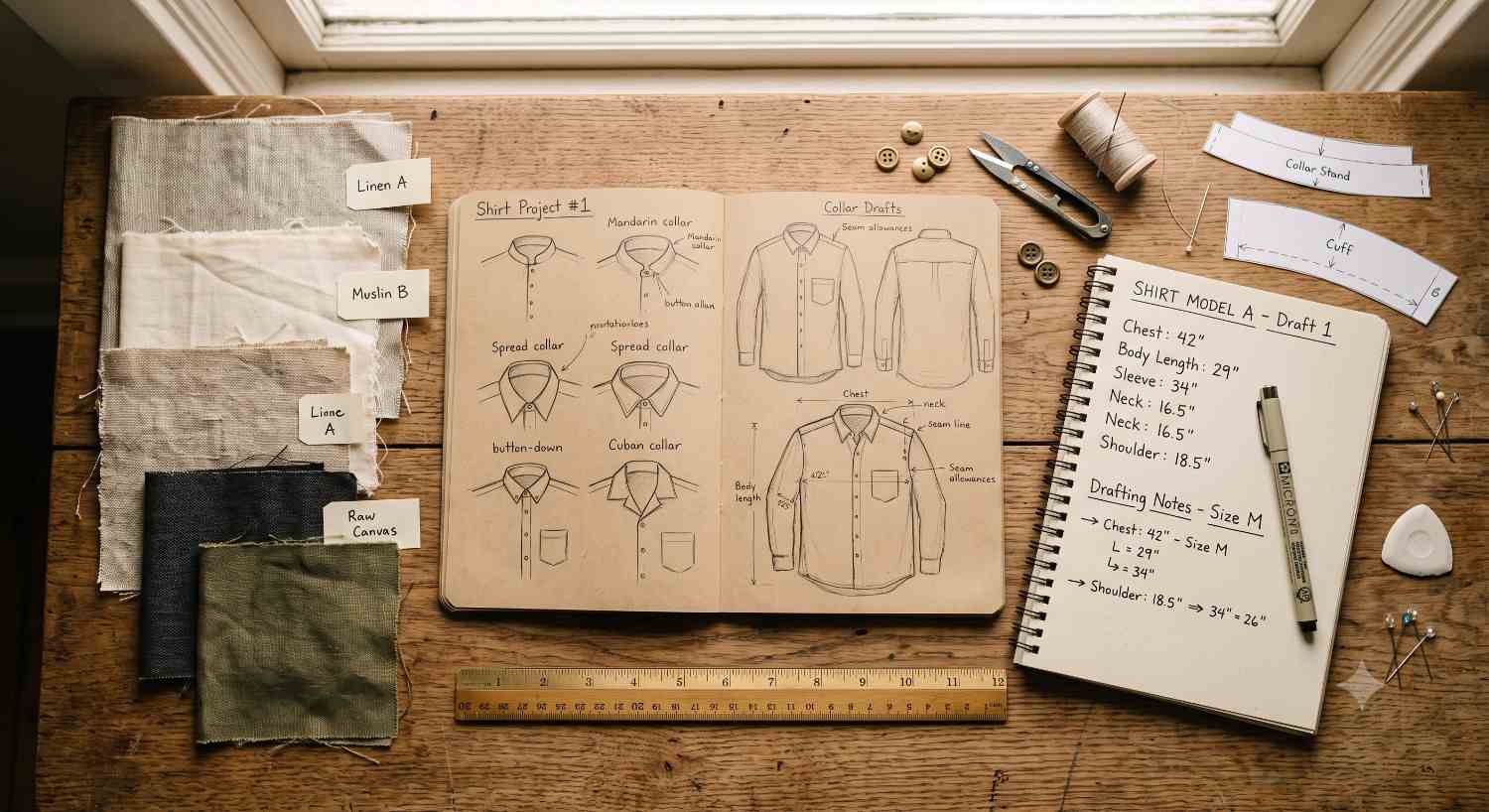
This is why we don't build large collections. We build a small number of pieces each considered, each made to work with the others, each designed to last. Not because large collections are aesthetically objectionable but because they don't serve the people wearing them as well as a smaller, better-considered range does.
How you dress is connected to how you live.
This is the belief that led us to build content around three pillars what to wear, what to eat, how to live rather than simply making shirts and selling them. The conviction is that these things are genuinely connected. The person who dresses with intention tends to approach other parts of their day with intention too. The person who eats with awareness tends to move through the day with more clarity and less reactive stress. The person who protects their rest tends to make better decisions and bring more to everything they do.
We're not claiming that buying a linen shirt will change your life. We're saying that the shift in orientation that leads you to choose natural fabric over synthetic choosing something that works with your body rather than against it, choosing quality over quantity, choosing intention over impulse - is the same shift in orientation that produces better choices in everything else. Arohm is a clothing brand. It's also an articulation of a way of thinking about daily life.
Children deserve the same consideration.
This is something we believe simply and completely. Children's skin is more sensitive and more absorbent than adult skin. The fabrics that touch children's bodies matter - possibly more than the fabrics that touch ours. And yet children's clothing is, if anything, more dominated by synthetic fabric than men's.
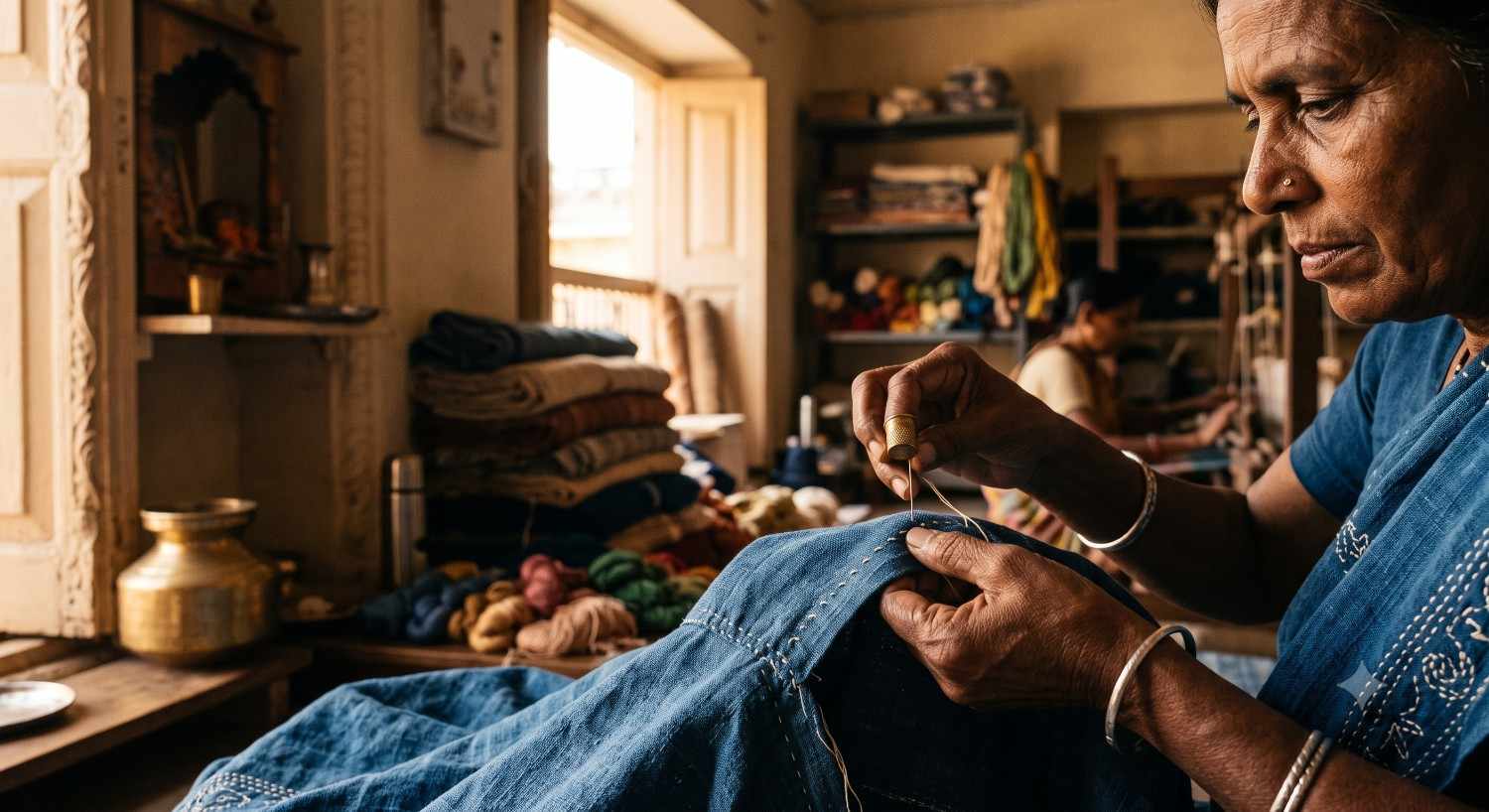
We are building children's clothing in natural fabric for exactly this reason. Not because natural fabric for children is a marketing category but because it's the right material for a child's body particularly in India's climate, where breathability and gentleness are genuinely important properties, not nice-to-haves.
What We're Building
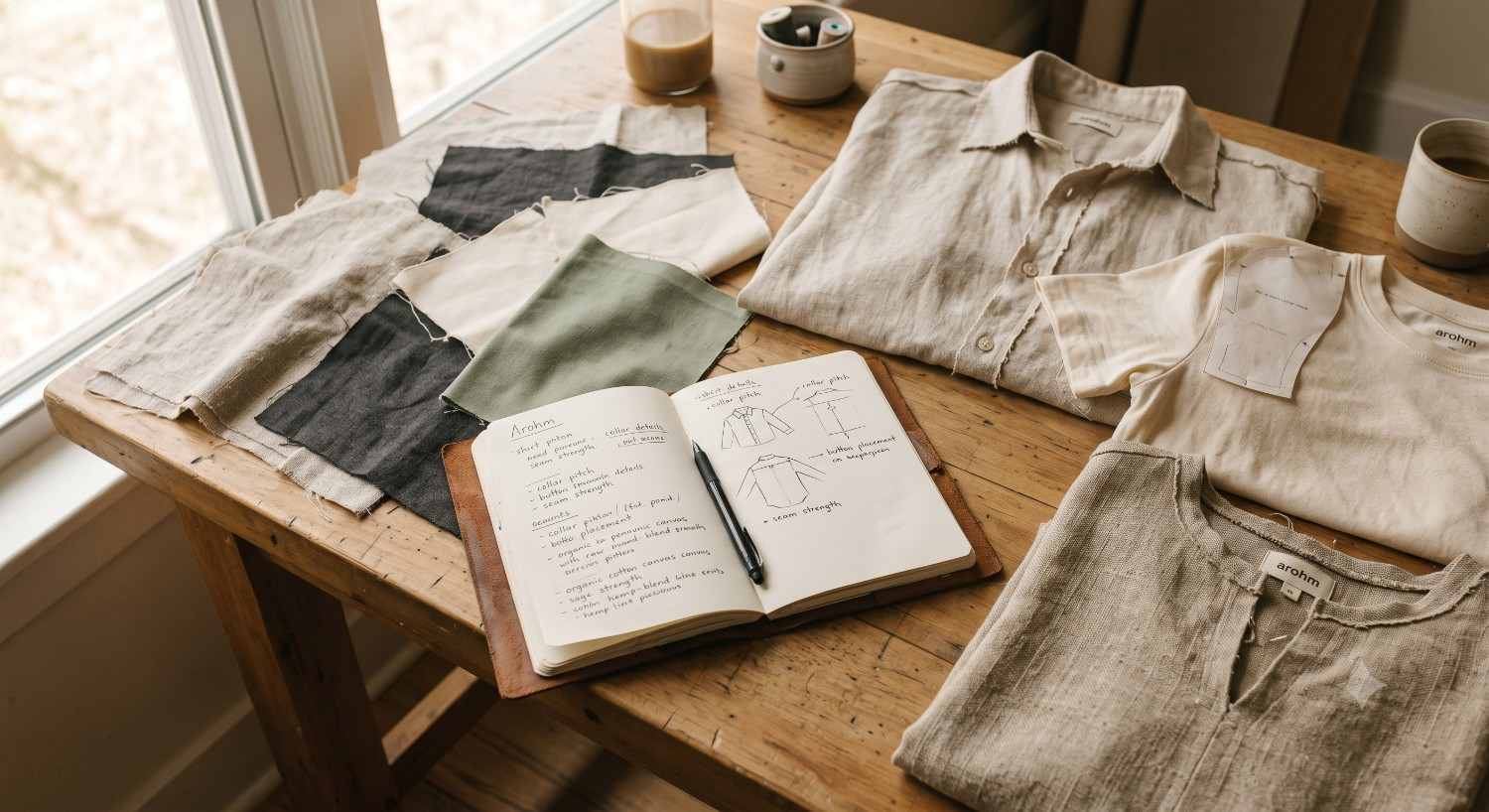
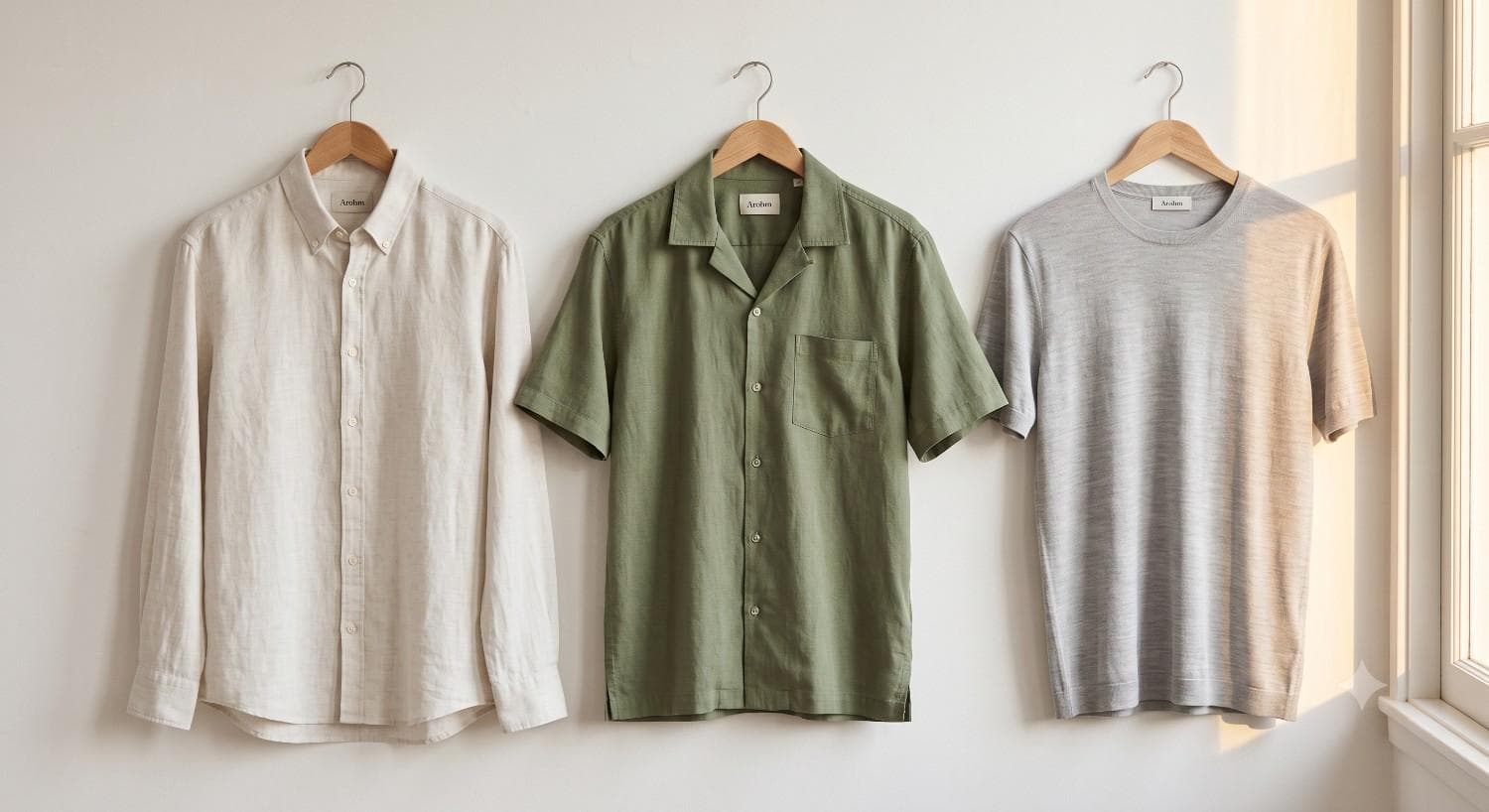
Arohm's first range is three pieces for men: the Ease Shirt, the Camp Collar Shirt, and the Air Top. Each is made from natural fabric cotton, linen, hemp, or their blends. Each is cut in a relaxed, modern silhouette. Each is designed to work in the Indian climate and to work with each other.
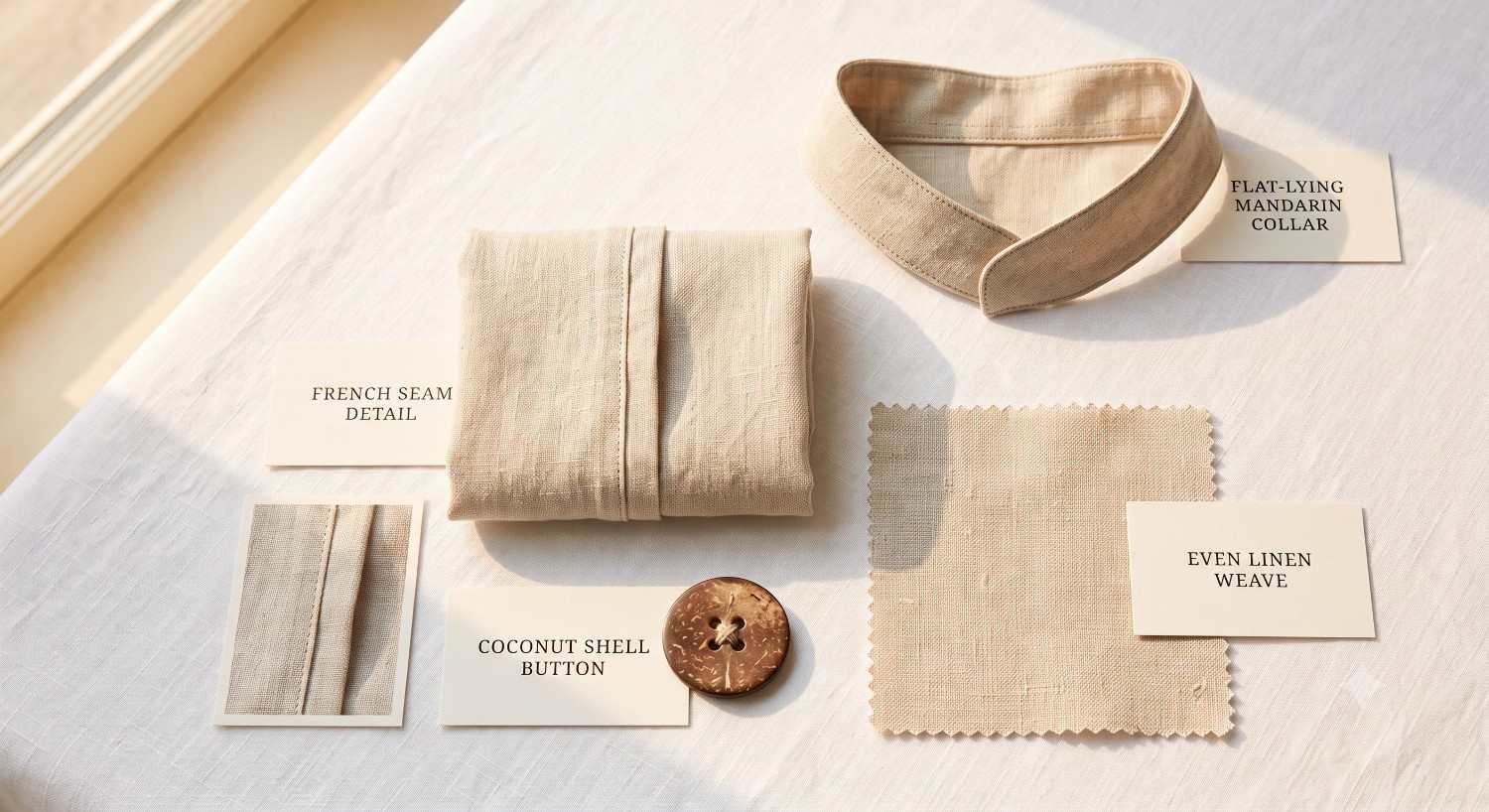
The Ease Shirt is a mandarin collar half-sleeve in natural fabric - the simplest, most functional men's shirt for the Indian summer. The collar sits clean and open. The silhouette is relaxed. The fabric breathes.
The Camp Collar Shirt is an open collar half-sleeve slightly more relaxed in attitude, equally functional. The chest pocket and coconut shell buttons are details that reflect the natural ethos of the whole.
The Air Top is a sleeveless natural fabric top - the most minimal piece in the range and, in terms of sheer breathability, the most suited to the peak of the Indian summer. Children's clothing is next. Natural fabric, the same quality of construction, designed for how children actually move and play.
Made to Breathe
The Arohm tagline is Made to Breathe. It refers, at the most literal level, to fabric that allows airflow - that works with the body's natural temperature regulation rather than against it. But it also refers to a pace and an approach. We're making things slowly, carefully, and with attention to every decision. We're not launching everything at once. We're not building to a formula. We're making what we believe in, in the way we believe it should be made.
If that sounds like something you want to be part of follow along. The first pieces are coming. And this, as we said, is just the beginning.
“Disclaimer: This content was created with AI assistance and reviewed before publication. It is for informational purposes only and not professional medical, nutritional, legal, or financial advice”