You just ate a full meal. A proper one — not a snack, not a handful of something at your desk. And yet, sixty to ninety minutes later, you're hungry again. Not peckish. Actually hungry. This is one of the most common and most misunderstood eating experiences people have. The instinct is to conclude that you didn't eat enough, or that you have an unusually fast metabolism, or that you simply need to eat more to feel satisfied. In most cases, none of these are true. The problem isn't the quantity of food. It's the composition.
What Satiety Actually Is
Satiety — the feeling of fullness and satisfaction after eating — is not simply a matter of how much food is in your stomach. It's a hormonal and neurological response that involves multiple signals between your gut, your bloodstream, and your brain. Three primary signals determine how long you feel full after a meal: 1. Mechanical stretch signals. As the stomach fills, stretch receptors send signals to the brain indicating volume. This is the most immediate signal — and also the least reliable for sustained fullness. A large volume of low-calorie, low-nutrient food can trigger stretch signals without producing lasting satiety. 2. Blood glucose stability. After eating carbohydrates, blood glucose rises. If it rises steeply and then falls quickly — the spike-and-crash pattern — hunger returns rapidly as blood glucose drops. If blood glucose rises slowly and stays stable — the pattern produced by fibre, protein, and fat — hunger stays away for significantly longer. 3. Satiety hormone release. Hormones including GLP-1, PYY, and CCK are released in response to specific nutrients — primarily protein and fat — and signal the brain that the body has received adequate nutrition. Refined carbohydrates produce minimal satiety hormone release relative to their caloric content. When a meal primarily consists of refined carbohydrates with minimal protein, fat, or fibre — the most common pattern in modern eating — it produces stretch signals and a blood glucose spike, but minimal satiety hormone release and rapid blood glucose drop. The result: hunger within an hour.
The Foods Most Likely to Leave You Hungry
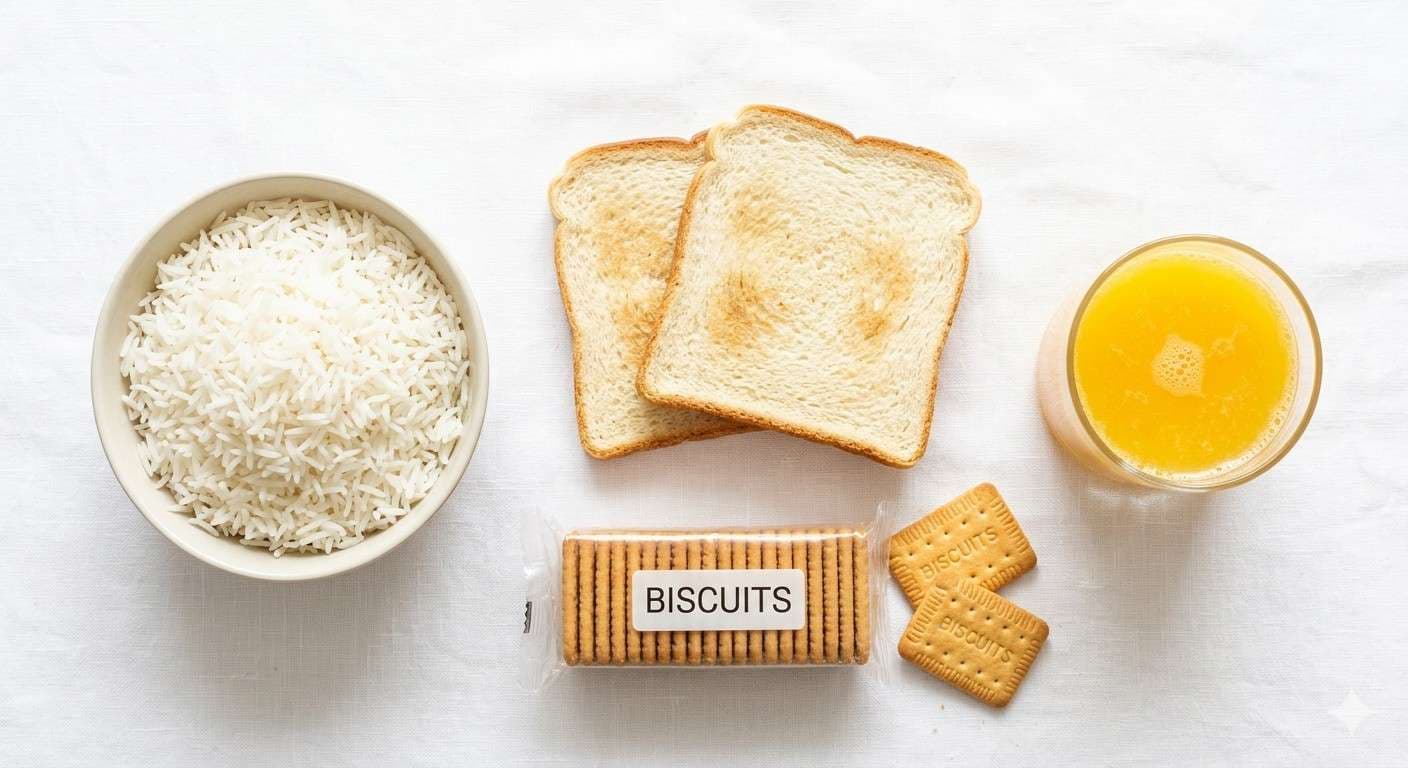
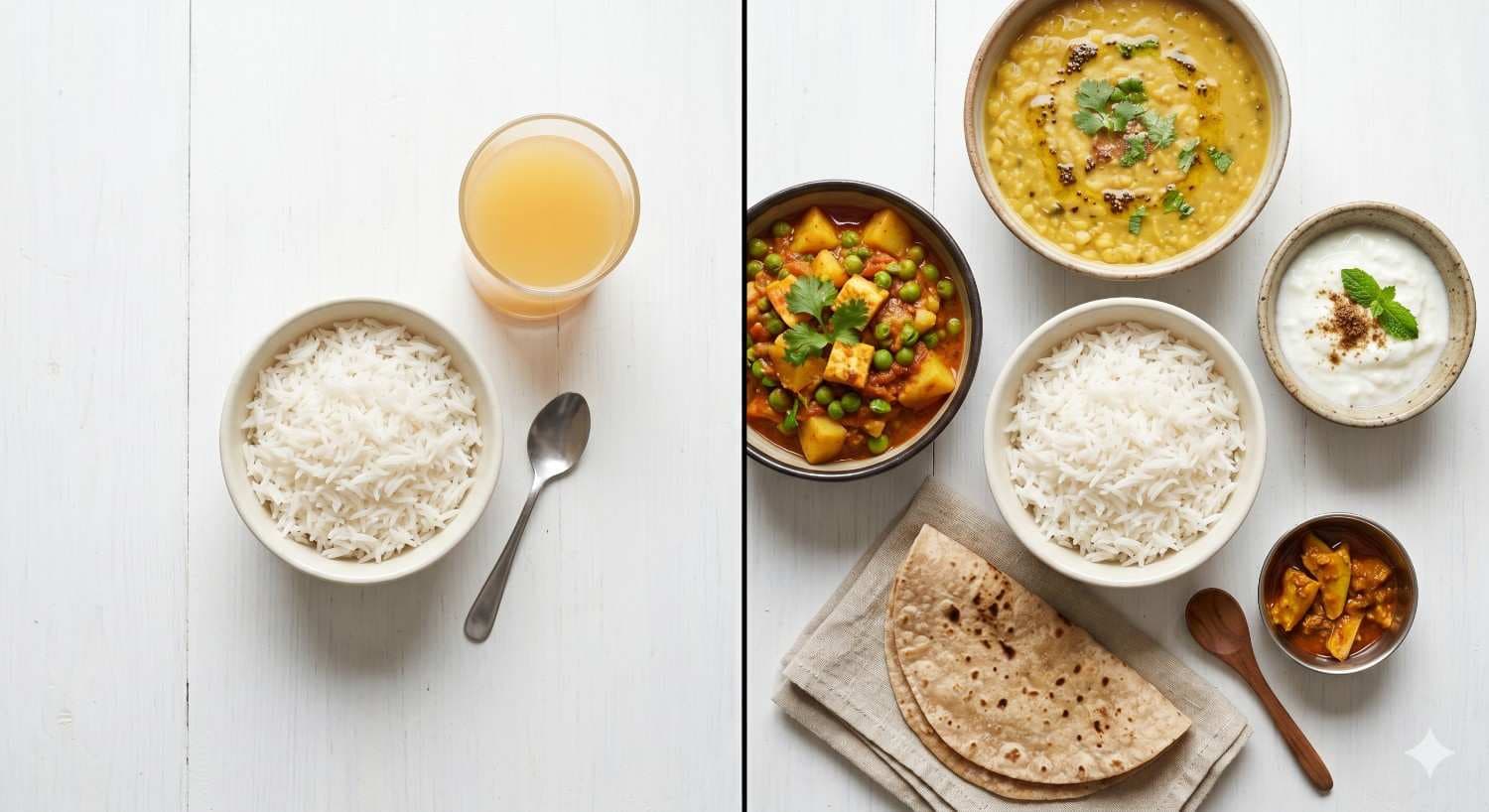
Understanding which foods produce poor satiety helps explain the pattern most people experience. White rice eaten in large portions without adequate accompaniment. Rice is a rapidly digested carbohydrate. Eaten alone or with only vegetables, it produces a quick blood glucose rise and limited satiety hormone response. Traditional Indian eating — dal and rice together — is nutritionally smarter than it might appear: the protein and fibre in dal significantly slow the digestion of the rice and extend satiety. Bread and roti without protein. Plain roti, white bread, or toast eaten without a protein source alongside produces the same pattern. The addition of dal, eggs, or a protein-based sabzi changes the satiety profile of the meal substantially. Processed snack foods. Biscuits, namkeen, chips, and packaged snack foods are engineered to be enjoyable without being satisfying — they're designed for repeated consumption. They produce stretch signals, a brief blood glucose rise, and almost no satiety hormone response. Sugary drinks consumed with meals. Liquid calories — including juice, sweetened chai, and soft drinks — add significant blood glucose load to a meal without contributing to fullness. They accelerate the blood glucose spike and do nothing to extend satiety. Low-fat or 'diet' foods. Fat is one of the strongest triggers for satiety hormone release. Foods designed to be low in fat compensate with sugar or refined carbohydrates — producing worse satiety outcomes despite appearing to be the healthier option.
The Three Nutrients That Actually Keep You Full
Protein — The Most Powerful Satiety Nutrient
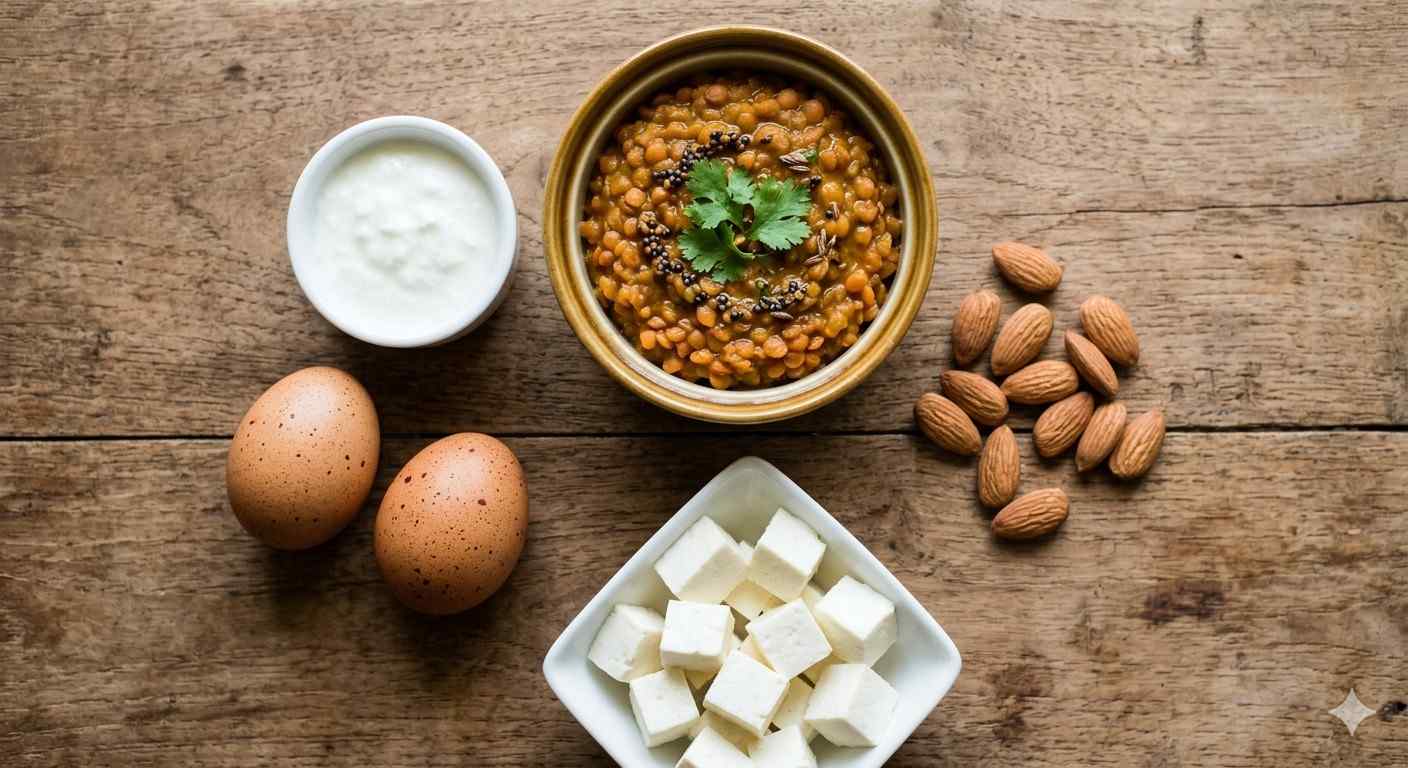
Protein has the highest satiety-per-calorie of any macronutrient. It triggers the strongest release of satiety hormones, it slows gastric emptying (the rate at which food moves from the stomach to the small intestine), and it produces a sustained effect that lasts two to four hours after a meal. Every meal should contain a meaningful source of protein. For Indian eating patterns, this means: dal, legumes (chana, rajma, moong), paneer, eggs, curd, or lean meat. The protein content doesn't need to be enormous — 20–30 grams per meal is sufficient for most people to produce lasting satiety.
Fibre — The Satiety Multiplier
Dietary fibre slows the digestion of everything else in the meal. It creates bulk in the stomach (contributing to stretch signals), slows the release of glucose into the bloodstream (preventing the spike-and-crash), and feeds the gut microbiome — which in turn produces short-chain fatty acids that signal satiety to the brain. Vegetables, legumes, whole grains, and fruits are the primary sources. The specific combination of soluble fibre (found in oats, dal, and fruit) and insoluble fibre (found in vegetables and whole grains) is ideal — most traditional Indian meals contain both when prepared as intended.
Fat — The Underrated Satiety Signal
Fat has been unfairly maligned as a dietary villain. In terms of satiety, fat is extremely effective — it triggers CCK release, slows gastric emptying significantly, and adds to the palatability of food in a way that makes meals feel genuinely satisfying rather than merely full. The fats in ghee, curd, nuts, seeds, coconut, and oily fish are all valuable satiety contributors. The fats in heavily processed fried food — hydrogenated oils and trans fats — are nutritionally counterproductive and should be minimised.
How to Rebuild a Meal for Lasting Satiety
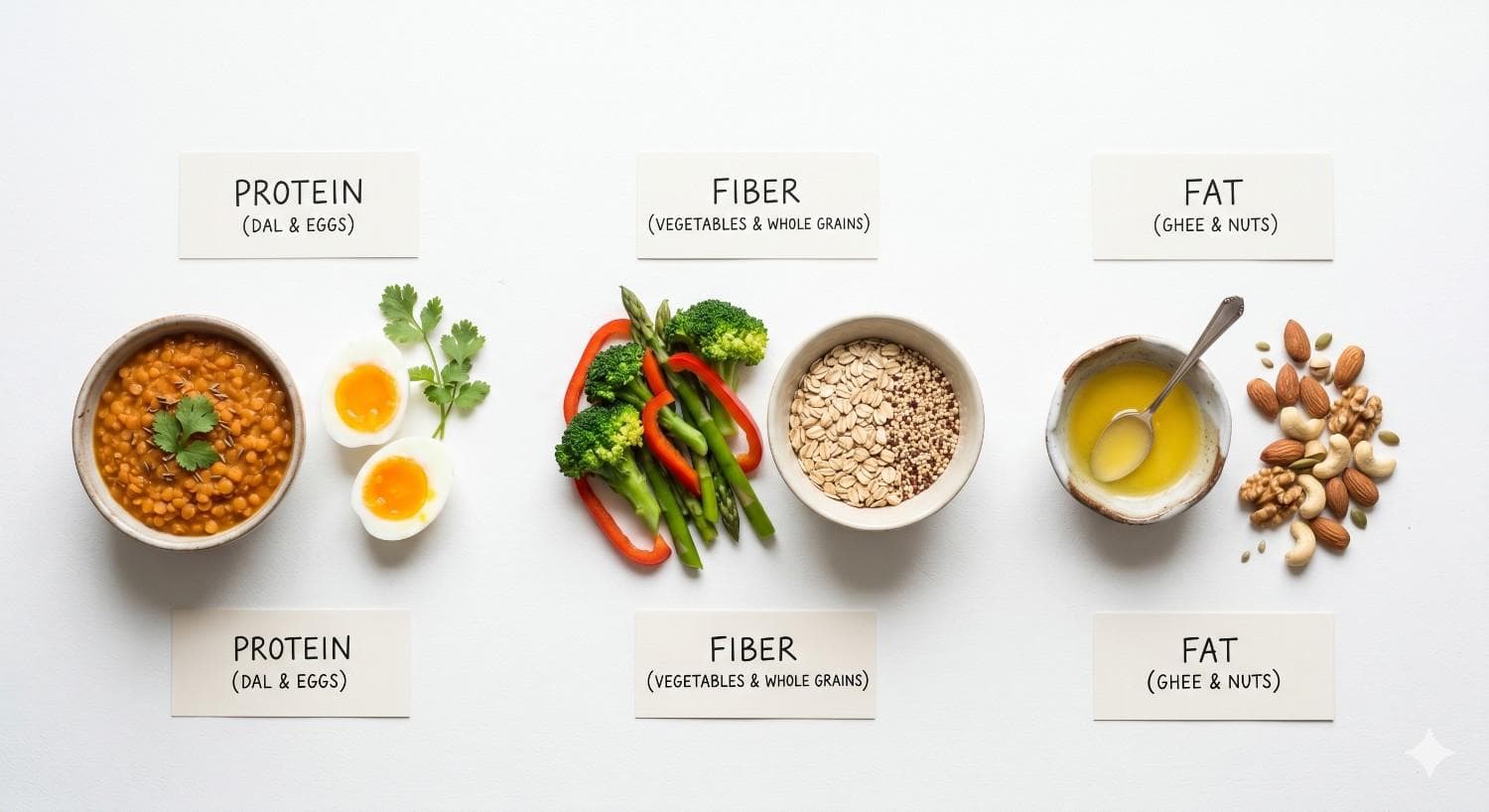
The formula is simple: every meal should contain all three satiety nutrients — protein, fibre, and fat — in meaningful quantities. Traditional Indian meals, when complete, already do this. Dal provides protein and fibre. Sabzi provides fibre. Curd provides protein and fat. A small amount of ghee on roti adds fat. The problems arise when meals are incomplete — white rice alone, roti without dal, a meal of only vegetables without protein. The practical test: look at your plate. If you can't identify a clear protein source, a clear fibre source, and a clear fat source — the meal will leave you hungry within the hour. Specific fixes for common hungry-after-eating patterns: Hungry after breakfast: Add protein. A bowl of poha without dal or eggs is primarily carbohydrate. Adding two eggs or a cup of curd alongside transforms the satiety profile. Hungry after lunch: Check protein and fat. Dal that's been cooked thin and served in a small quantity may not be providing adequate protein. A tablespoon of ghee on rice and a full serving of dal makes a significant difference. Hungry after dinner: Check timing and composition. A light dinner eaten early is ideal — but if that dinner is primarily carbohydrate, hunger at bedtime is predictable. Including protein (dal, paneer, eggs) at dinner extends satiety through the night.
The Eating Speed Factor
Satiety signals take approximately 15–20 minutes to reach the brain from the gut after eating begins. If you eat a meal in under 10 minutes — which is common — your brain hasn't received the full satiety signal by the time you've finished. This is one of the most consistent findings in nutrition research: people who eat slowly, chewing thoroughly and pausing between bites, report higher satiety from the same quantity of food than people who eat quickly. The traditional practice of eating without screens or distractions — simply eating, paying attention to the food — produces slower eating naturally. This is another area where the habits discussed in our morning and evening routines connect to how you eat: a meal eaten in a rush, standing up, while checking your phone, is a meal that will leave you hungry.
A Note on Thirst vs Hunger
One final, frequently overlooked cause of post-meal hunger: thirst. The hypothalamus — the brain region that regulates both hunger and thirst — can conflate the two signals, particularly when you're mildly dehydrated. Drinking a glass of water 20–30 minutes before eating (not during, which dilutes digestive enzymes) and ensuring adequate hydration throughout the day significantly reduces the frequency of false hunger signals.
“Disclaimer: This content was created with AI assistance and reviewed before publication. It is for informational purposes only and not professional medical, nutritional, legal, or financial advice”