Most people think of behaviour change as an internal process. You decide to do something differently. You apply willpower. You push through resistance until the new behaviour becomes a habit. If it doesn't stick, you didn't try hard enough.
This model is intuitive, widely accepted, and largely wrong. The research on behaviour change consistently shows that external environment — the physical spaces, objects, and arrangements that surround you — has a more powerful and more reliable influence on behaviour than internal motivation or willpower. You don't act differently because you decided to. You act differently when your environment makes different action the obvious, easy choice. Understanding this shifts the entire strategy for building better habits. Instead of trying harder, you design smarter.
The Science of Environmental Influence
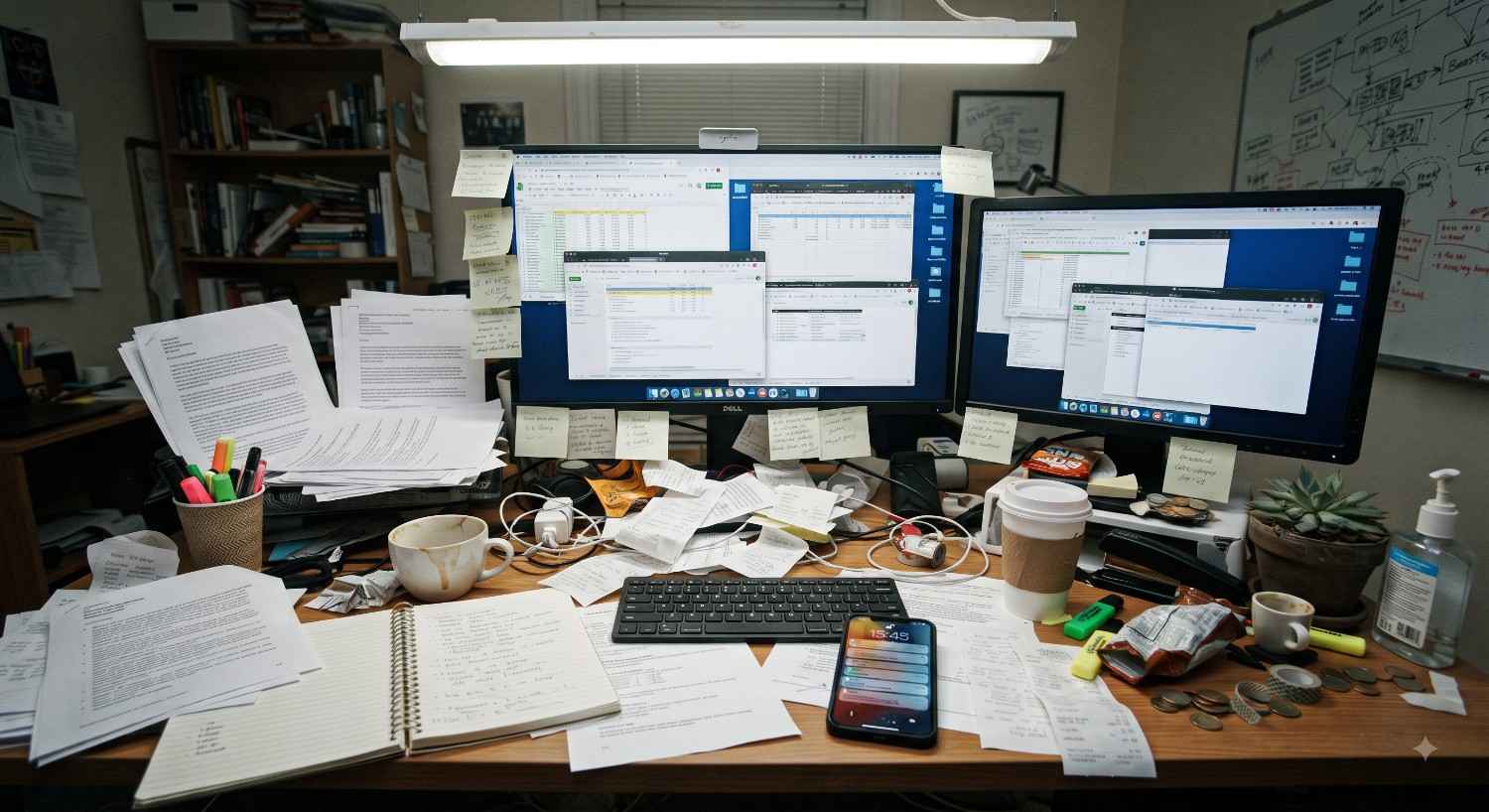
The concept of nudge theory — developed by behavioural economists Richard Thaler and Cass Sunstein — describes how small, seemingly trivial changes to the environment predictably alter behaviour without restricting choice or requiring conscious effort.
The most famous example: a study in a school cafeteria found that simply moving fruit to eye level and placing it in attractive bowls — while leaving all other food options identical — increased fruit consumption by 70%. No rules changed. No prices changed. The children still had access to everything. The arrangement changed, and behaviour followed. This effect operates constantly in your own life, whether you're aware of it or not.
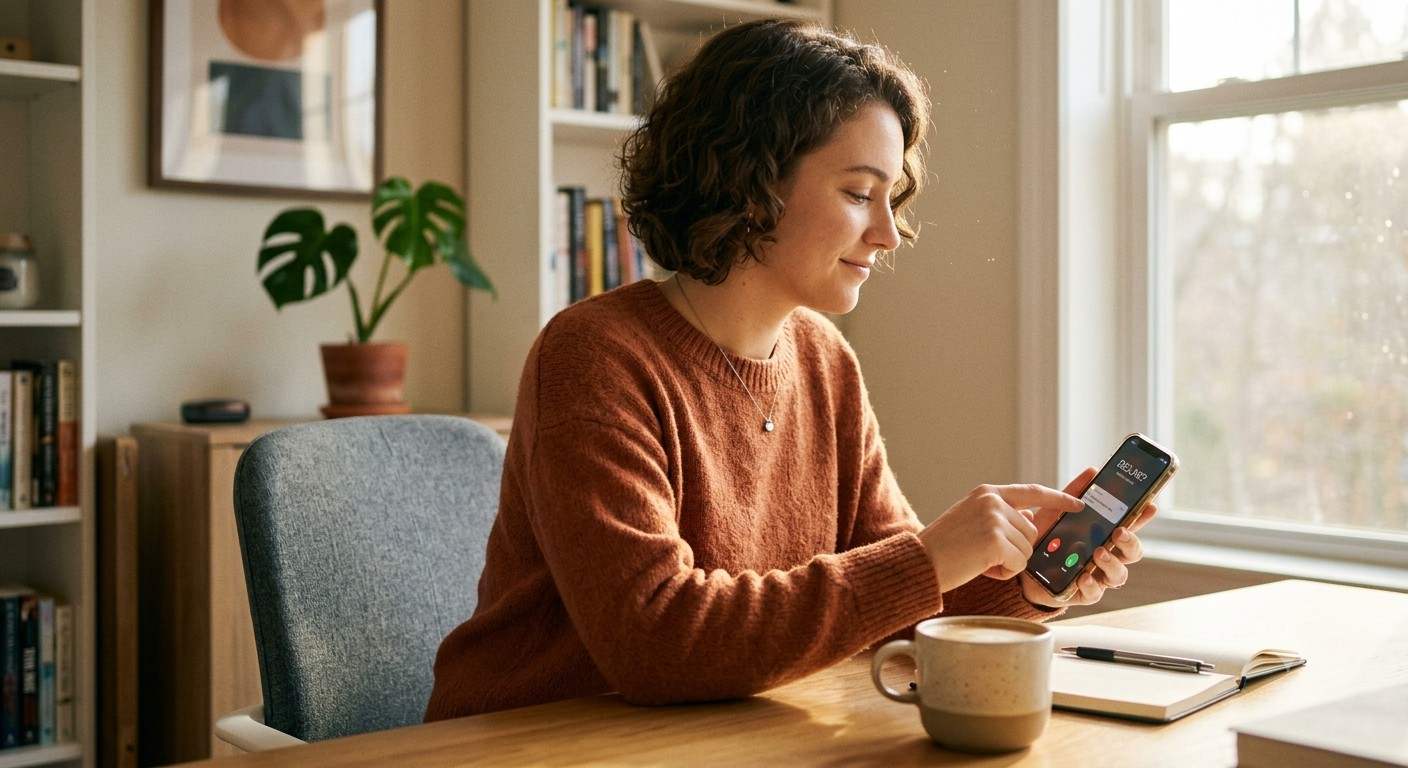
The phone on your bedside table isn't just a phone. It's a behaviour trigger — a cue that prompts checking, scrolling, and stimulation before you've consciously chosen to do any of those things. The biscuits on the kitchen counter aren't just biscuits. They're an environmental nudge toward eating them every time you walk past. Your environment is not neutral. It is actively shaping your choices — moment by moment, decision by decision — in ways that bypass conscious deliberation entirely.
How Environment Design Works
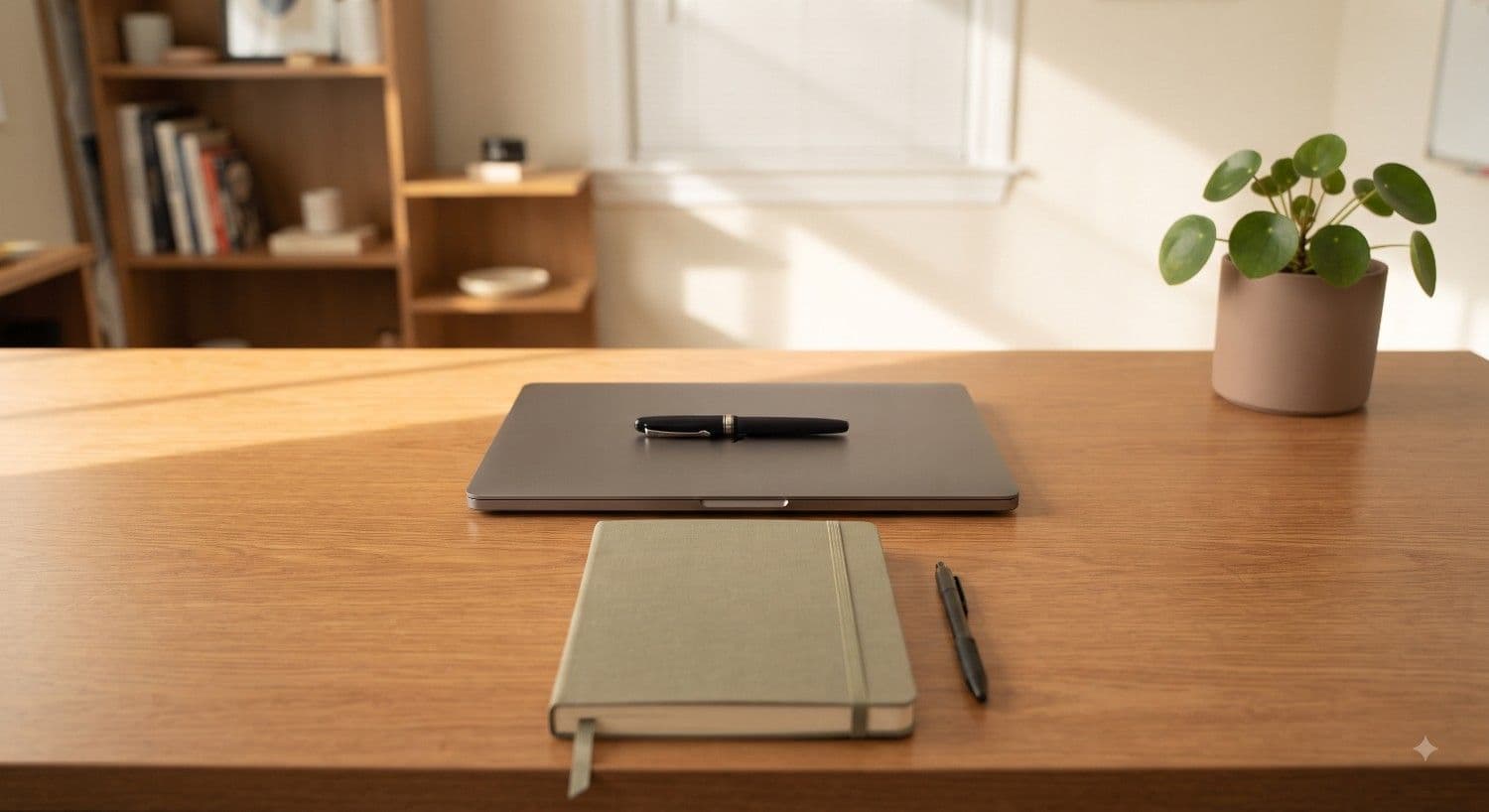
Environment design is the deliberate arrangement of your physical space to make desired behaviours easier and undesired behaviours harder. It operates on three levers:
- Visibility: What you see prompts what you do. Food left visible on the counter is eaten more than food stored in cupboards. A book left open on the table is read more than a book shelved in a bookcase. Running shoes placed by the bed are worn more than running shoes stored in a wardrobe. The principle: make the cue for the behaviour you want impossible to miss, and remove the cues for behaviours you want to reduce.
- Friction: The effort required to initiate a behaviour determines how often it happens. Watching three hours of television every evening isn't always a choice — it's often the path of least resistance. If the television remote requires standing up to reach it, viewing drops significantly. If the phone requires a password after 9pm, mindless scrolling reduces. Conversely: if the running clothes are already laid out, going for a run requires less activation energy. If the dal is already soaked, cooking dinner takes 10 minutes less. Reduce friction for desired behaviours. Increase it for undesired ones.
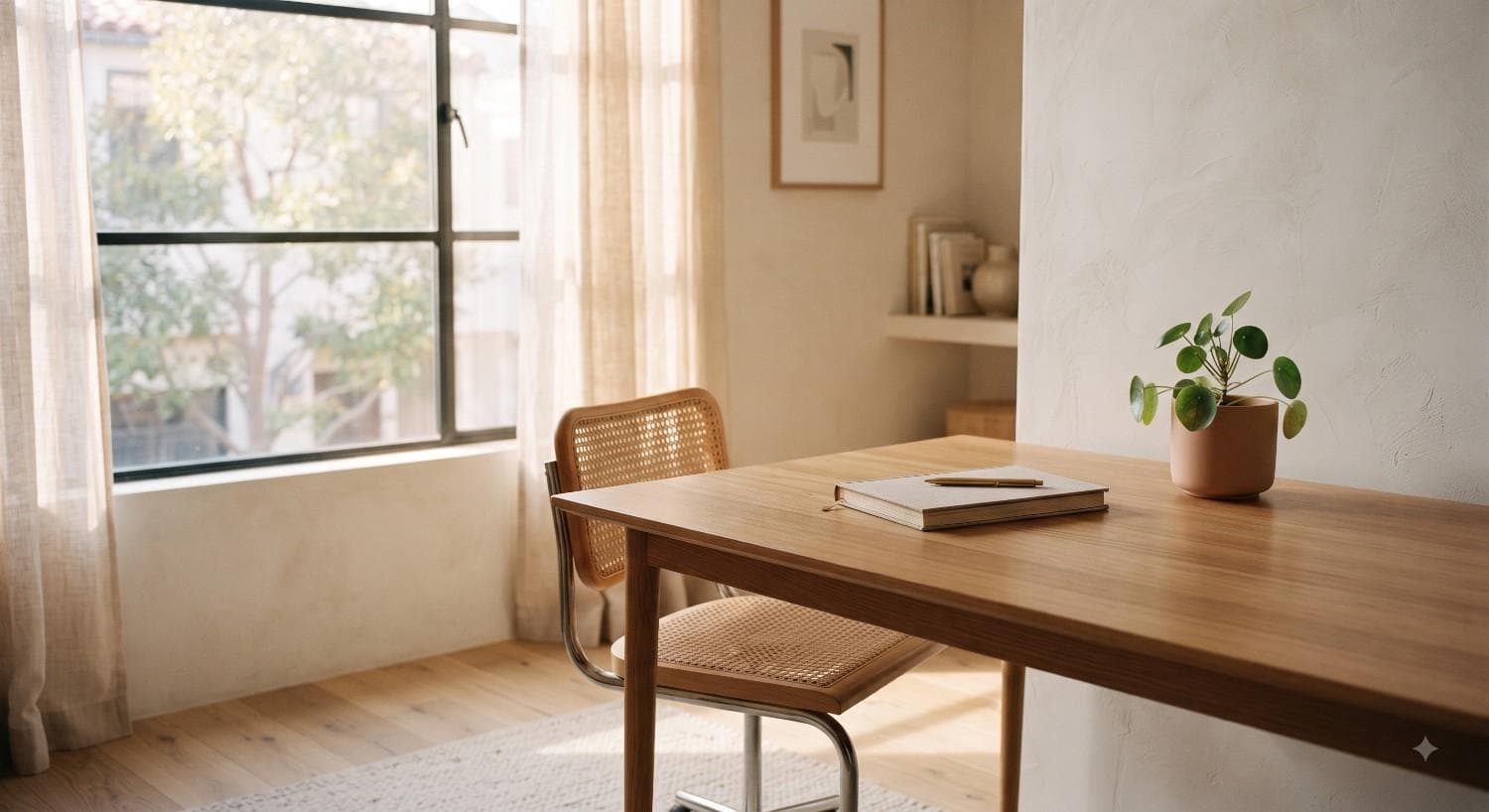
- Context: Different environments trigger different mental modes. Work happens differently at a desk than on a sofa. Eating happens differently at a table than standing in the kitchen. Reading happens differently in a chair dedicated to reading than in a bed associated with sleeping. Dedicated spaces for specific activities strengthen the association between context and behaviour over time — which is why having a specific place for focused work produces better concentration than attempting the same work in a multi-purpose space.
Practical Environment Design for Each Area of Life
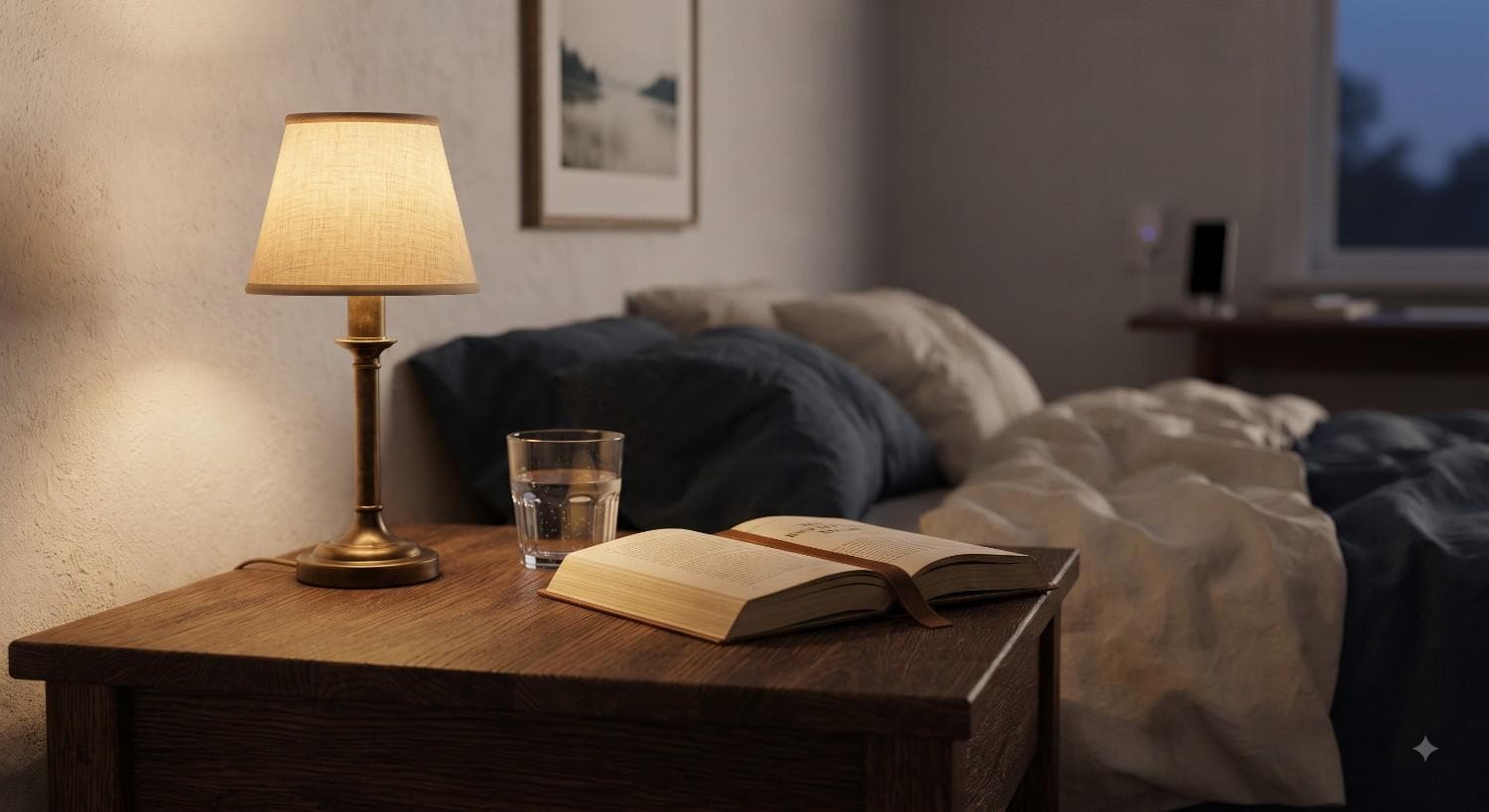
- For better sleep: Remove the phone from the bedroom — or at minimum, place it across the room so it isn't the first and last thing you interact with. Replace it with a physical alarm clock. Place a glass of water on your bedside table as a morning hydration cue. If you want to read before bed, place the book on your pillow each morning so it's waiting for you in the evening.
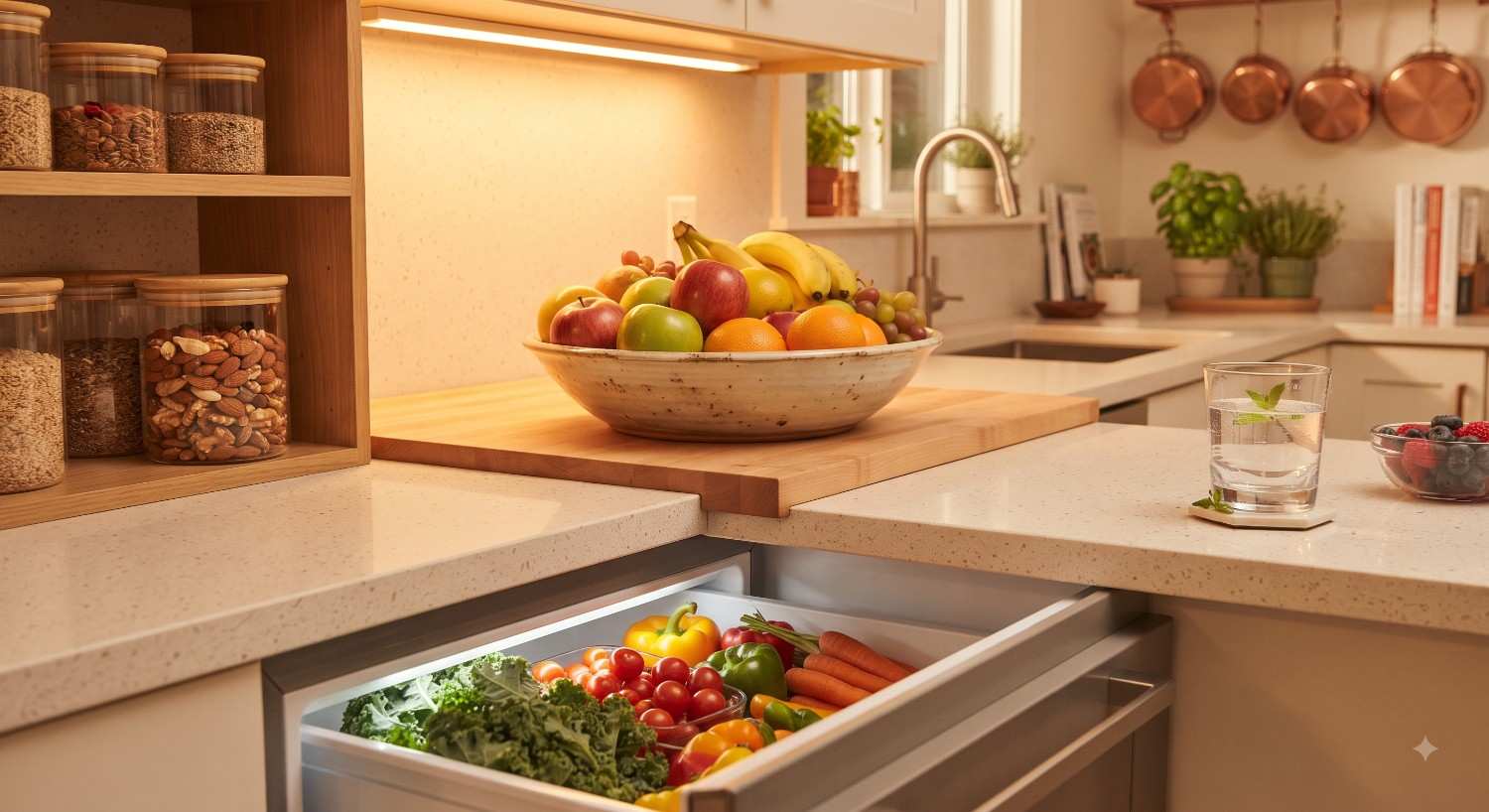
- For better eating: As explored in our cooking at home guide, the pantry is infrastructure. A pantry stocked with dal, eggs, whole grains, and natural cooking oil makes good cooking the default. A fridge with batch-cooked dal ready to reheat removes the friction from eating well on a weekday evening. Remove processed snacks from visible surfaces — if they require effort to access, they're consumed significantly less.
- For better focus: Create a physical work environment where distraction requires active effort. Phone in a different room or in a drawer. Notifications off at the system level. A single dedicated surface for focused work, kept clear of everything unrelated to the current task. The principle: every object on your desk that isn't related to your current task is a potential distraction trigger. A clear desk isn't aesthetic — it's functional.
- For better movement: Place your walking shoes next to the door rather than in the wardrobe. Put your yoga mat in a visible place rather than rolled up in a corner. Set your gym clothes out the night before. The physical presence of equipment is a behaviour cue — when you see it, the associated behaviour becomes more likely. When it's out of sight, it requires an additional mental step to initiate.
- For better dressing: As explored in our wardrobe guides, a coherent, organised wardrobe with space between garments is a morning environment that makes confident dressing easy. A cluttered wardrobe is a morning environment that makes confident dressing hard. The clothes you lay out the night before remove a morning decision entirely. The environment of your morning dressing space directly determines the quality of that experience.
The Default Principle
The most powerful concept in environment design is the default. In any situation, the behaviour that requires the least effort becomes the default — the thing that happens automatically when no conscious decision overrides it.
Most people's default environments were not consciously designed. They evolved through convenience, habit, and the path of least resistance. A phone on the bedside table is a default. Processed food on the kitchen counter is a default. Television as evening wind-down is a default. None of these were actively chosen — they simply became the arrangement through inertia.
Intentional environment design means examining these defaults and replacing them with ones that serve your actual goals. The question isn't "what do I want to do?" — it's "what does my environment make easy?"
Starting Small
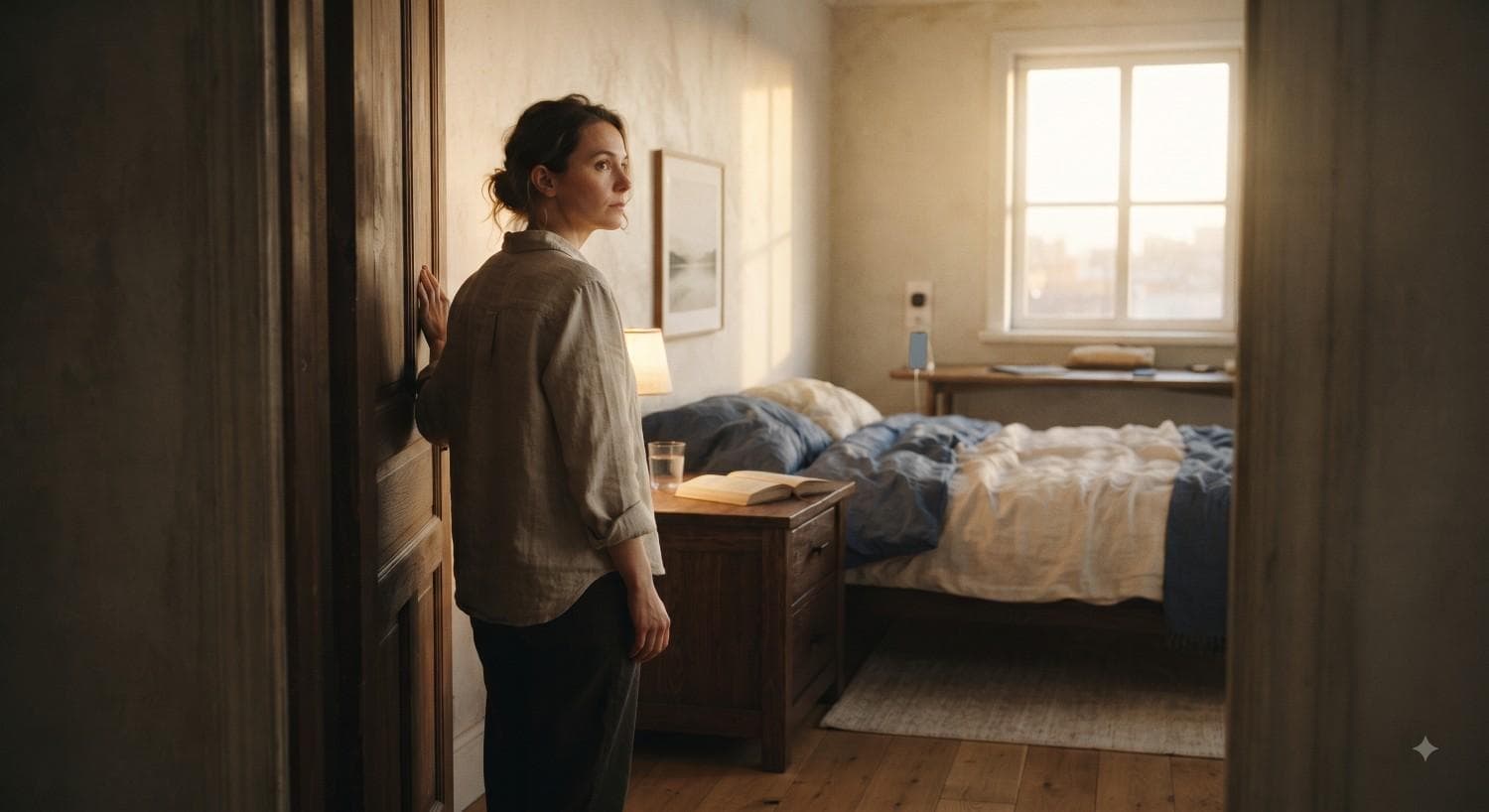
- If you want to drink warm water first thing in the morning: place a glass and a small thermos on your bedside table tonight. Tomorrow morning, the water is there. The behaviour requires no decision.
- If you want to read more: place a book on your pillow each morning. Each evening, it's waiting.
- If you want to spend less time on your phone after dinner: plug it in across the room at 9pm. The friction of getting up to check it is usually enough to redirect attention to something better.
- If you want to eat better at work: pack your lunch the night before and put it in the fridge where you'll see it when you make your morning chai. The decision is already made before the day's demands arrive.
One change. One default shifted. The behaviour follows without effort.
“Disclaimer: This content was created with AI assistance and reviewed before publication. It is for informational purposes only and not professional medical, nutritional, legal, or financial advice ”